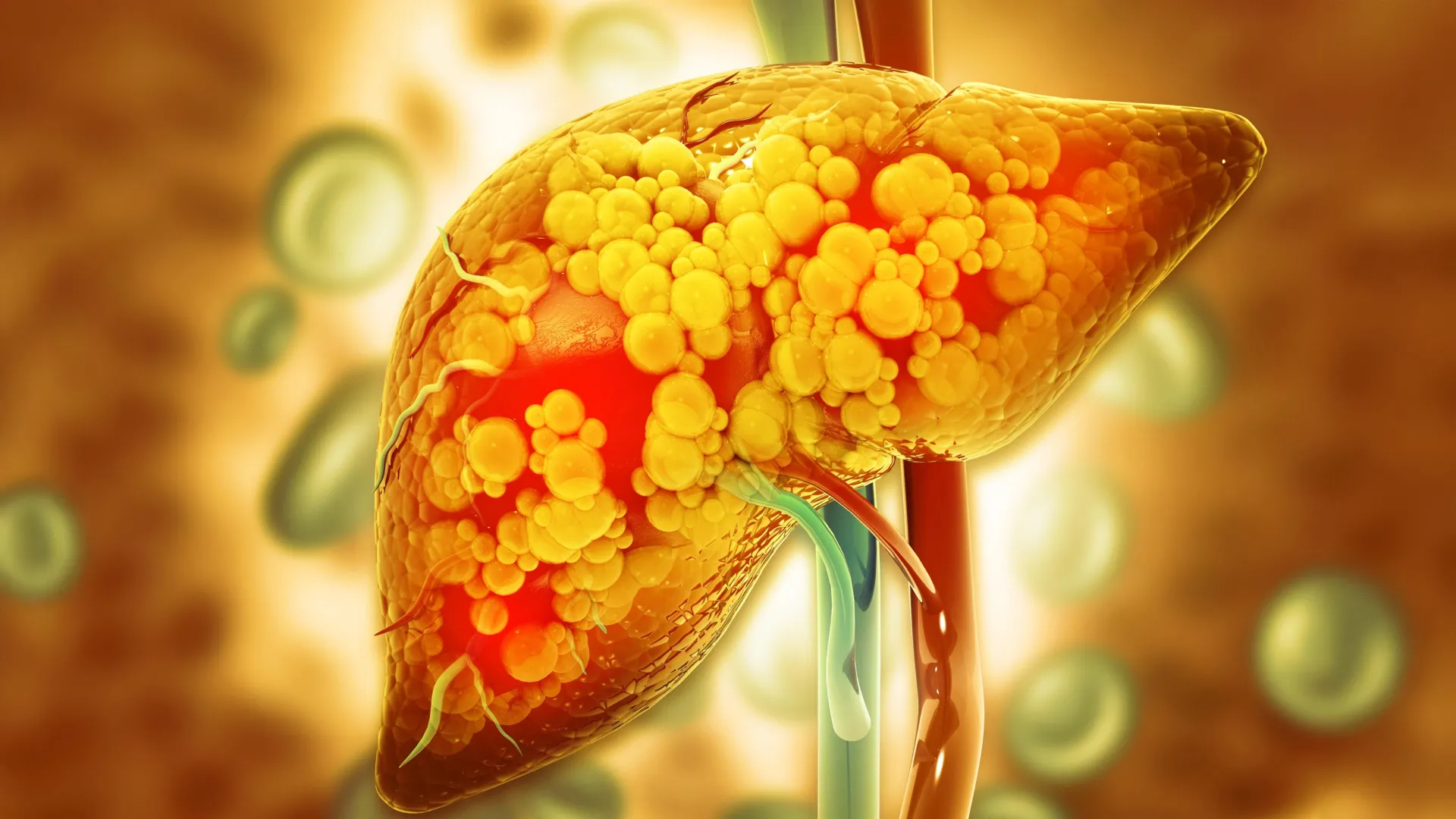
The Hidden Link Between Alcohol, Protein Recycling, and Fatty Liver Disease: A Mayo Clinic Breakthrough
Fatty liver disease, now clinically termed Metabolic Dysfunction Associated Steatotic Liver Disease (MASLD), is a silent epidemic affecting over a third of the U.S. population. Beyond its association with metabolic syndrome and conditions like type 2 diabetes, MASLD carries the alarming potential to progress to liver cancer. While often linked to obesity and diet,the role of alcohol – even moderate consumption – is increasingly recognized as a notable contributor. Now, groundbreaking research from Mayo Clinic scientists has illuminated how excessive alcohol intake disrupts a critical cellular process, directly fueling the growth of this widespread disease.
This isn’t simply about the liver’s well-known role in processing alcohol; it’s about a basic breakdown in the organ’s ability to maintain cellular health at a microscopic level. the discovery centers around a vital enzyme,valosin-containing protein (VCP),and its surprising connection to fat accumulation within liver cells.
The Liver: A Cellular Recycling Powerhouse
To understand the significance of this finding, it’s crucial to appreciate the liver’s complex function. Frequently enough described as the body’s primary filter, the liver doesn’t just detoxify; it’s a dynamic hub of protein synthesis, degradation, and - crucially - recycling. Liver cells, known as hepatocytes, are constantly working to process everything absorbed from the digestive system.
Fats, for exmaple, are absorbed from the gut and initially stored within hepatocytes as lipid droplets. These droplets aren’t inherently harmful; they serve as an energy reserve, notably during fasting. However, when lipid droplets proliferate unchecked, they overwhelm the cell, leading to the hallmark characteristic of fatty liver disease: excessive fat accumulation.
The key to preventing this overload lies in the liver’s efficient recycling system. This is were VCP enters the picture.
VCP: The Cellular Cleanup Crew
Valosin-containing protein (VCP) is a ubiquitous enzyme found in cells throughout the body, but its role in liver health is now understood to be particularly critical. VCP is responsible for identifying and removing damaged or unwanted proteins, ensuring cellular machinery runs smoothly.
The Mayo Clinic research, published in the Journal of Cell biology, revealed a previously unkown function of VCP: its direct interaction with a protein called HSD17β13, located on the surface of lipid droplets.
“We were surprised to see VCP actively removing HSD17β13 from the surface of the lipid droplet,” explains Dr.Mark McNiven, Ph.D., senior author of the study. “When HSD17β13 accumulates, the fat content within liver cells balloons, significantly contributing to the development of fatty liver disease.”
In a healthy liver, VCP acts as a gatekeeper, preventing the buildup of HSD17β13 and maintaining a healthy balance of fat storage.Though, the research team discovered that excessive alcohol consumption disrupts this delicate process.
alcohol’s Disruptive Influence: Shutting Down the Recycling System
The study demonstrated that exposure to excessive alcohol dramatically reduces the presence of VCP on the surface of lipid droplets. Essentially, alcohol disables the cellular cleanup crew. Without VCP to remove it, HSD17β13 accumulates, triggering a cascade of events that leads to excessive fat storage and the progression of fatty liver disease.
Dr. Sandhya Sen, ph.D., a Mayo Clinic research fellow and lead author, describes the team’s astonishment at witnessing the intricate recycling mechanism in action. “We observed VCP working in concert with a chaperone protein to deliver damaged proteins to lysosomes – cellular organelles responsible for breaking down waste. It was astounding.We repeated the experiments multiple times, and the results consistently showed VCP directing HSD17β13 from the lipid droplet to the lysosome for degradation.”
Implications for Treatment and Prevention
This discovery isn’t just a deeper understanding of the disease process; it opens new avenues for therapeutic intervention. Identifying HSD17β13 as a key player in fatty liver disease progression positions it as a potential target for novel therapies designed to prevent or reverse the condition.
“This study significantly enhances our understanding of lipid droplet biology – the central culprit in fatty liver – and how hepatocytes work to reduce fat content,” says Dr. McNiven. “It also provides a potential biomarker to predict which individuals are most vulnerable to the detrimental effects of alcohol on their liver, based on the functionality of this cellular system.”
A Proactive Approach to Liver Health: The Precure Initiative
This research is part of Mayo Clinic’s broader Precure initiative,a forward-thinking program focused on predicting and intercepting disease processes before they become established or progress to complex,