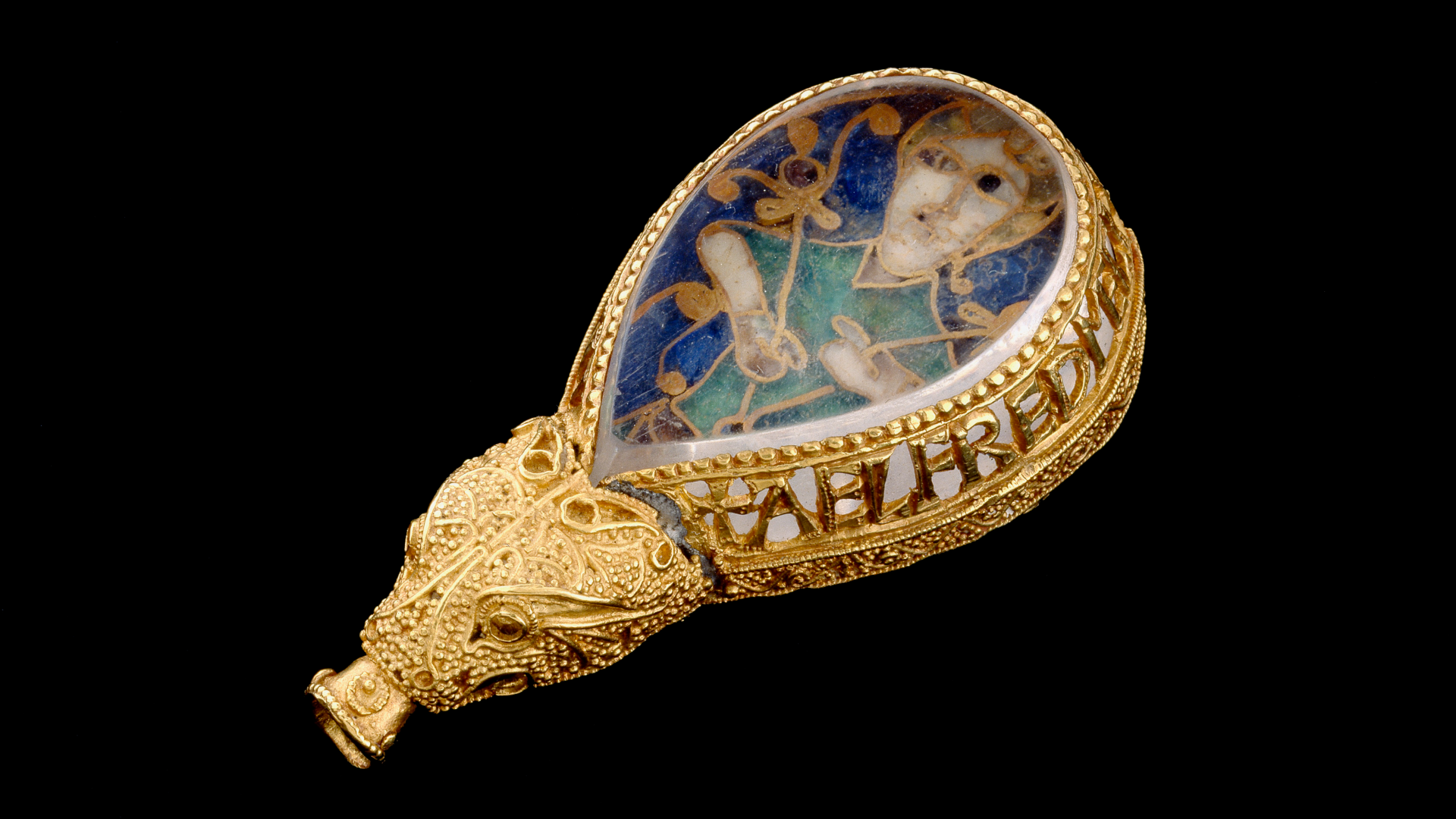
The Alfred Jewel: A Glimpse into Anglo-Saxon Literacy and Royal Power
The Alfred Jewel, a breathtakingly intricate artifact housed in the Ashmolean Museum, offers a fascinating window into 9th-century Anglo-Saxon England. It’s more than just a gorgeous object; it represents a pivotal moment in English history and a surprisingly sophisticated approach to reading.
This remarkable piece is believed to be the intricately crafted end of an aestel. Essentially,an aestel functioned as a type of bookmark or pointer,helping readers keep their place within manuscripts. Imagine needing a physical guide while navigating the complexities of early texts - that’s precisely what the aestel provided.
Unveiling the Jewel’s Secrets
Experts have meticulously studied the Alfred Jewel, revealing clues about its original function and significance.A cylindrical socket at the base, resembling the mouth of a dragon or snake, strongly suggests this is where the pointer itself would have been attached.
The jewel’s discovery location further deepens its ancient context. It was unearthed near Athelney Abbey,a modest fortification that played a crucial role in the life of King Alfred the Great.
Alfred the Great and Athelney’s Significance
Alfred sought refuge at Athelney for several months while evading Danish Viking invasions. He strategically used this period to regroup and ultimately launched a successful counter-attack in 878. This victory was instrumental in expanding his influence across southern England.
following his triumph, Alfred didn’t simply claim victory. He returned to Athelney to establish a monastery and appoint its first abbot,demonstrating his commitment to both military strength and religious devotion.
A Royal Relic and Symbol of Literacy
Due to its direct association wiht England’s first king, the Alfred Jewel is considered one of the most vital royal relics in existence. It speaks volumes about Alfred’s dedication to literacy and learning during a turbulent period.
Consider this: Alfred actively promoted the translation of important texts into Old English, making knowledge more accessible to his people. The aestel, and the jewel adorning it, likely played a role in this wider effort to foster literacy.
Why the Alfred Jewel Matters Today
The alfred Jewel isn’t just a historical curiosity. It’s a tangible link to a formative period in English history, a testament to the power of knowledge, and a stunning example of Anglo-Saxon craftsmanship.
* It highlights the importance of literacy: Even in a time of war, Alfred prioritized education and the preservation of knowledge.
* It demonstrates sophisticated craftsmanship: The jewel’s intricate design and use of materials showcase the skill of Anglo-Saxon artisans.
* It offers insight into daily life: The aestel provides a glimpse into how people read and interacted with texts centuries ago.
If you’re captivated by remarkable archaeological finds, explore further into the world of astonishing artifacts and uncover more hidden stories from the past.