The power of storytelling, especially in times of crisis, is profoundly moving.A recent episode of PalCast,titled ”You’ll Have To Kill Me,” offers a deeply personal account from Ali Skaik,a writer and English Literature student from gaza City. This conversation, released on january 9, 2026, explores how creative expression becomes a vital lifeline when facing unimaginable hardship. As we navigate an increasingly complex world, understanding the role of Ali Skaik’s experiences and the power of narrative is more critically important than ever.
The Resilience of Storytelling in Gaza
Ali’s reflections center on how literature transformed into a means of survival and truth-telling amidst the ongoing siege. He articulates the profound impact of daily loss, the ever-present fear, and the enduring hope that fuels his writing. I’ve found that, in moments of intense adversity, the act of creating – whether through writing, art, or music – often serves as a powerful form of resistance and healing.
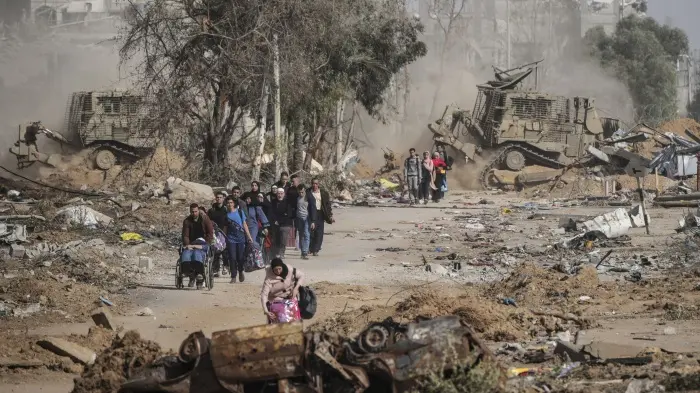
During a conversation with hosts Yousef and Tony, Ali detailed his recent experiences during the escalating conflict. He vividly described the repeated displacements his family endured, the devastating destruction of their home, and the constant, looming threat to their lives. He also illuminated the harsh realities of winter conditions for those displaced,crammed into tents or already overcrowded shelters.
Challenging Perceptions of “Ceasefire”
Ali offered a critical outlook on the term ”ceasefire,” explaining that, in reality, the bombardment and inherent dangers never truly cease. This challenges conventional understandings and prompts you to consider the lived experience of those in conflict zones. It’s a crucial distinction often lost in broader political discourse.
The episode meticulously traces Ali’s journey beginning on October 7th, starting with his family’s forced evacuation from the Al-Jawazat area of Gaza City and the subsequent invasion of the city’s neighborhoods. He recounted harrowing experiences: evacuations conducted under active gunfire, the overwhelming casualties near Al-Shifa hospital, the intentional burning and occupation of homes, and the paralyzing fear of being trapped as tanks advanced. He also spoke of the desperation of starvation, the prevalence of theft, and the systematic erasure of once-thriving communities, punctuated by fleeting moments of safety found in familial unity.
Did You Know? According to a recent report by the UNRWA (December 2025), over 1.7 million people in Gaza are internally displaced, facing critical shortages of food, water, and medical supplies.
The episode concluded during a especially intense night of gunfire and shelling, leaving Ali’s story unfinished and promising continuation in a future release. Ali’s work has been featured in prominent publications including We Are not Numbers, The Nation, The electronic intifada, and The Intercept, demonstrating the growing recognition of Palestinian voices in international media.
You can now listen to this powerful conversation on Apple Podcasts and Spotify.
Pro Tip: Supporting independent journalism and amplifying voices from conflict zones is crucial for fostering understanding and promoting peace. Share this episode with your network and encourage others to listen.
The Importance of Bearing Witness
Stories like Ali’s are vital as they humanize experiences frequently enough reduced to statistics and political headlines. They remind us of the individual lives impacted by conflict and the enduring power of the human spirit. I believe that actively seeking out and listening to thes narratives is a responsibility we all share.
The ability to find solace and purpose in literature, even amidst chaos, is a testament to the resilience of the human mind. Ali’s journey highlights the importance of preserving cultural expression as a form of resistance and a beacon of hope. this is a powerful example of how storytelling can transcend boundaries and connect us all.
Ultimately, this episode serves as a poignant reminder of the human cost of conflict and the enduring need for peace and justice. It’s a call to action – to listen, to learn, and to advocate for a more equitable and compassionate world. The power of personal narratives like Ali’s is undeniable, and their impact can ripple outwards, fostering empathy and driving positive change.
As we move forward in 2026, let us prioritize amplifying voices from marginalized communities and supporting initiatives that promote understanding and peace. The story of Ali Skaik and