Navigating the New Entry/Exit System (EES) in Spain: A Extensive Guide for Travelers
The landscape of travel to Europe is changing. A new system, the Entry/Exit System (EES), is being rolled out across much of the continent, impacting how non-EU citizens enter and exit the Schengen Area. This guide provides a detailed overview of what you need to know, particularly if you’re planning a trip to Spain.
What is the Entry/Exit System (EES)?
Essentially, EES is an automated IT system that registers travelers from non-EU countries each time they cross an external Schengen border. It’s designed to enhance security and streamline border management by replacing traditional passport stamps with digital records. The implementation began on October 12th and will continue through April 10th, 2026.
Which Countries are Affected?
The EES applies to 29 European countries within the Schengen Area. This includes all European Union nations except Cyprus and Ireland,plus Norway,Switzerland,Iceland,and Liechtenstein. If you are traveling to any of these countries as a non-EU citizen, you will be subject to the new procedures.
What Does This Mean for You?
For travelers from outside the EU, EES means more thorough checks upon arrival and departure. You can expect to have your:
* Full name and nationality recorded.
* Date of birth and passport number documented.
* Facial image captured.
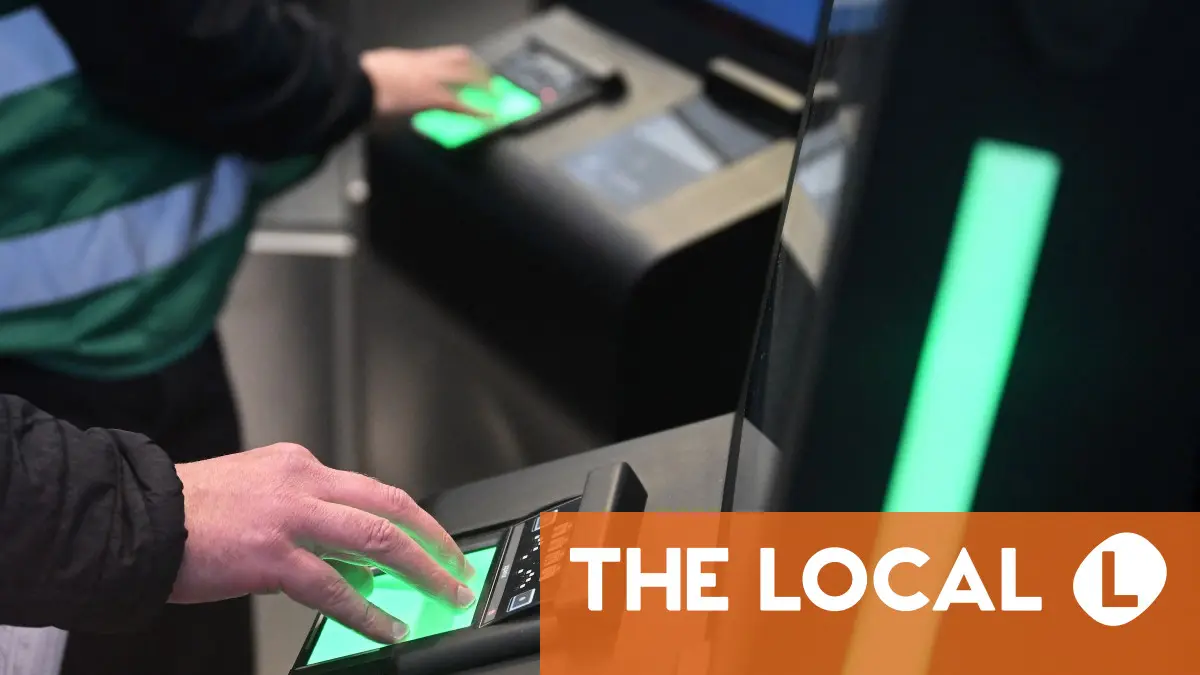
* Fingerprints taken.
* Date,time,and location of entry and exit logged.
Any instances of refused entry will also be recorded. Once fully implemented, physical passport stamps will be phased out.
Spain’s Phased Implementation
Spain is actively implementing EES across its major airports. Here’s a current look at the rollout:
* Madrid Barajas Airport: Began trialing the system on October 12th.
* seville, Tenerife North, and Burgos Airports: Followed suit shortly after.
* Málaga Airport: Started testing on October 12th.
* Barcelona Airport: Added to the system on October 27th.
* Gran Canaria Airport: Joined the rollout on October 29th.
* Mallorca airport: Scheduled to begin EES checks on November 19th.
Notably, Alicante-Elche Airport is preparing for a meaningful influx of travelers, particularly from the UK. The airport is constructing a new arrivals area specifically for non-Schengen flights to accommodate the increased processing demands. In 2024 alone, over 6.12 million British passengers traveled through Alicante, highlighting the need for expanded infrastructure.
Important Considerations for Residents in Spain
if you are a non-EU citizen with legal residency in Spain, you are exempt from registering for EES. However, you will still need to use the designated third-country national queues when arriving from outside the Schengen Area.
Why is EES Being Implemented?
the primary goals of EES are to:
* Enhance Border Security: By tracking entry and exit data, authorities can better monitor who is entering and leaving the Schengen area.
* Reduce Irregular Immigration: The system helps identify individuals who may have overstayed their permitted time.
* improve Travel Flow: while initial implementation may cause delays, the long-term aim is to streamline border crossings through automation.
Preparing for Your Trip
To ensure a smooth travel experiance, consider these steps:
* Ensure your passport is valid: It must meet the Schengen Area’s requirements.
* Be prepared for biometric data collection: Understand that your fingerprints and facial image will be taken.
* Allow extra time at the border: The initial implementation phase may result in longer queues.
* Stay informed: Check for updates from official sources before your travel date.
EES represents a significant shift in European travel procedures. By understanding the changes and preparing accordingly, you can navigate the new system with confidence and enjoy your trip to Spain and the Schengen Area.
Resources:
* [https[https[https[https