
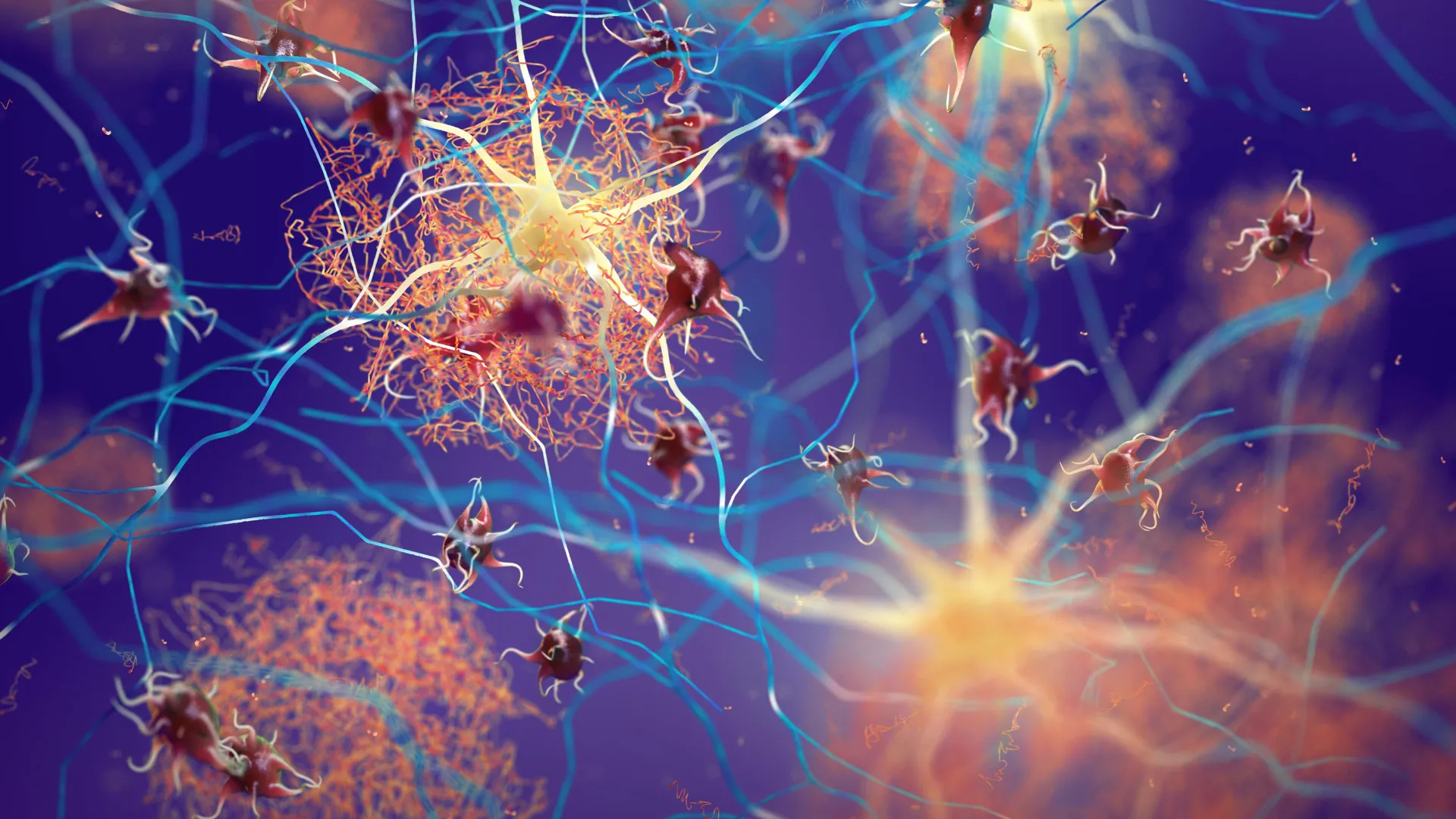
Astrocytes Hold Key to Alzheimer’s Treatment: Boosting Cellular Cleanup May Slow Cognitive Decline
Alzheimer’s disease, a devastating neurodegenerative condition affecting millions worldwide, remains a notable challenge for modern medicine. While current research largely focuses on neurons adn preventing amyloid plaque formation, a groundbreaking study from Baylor College of Medicine suggests a new therapeutic avenue: harnessing the natural cleaning power of astrocytes, star-shaped glial cells crucial for brain health. This research, published recently, identifies Sox9, a key protein regulator, as a potential target for slowing cognitive decline and improving plaque removal in Alzheimer’s disease.
The Aging Brain & Astrocytes: A Critical Connection
Astrocytes are far more than just supportive cells in the brain. They play a vital role in brain communication, memory formation, and maintaining a healthy neural environment. As we age, however, astrocytes undergo significant functional changes. Understanding how these changes contribute to age-related cognitive decline and neurodegenerative diseases like Alzheimer’s has been a long-standing puzzle.
“Astrocytes perform diverse tasks that are essential for normal brain function,” explains Dr. Dong-Joo Choi, lead author of the study and now an Assistant Professor at the University of Texas Health Science Center at Houston. “As the brain ages, these cells show profound functional alterations, and deciphering their role in disease progression is critical.”
Sox9: A Master Regulator of Astrocytic Function
The Baylor team focused their inquiry on Sox9, a protein known to influence a broad network of genes involved in astrocyte aging. Their hypothesis: manipulating Sox9 expression could impact astrocyte function and,consequently,the progression of Alzheimer’s disease.
“We manipulated the expression of the Sox9 gene to assess its role in maintaining astrocyte function in the aging brain and in Alzheimer’s disease models,” clarifies Dr.Benjamin Deneen, Professor and Director of the Center for Cancer Neuroscience at Baylor. This approach is particularly significant as the researchers utilized mouse models already exhibiting cognitive impairment and amyloid plaque buildup – mirroring the condition of manny Alzheimer’s patients seeking treatment. This contrasts with many preclinical studies that begin interventions before the onset of pathology, perhaps offering a more clinically relevant insight.
Boosting Sox9: A Powerful Impact on Plaque Clearance & Memory
The results were compelling. Researchers found that reducing Sox9 levels accelerated plaque buildup, diminished the structural complexity of astrocytes, and impaired their ability to clear amyloid plaques. conversely,increasing Sox9 expression had a protective effect.
“We found that increasing Sox9 expression triggered astrocytes to ingest more amyloid plaques,clearing them from the brain like a vacuum cleaner,” Dr. Deneen explains. This enhanced activity not only led to improved plaque removal but also preserved cognitive performance in the tested mice, as demonstrated by their improved ability to recognize familiar objects and locations over a six-month period.
The study’s findings suggest that bolstering astrocyte engagement could be a powerful strategy for slowing the cognitive decline associated with Alzheimer’s and other neurodegenerative diseases. This represents a paradigm shift, moving beyond solely targeting neurons or plaque formation to actively leveraging the brain’s inherent cleanup mechanisms.
Implications for Future Alzheimer’s Therapies
This research offers a promising new direction for Alzheimer’s treatment. While the study was conducted in mouse models, the implications for human therapy are significant. The focus now shifts to understanding how Sox9 functions in the human brain throughout the aging process and identifying potential strategies to safely and effectively modulate its expression.
“Additional research is needed to understand how Sox9 behaves in the human brain across time,” acknowledges Dr. Choi. However, the team is optimistic that these findings could pave the way for therapies that harness astrocytes’ natural cleaning abilities to combat neurodegenerative disorders.
Expert Perspective & Ongoing Research
This study represents a significant advancement in our understanding of Alzheimer’s disease. By highlighting the crucial role of astrocytes and identifying Sox9 as a key regulator, the Baylor team has opened up a new avenue for therapeutic intervention. The focus on models with established pathology strengthens the clinical relevance of these findings, offering hope for developing more effective treatments for this devastating disease. Further research will be crucial to translate these promising results into tangible benefits for patients.
study Contributors: Sanjana Murali,Wookbong Kwon,Junsung Woo,Eun-Ah Christine Song,Yeunjung Ko,Debo Sardar,Brittney Lozzi,Yi-Ting Cheng,Michael R. Williamson,Teng-Wei Huang,Kaitlyn Sanchez and Joanna Jankowsky,all at Baylor College of Medicine.
Funding Sources: National Institutes of Health (R35-NS132230, R01-AG071687, R01-CA284455, K01-





