
LONDON – Amazon is implementing a 3.5% fuel and logistics surcharge on sellers utilizing its Fulfillment by Amazon (FBA) service, a move impacting an estimated two million third-party vendors across the United States and Canada. The increase, set to take effect in late April, is a direct response to escalating fuel costs and broader disruptions within the global supply chain, exacerbated by the ongoing conflict in Iran. This decision has sparked concern among businesses relying on Amazon’s fulfillment network, potentially leading to increased costs for consumers.
The surcharge, equivalent to approximately 17 cents per unit, will vary based on the size and dimensions of each product. Amazon stated the increase is a necessary measure to offset rising operational costs, a burden the company had previously absorbed. However, the company maintains that its surcharge is lower than those imposed by other major shipping carriers. “Rising fuel and logistics costs have increased costs across the industry,” a company spokesperson explained, as reported by CNBC. “We absorbed these increases for as long as possible, but like other large carriers, we are implementing a temporary fuel and logistics surcharge to offset these costs.”
Geopolitical Factors Driving Up Costs
The primary driver behind Amazon’s decision is the significant increase in oil prices stemming from the conflict in Iran. The war, now entering its fifth week as of April 2nd, 2026, has created substantial instability in the region, impacting global energy markets. Banker.news reports that the situation has led to a surge in energy prices, directly affecting transportation and logistics expenses. This isn’t an isolated incident; the ripple effects of geopolitical instability are increasingly being felt across the e-commerce landscape.
The impact extends beyond just fuel costs. Disruptions to supply chains, increased insurance premiums for shipping, and potential delays in transit all contribute to the rising costs Amazon is facing. The company’s FBA service, which handles the storage, packing, and shipping of products for third-party sellers, is particularly vulnerable to these fluctuations. The decision to pass on some of these costs to sellers reflects a broader trend within the industry, as logistics providers grapple with an increasingly volatile global environment.
Impact on Sellers and Consumers
The 3.5% surcharge is expected to disproportionately affect small and medium-sized businesses (SMBs) that rely heavily on FBA to reach customers. For these sellers, absorbing the additional cost may be challenging, potentially forcing them to raise prices or accept reduced profit margins. According to موقع 24, the move is already being described as a “shock” to shoppers.
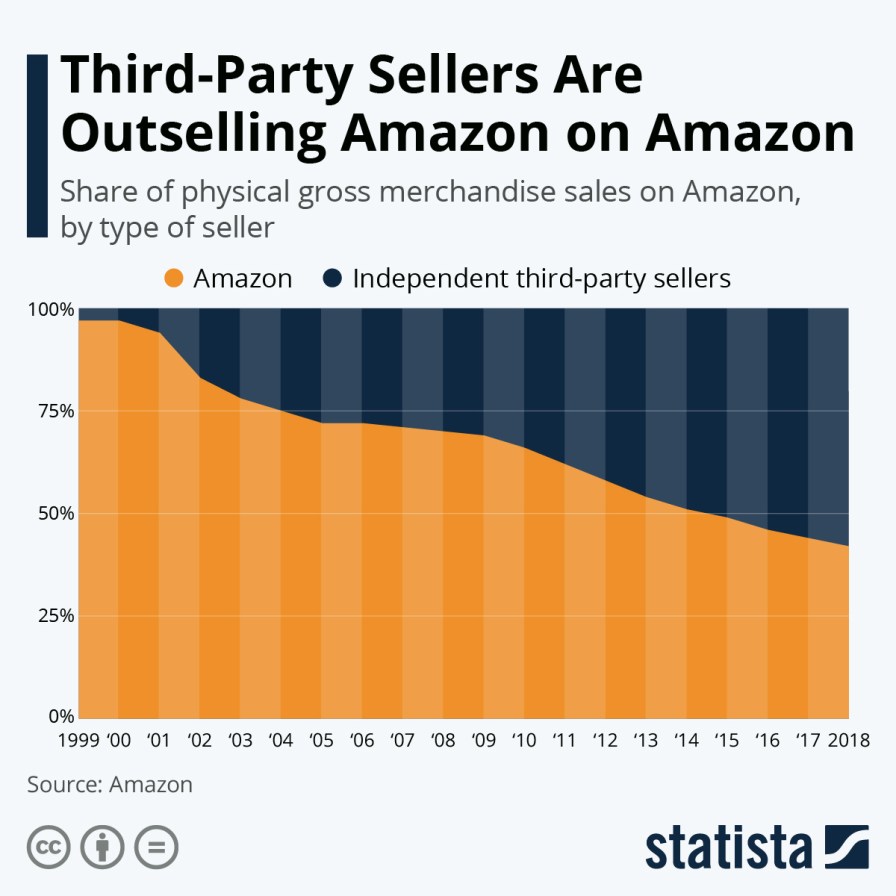
While Amazon asserts that the surcharge is lower than those levied by other major carriers, the cumulative effect of rising costs across the logistics network could still translate to higher prices for consumers. The extent to which these costs are passed on will likely depend on the competitive landscape and the pricing strategies of individual sellers. Some sellers may choose to absorb the surcharge to maintain market share, while others may be forced to increase prices to protect their profitability.
Amazon’s Statement and Justification
Amazon has emphasized its commitment to supporting its seller partners and maintaining competitive pricing for customers. In a statement released alongside the announcement, the company explained that it had absorbed rising costs for as long as possible. However, with fuel and logistics expenses continuing to climb, a temporary surcharge became necessary. The company also highlighted its dedication to providing a diverse range of products at affordable prices.
Ashley Vanic, an Amazon spokesperson, stated, as reported by Banker.news, “These fresh fees are significantly lower than those imposed by other competing carriers.” This suggests Amazon is positioning itself as a more cost-effective option for sellers, despite the surcharge. However, the long-term impact of the surcharge on seller behavior and consumer spending remains to be seen.
Broader Trends in E-Commerce Logistics
Amazon’s decision is part of a larger trend of rising costs and disruptions in the e-commerce logistics sector. The COVID-19 pandemic exposed vulnerabilities in global supply chains, leading to increased demand for shipping services and a shortage of capacity. This, coupled with rising fuel prices and geopolitical instability, has created a challenging environment for logistics providers.
Other major carriers, such as FedEx and UPS, have also implemented fuel surcharges in recent months. These surcharges are typically adjusted based on fluctuations in oil prices, providing a mechanism for carriers to recover their increased costs. The current situation underscores the importance of resilient supply chains and the need for businesses to diversify their logistics options.
The Role of the Iran Conflict
The ongoing conflict in Iran is a significant factor contributing to the current challenges in the e-commerce logistics sector. The region is a major producer of oil, and disruptions to production or transportation can have a significant impact on global energy markets. The conflict has also raised concerns about potential disruptions to shipping lanes in the Middle East, further exacerbating supply chain challenges.
As the conflict continues, it is likely to exert further pressure on fuel prices and logistics costs. Businesses operating in the e-commerce sector will need to closely monitor the situation and adapt their strategies accordingly. This may involve diversifying their sourcing, optimizing their logistics networks, and exploring alternative transportation options.
Looking Ahead: What to Expect
The Amazon surcharge is scheduled to take effect on April 17th, 2026, according to reports from multiple sources including Banker.news. Sellers are urged to review the new fee structure and adjust their pricing strategies accordingly. The company has indicated that the surcharge is temporary and will be reassessed as market conditions evolve.
However, the underlying factors driving up logistics costs – geopolitical instability, rising fuel prices, and supply chain disruptions – are likely to persist for the foreseeable future. This suggests that the e-commerce sector may need to brace for a period of sustained higher costs. The ability to adapt to these challenges will be crucial for businesses seeking to thrive in the evolving landscape of online retail.
The next key development to watch will be Amazon’s Q2 2026 earnings call, scheduled for July 30th, 2026, where executives are expected to provide further insights into the impact of the surcharge and the company’s overall financial performance. Sellers and investors alike will be closely scrutinizing these results for clues about the future direction of the company and the broader e-commerce industry.
Do you have thoughts on Amazon’s new surcharge? Share your comments below, and be sure to share this article with your network!