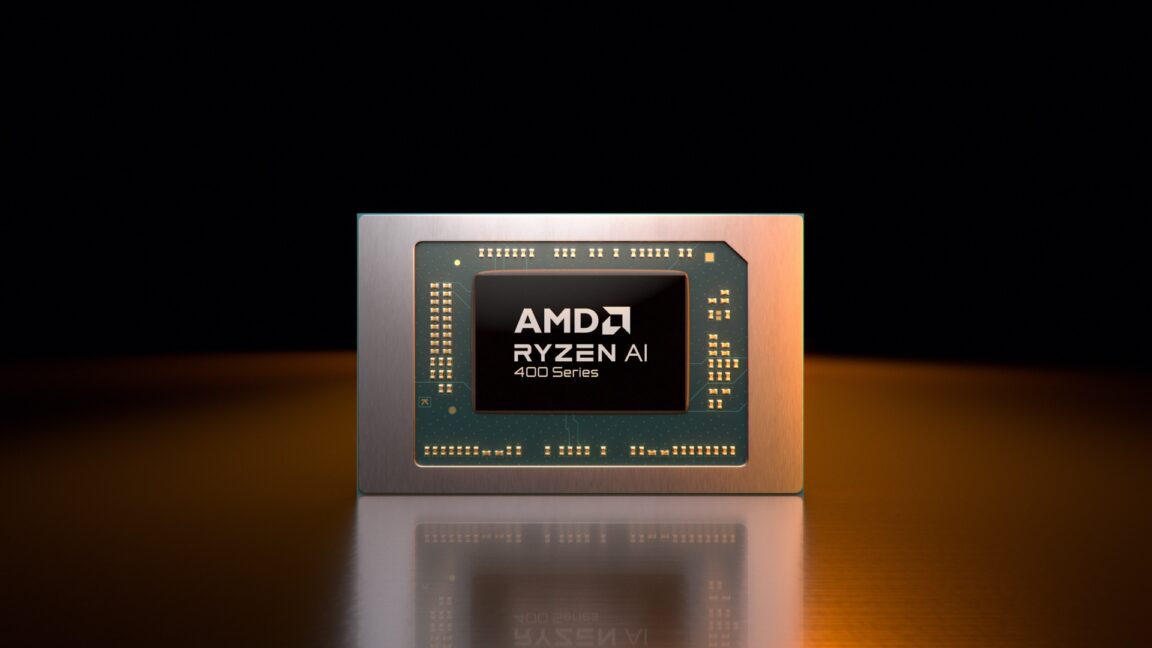
AMD’s Ryzen AI 400 Series: A Deep Dive into the Latest Processors
AMD recently unveiled its Ryzen AI 400 series processors, building upon the foundation laid by the Ryzen AI 300 chips announced earlier this year. These new processors offer incremental improvements, but understanding what’s changed – and what hasn’t – is crucial for making informed decisions about your next laptop.Let’s break down the details.
What’s New in the Ryzen AI 400 Series?
The Ryzen AI 400 series primarily focuses on refining existing technology rather than a complete overhaul. You’ll notice modest clock speed increases and support for faster memory.For example, the Ryzen AI 9 HX 470 now boasts a peak boost clock of 5.2 GHz and LPDDR5x-8533 support, a step up from the Ryzen AI 9 HX 370‘s 5.1 GHz and LPDDR5x-8000.
Furthermore, the integrated neural processing unit (NPU) receives a boost, now capable of 60 trillion operations per second (TOPS) compared to the previous 50 TOPS.This translates to faster and more efficient AI-powered tasks directly on your device.
The Core Architecture Remains Consistent
Despite these improvements,the Ryzen AI 400 chips share the same basic architecture as their predecessors. They utilize a blend of:
* Zen 5 CPU cores: providing high performance for demanding tasks.
* Zen 5c cores: Offering efficiency for everyday workloads.
* RDNA 3 GPU cores: Delivering integrated graphics capabilities, ranging from 4 to 16 cores.
* 4nm TSMC manufacturing process: Ensuring a balance of performance and power efficiency.
A Familiar Pattern from AMD
I’ve found that AMD has employed a similar strategy in the past. The Ryzen 8040-series laptop chips,released late last year,were essentially refinements of the older Ryzen 7040 series. these updates included slightly higher clock speeds and minimal changes to the core architecture.
This approach allows AMD to refresh its product line without requiring a massive redesign, and it often results in compelling value for consumers.
Should You Wait for Ryzen AI 400, or Grab a Ryzen AI 300?
Here’s what works best: if you’re considering a new laptop, don’t automatically dismiss systems featuring the Ryzen AI 300 series. The performance difference between the two generations is relatively small.
If you can find a significant discount on a Ryzen AI 300 system, it’s a perfectly viable option. You won’t be sacrificing much in terms of performance or features. Ultimately,the best choice depends on your budget and specific needs.
Ryzen Pro for Business Users
Alongside the Ryzen AI series, AMD also offers Ryzen Pro chips tailored for business PCs. These processors prioritize security, manageability, and reliability, making them ideal for professional environments. They share many of the same core technologies as the Ryzen AI series but with added features designed to meet the demands of enterprise users.
the Ryzen AI 400 series represents a solid step forward for AMD’s mobile processors. While the changes aren’t revolutionary, they offer a worthwhile upgrade for users seeking the latest in AI performance and efficiency. However, the Ryzen AI 300 series remains a competitive option, especially if you can find it at a discounted price.