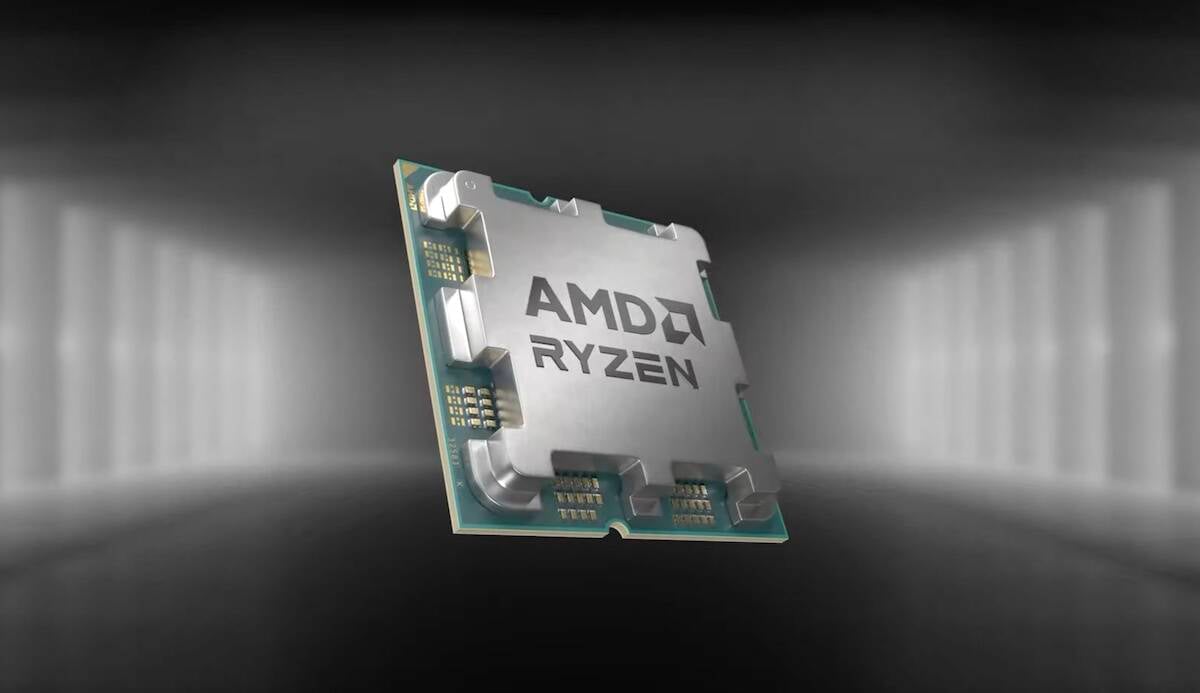
AMD Ryzen AM5 socket Issues: What You Need to Know
Reports of issues with the AMD Ryzen AM5 socket and processor failures are circulating, prompting concern among PC builders. Let’s break down what’s happening, what AMD is saying, and what you can do to protect your investment.
The Core of the Problem
Several users, including a prominent hardware tester, have experienced multiple failures with Ryzen 7000, 8000, and 9000 series processors while using the AM5 socket. These failures aren’t typical, as modern CPUs are designed with safeguards against overheating. Specifically, processors should automatically reduce their clock speed when temperatures get too high.
Though, some users are reporting complete CPU failure, even when temperatures, while elevated, don’t appear to be immediately catastrophic. This has led to speculation about a potential flaw in the AM5 socket itself, or issues with how motherboard manufacturers are implementing the platform.
AMD’s Response: A Nuanced Clarification
AMD acknowledges the reports and is actively investigating. Initially,the company suggested that some failures could be traced back to hardware partners not fully adhering to the recommended specifications for the AM5 platform. This means that some motherboard designs might not be providing optimal power delivery or cooling support.
However, AMD has clarified that this explanation doesn’t necessarily cover all reported cases. They are currently analyzing a specific instance brought to their attention to determine the root cause.I’ve found that a cautious approach is typical when dealing with potentially widespread hardware issues.
What We Know From User Experiences
One experienced system builder has had two Ryzen 9 9950X processors fail within their system. This is highly unusual, as they’ve built PCs for three decades without experiencing similar CPU failures.
The user admits their cooling solution wasn’t ideal, with less-than-optimal case ventilation and a slightly undersized heatsink. They are now rebuilding the system with improved cooling to prevent further issues. This highlights the importance of a robust cooling setup, even with processors designed to protect themselves from overheating.
Protecting Your Ryzen AM5 Build: Key Takeaways
Here’s what you should do to minimize the risk of encountering these issues:
Prioritize Cooling: Invest in a high-quality CPU cooler and ensure excellent case airflow. Don’t skimp on cooling, even if you’re not planning to overclock.
Choose Reputable Motherboard Brands: Select a motherboard from a well-known manufacturer with a strong track record of quality and reliability.
Monitor Temperatures: Regularly monitor your CPU temperatures using software like hwmonitor or Ryzen Master. Pay attention to sustained temperatures under load.
Ensure Proper Power Supply: Confirm your power supply unit (PSU) meets the recommended wattage and has the necessary connectors for your Ryzen processor and motherboard.
Keep an Eye on BIOS Updates: Motherboard manufacturers frequently release BIOS updates that can improve system stability and performance. Stay current with the latest BIOS version.
Consider Ambient Temperature: Remember that ambient room temperature plays a role. A warmer room will impact your CPU’s cooling efficiency.
What’s Next?
AMD is continuing to investigate these reports and is replacing affected CPUs for analysis. The company is committed to understanding the cause of these failures and implementing solutions to prevent them.
As more data becomes available, we’ll update this article. For now, focusing on robust cooling and selecting quality components remains the best course of action for anyone building or owning a Ryzen AM5 system.