Ancient Rituals Reveal Surprisingly Early Origins of Mummification in Southeast Asia
For decades, archaeologists have been piecing together the story of early human migration and cultural practices in Southeast Asia. Recent discoveries are rewriting that narrative,suggesting that deliberate mummification – a practice once thought to be relatively recent – may have roots stretching back over 40,000 years. these findings offer a fascinating glimpse into the beliefs and rituals of our ancestors, and how they honored their dead.
The Unexpected Discovery of Smoked mummies
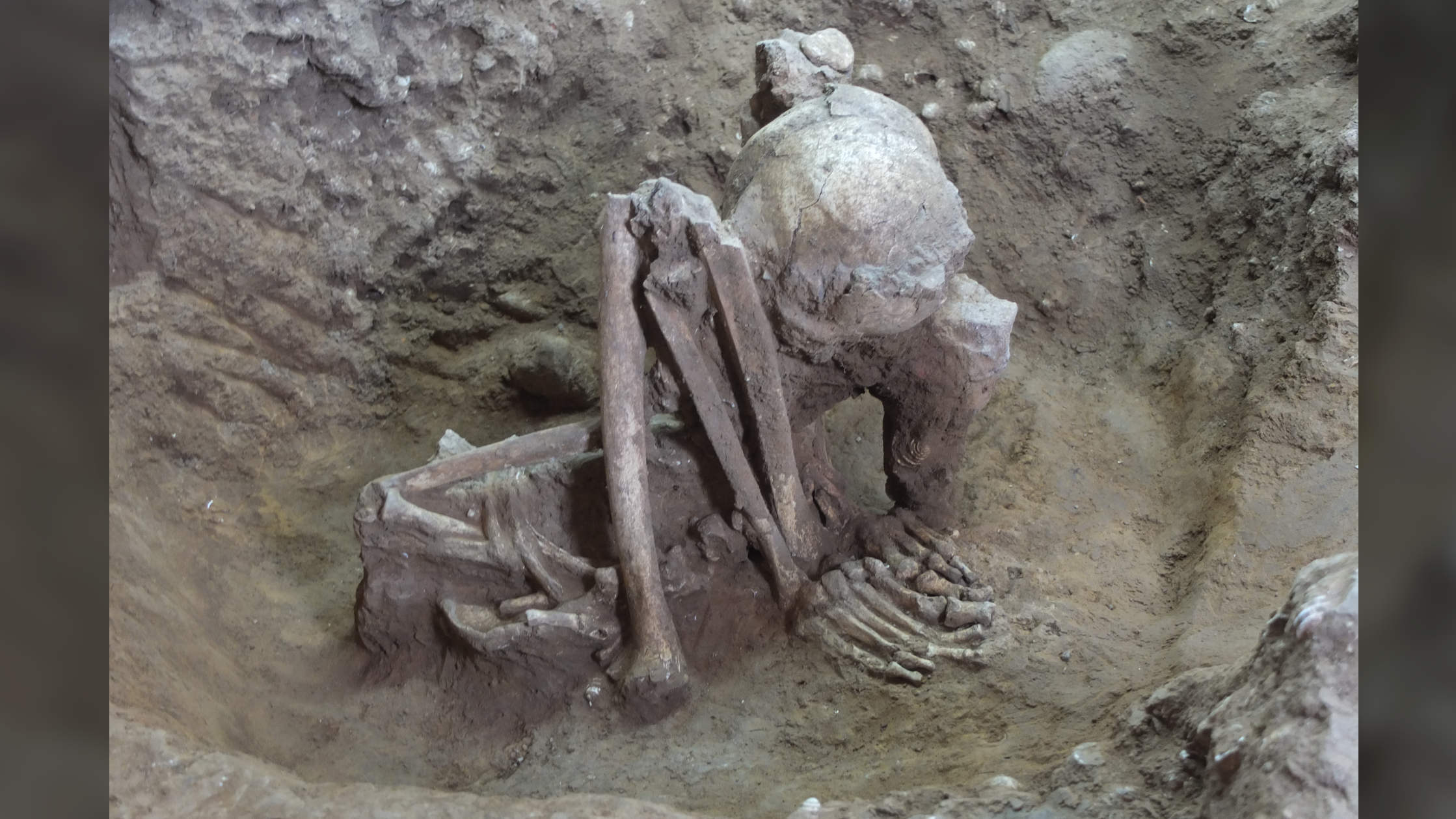
Researchers analyzing remains from a cave in Liang Tebo, Sumatra, Indonesia, uncovered evidence of sophisticated mortuary practices. Initially, the hyperflexed positions of the skeletons were puzzling. However, detailed chemical analysis revealed traces of resin, ochre, and crucially, evidence of smoke exposure. This led to the compelling conclusion that these individuals were intentionally smoked, effectively mummifying their bodies.
it appears the practice wasn’t born from a desire for preservation in the modern sense. Instead, evidence suggests smoking originated as a ritualistic act, potentially stemming from earlier practices of preserving hunted meat. This evolved into a way to maintain a tangible connection with the deceased, allowing ancestors to remain present within the community. As a result,this poignant practice reflects a deep-seated human need for remembrance and devotion.
A Two-Layer Model of Migration Gains Support
These discoveries bolster the “two-layer” model of early migration into Southeast Asia. This theory proposes two distinct waves of human arrival.
* The first wave consisted of hunter-gatherers arriving as early as 65,000 years ago.
* The second wave brought Neolithic farmers around 4,000 years ago, with different burial traditions.
The smoked mummies appear to be linked to the earlier hunter-gatherer population. Interestingly,similar funeral rituals are still practiced today by groups like the Dani and Pumo people,suggesting a remarkable continuity of tradition. Experts believe this continuity points to a direct lineage between these ancient populations and modern-day communities.
Widespread Practice and Deep Roots
The implications of this research extend beyond a single cave in Sumatra. If hyperflexed burials found throughout Southeast Asia can also be identified as smoked mummies, the practice could be far more widespread and ancient than previously understood. This suggests smoked mummification may have originated during the initial expansion of Homo sapiens out of Africa.
Specifically, the evidence indicates this practice could date back as far as 42,000 years ago. This timeline highlights a ”deep and enduring biological and cultural continuity” across the region. You can see how these early practices shaped the cultural landscape of southeast Asia for millennia.
Are you curious to test your knowledge of the Stone Age? Take our Stone Age quiz and see what you’ve learned about the Paleolithic, Mesolithic, and Neolithic periods!
this research underscores the power of archaeological investigation to reveal surprising insights into our past. It reminds us that even seemingly simple practices like smoking can hold profound cultural and historical significance. As we continue to uncover and analyze ancient remains, we’ll undoubtedly gain a deeper understanding of the complex lives and beliefs of our ancestors.