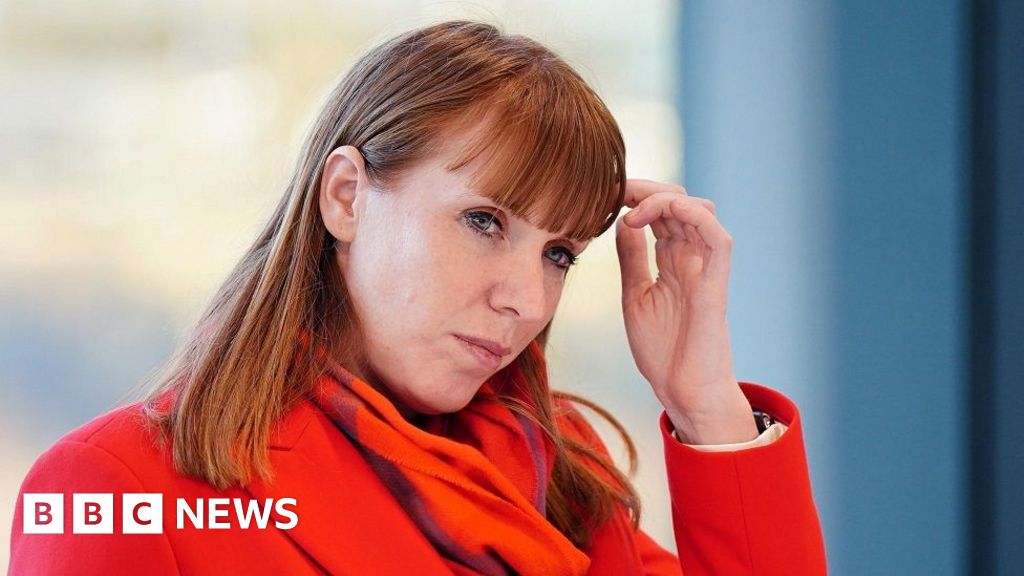
Rayner Property Purchase: Navigating Tax Implications and Legal Duty
The recent scrutiny surrounding Angela Rayner’s 2010 property purchase in Hove, and the subsequent tax implications, highlights a critical point for all property buyers: understanding the scope of your legal advice. This isn’t just a political story; its a cautionary tale about due diligence and the potential pitfalls of overlooking complex financial arrangements.
The core of the issue revolves around whether Rayner received adequate legal counsel regarding the tax implications of purchasing the property while together being a beneficiary of a family trust related to her primary residence. Let’s break down the key elements and what this means for you.
The Crucial Role of Legal Advice
When buying a property, many people assume a conveyancer handles everything. However, a standard conveyancer focuses primarily on the transfer of ownership – the legal mechanics of the sale. They typically don’t delve into complex tax planning.
conveyancing vs. Tax Advice: A conveyancer’s role is to ensure a smooth property transfer. Tax advice requires specialized expertise.
the “Do You Own Other Properties?” Question: According to James Quarmby, head of private wealth at Stephenson Harwood, a common question from conveyancers is deceptively simple. A “no” answer, without disclosing the trust arrangement, could be problematic.
Standard Contract Disclaimers: Property lawyers routinely include clauses stating they don’t provide tax advice. This protects them, but places the onus on you to seek appropriate counsel.
What Happens If You Don’t disclose Everything?
The potential consequences for Rayner – and for anyone in a similar situation – are notable. HMRC (Her Majesty’s Revenue and Customs) is likely to investigate the advice she received and the facts she provided to her lawyer.
Here’s what HMRC will likely consider:
- Reasonableness of Reliance: Simply relying on advice isn’t a get-out-of-jail-free card. The advice must be reasonable given your circumstances.
- Obvious Errors: If the advice was “obviously wrong,” you may still be held responsible.
- Carelessness: HMRC will assess whether you were careless in your approach to the purchase and tax obligations.This is the standard that led to a substantial penalty for Nadhim Zahawi.
The Trust Factor: A Key Omission?
A central question is whether Rayner informed her legal representatives about the trust and its connection to her family home. Experts emphasize the importance of full disclosure.
Complex Affairs Demand Specialists: If you have trusts, multiple properties, or other elaborate financial arrangements, you need to consult a tax advisor in addition to a conveyancer.
Sophistication and Disclosure: As tax expert Alex Neidle points out, even a “normal person with any sophistication” should understand the need to disclose a trust during a property purchase. A Deputy Prime Minister, especially one who has previously criticized tax avoidance, arguably has an even greater responsibility.
Penalties and Political Fallout
The stakes are high. Nadhim Zahawi faced a £5 million settlement with HMRC, including a 30% penalty for being “careless.” A similar finding against Rayner could be politically devastating,especially given her past criticisms of others’ tax affairs.Sir Laurie Magnus, the independant ethics advisor, and HMRC will both likely weigh in on rayner’s conduct. The outcome could substantially impact her political future.
What You Can Learn From This
This situation serves as a powerful reminder for anyone involved in a property transaction:
Don’t Assume: Don’t assume your conveyancer is handling all aspects of the legal and tax implications.
Seek Specialized Advice: If your financial situation is complex, proactively seek advice from a qualified tax advisor.
Full disclosure is Essential: be fully transparent with your legal and financial advisors about all relevant details, including trusts, other properties, and any potential tax implications.
* Document Everything: Keep detailed records of all advice received and instructions given to your legal representatives.
Ultimately, protecting yourself requires proactive engagement and a clear understanding of your responsibilities. Don’t let a possibly avoidable tax issue