
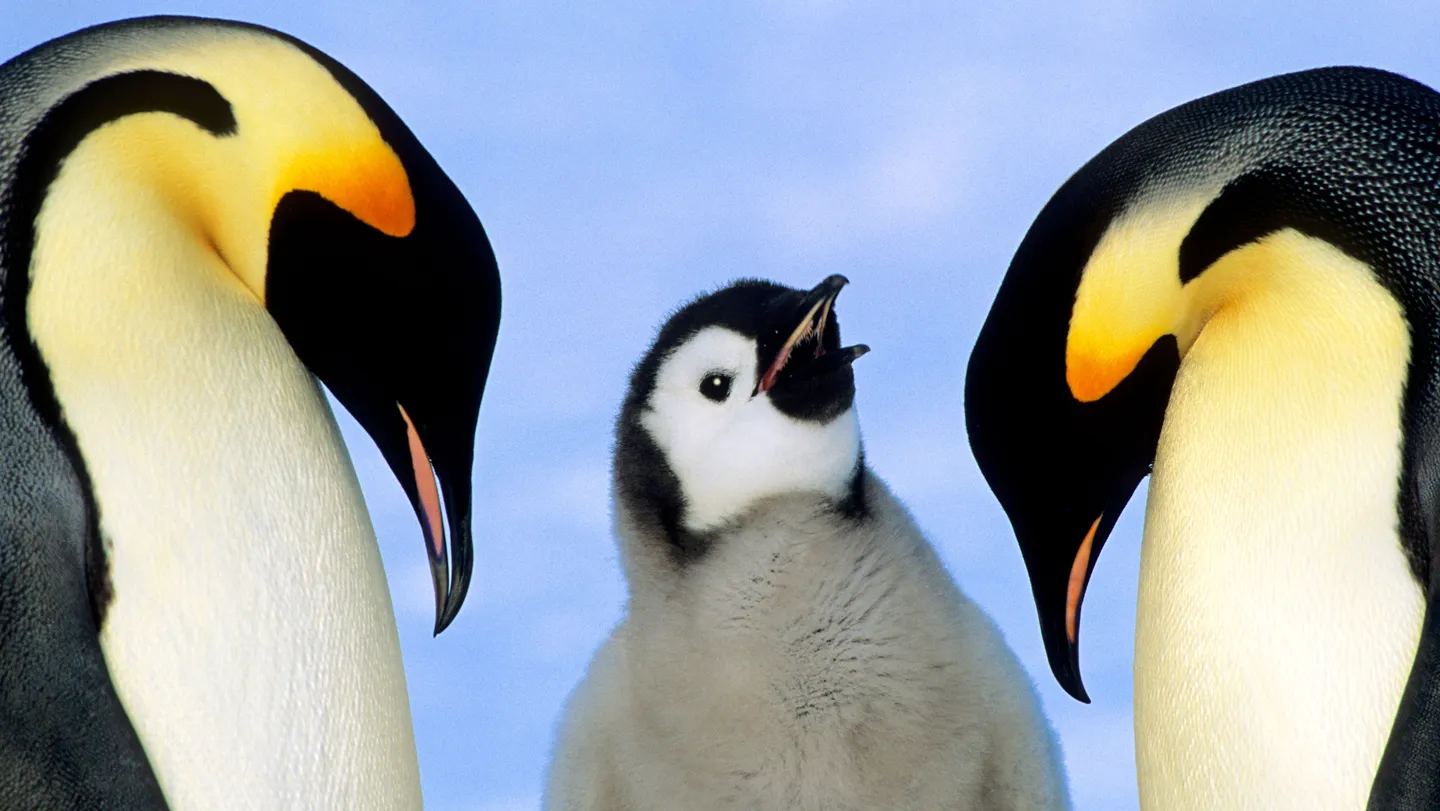
The fragile balance of the Antarctic ecosystem has reached a critical tipping point. In a sobering update to global conservation statuses, both the emperor penguin and the Antarctic fur seal have been declared endangered, signaling a dire warning about the accelerating pace of environmental decay at the bottom of the world.
The reclassification comes as a direct result of plunging populations driven by the relentless effects of climate change. For these species, the loss of stable ice and the shifting chemistry of the Southern Ocean are not merely environmental trends; they are existential threats that are actively pushing them toward extinction.
The International Union for Conservation of Nature (IUCN) Red List has officially updated the status of these animals to reflect the severity of their decline IUCN Red List Press Release. This designation is reserved for species facing a very high risk of extinction in the wild, highlighting a catastrophic trajectory for two of Antarctica’s most iconic inhabitants.
The Crisis of the Emperor Penguin
The emperor penguin, the largest of all penguin species, is uniquely dependent on stable sea ice for breeding and raising its young. As climate change continues to destabilize the Antarctic region, the very foundation of their survival is disappearing. The declaration that emperor penguins are now endangered underscores a grim reality: the ice is melting faster than the species can adapt The Washington Post.

When sea ice breaks up prematurely or fails to form, breeding colonies can collapse entirely. This leads to massive losses of chicks, who cannot survive without the protection and insulation provided by the ice and their parents. The resulting population plunge is not a localized event but a systemic failure occurring across their range.
Antarctic Fur Seals Facing Similar Peril
Parallel to the crisis facing penguins, the Antarctic fur seal is too marching toward extinction. Although seals are highly mobile, they are not immune to the cascading effects of a warming planet. The IUCN’s decision to list the Antarctic fur seal as endangered reflects a precipitous drop in their numbers, mirroring the struggles of the emperor penguin Science News.
The interdependence of these species and their environment means that the decline of one often signals a broader collapse. The loss of sea ice affects not only the breeding grounds of seals but also the availability of prey, creating a lethal chain reaction throughout the Southern Ocean’s food web.
Key Takeaways from the IUCN Update
- New Status: Both emperor penguins and Antarctic fur seals are now classified as “Endangered.”
- Primary Driver: Climate change is the central cause of the plunging populations.
- Environmental Impact: The loss of Antarctic sea ice is critically disrupting breeding and survival cycles.
- Global Urgency: The IUCN Red List update serves as a high-level warning regarding the stability of the Antarctic ecosystem.
The current situation represents a critical juncture for Antarctic conservation. The move to “Endangered” status is a call for immediate global intervention to address the root causes of climate instability before these populations reach a point of no return.
We invite our readers to share this report and join the conversation on how global policy can better protect these vulnerable species. Please exit your thoughts in the comments below.