Rising antisemitism in Germany: The Flensburg Incident and a Nation’s Response
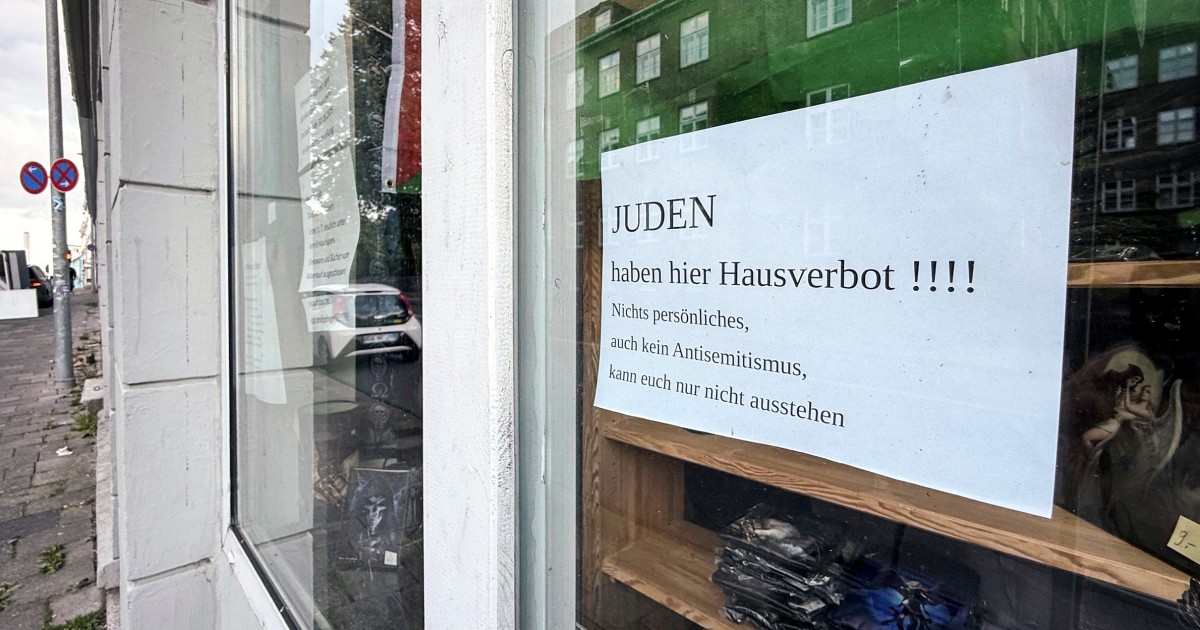
A chilling display of antisemitism has surfaced in Flensburg, Germany, sparking outrage and prompting swift action from local leaders. A shop owner brazenly posted a sign in their window declaring “Jews are banned from entering here!!!!” – a stark and deeply disturbing echo of a dark past. This incident isn’t isolated; it’s a symptom of a worrying trend of increasing hate speech and discrimination against Jewish people across Germany, particularly in the northern state of Schleswig-Holstein.
The sign, condemned in a joint statement by Minister of Culture Dorit Stenke and antisemitism commissioner Gerhard Ulrich, represents a direct attack on the principles of free coexistence and democratic values. Ulrich has filed a criminal complaint against the shop owner for incitement of hatred, highlighting the severity of the offense. This isn’t simply a matter of hurt feelings; it’s a violation of the law and a threat to social harmony.
The Alarming Rise in Antisemitic Incidents
The Flensburg incident arrives against a backdrop of escalating anti-Jewish sentiment in Schleswig-Holstein. Recent data reveals a staggering 390% increase in antisemitic incidents reported in 2024 alone. this dramatic surge, documented by state officials, underscores the urgent need for comprehensive and effective countermeasures. This isn’t just about physical attacks, but also includes online harassment, verbal abuse, and the spread of conspiracy theories targeting the Jewish community. Understanding the nuances of hate crimes and their impact is crucial.
What’s driving this resurgence? Experts point to a complex interplay of factors, including the rise of extremist ideologies, the amplification of hate speech online, and lingering historical prejudices. The current geopolitical climate, particularly the conflict in the Middle East, has also been cited as a potential catalyst, often leading to the projection of political grievances onto Jewish communities. A recent report by the Anti-Defamation League (ADL) highlights a global increase in antisemitism following major events involving Israel and Palestine (https://www.adl.org/).
Practical Steps to Combat antisemitism:
* Report incidents: Document and report any instance of antisemitism to local authorities and organizations like the ADL.
* Educate yourself and others: Learn about the history of antisemitism and its contemporary manifestations.
* Challenge hate speech: Speak out against antisemitic remarks and online content.
* support Jewish communities: Stand in solidarity with Jewish organizations and individuals.
* Promote inclusivity: Foster a culture of respect and understanding in your community.
The state of Schleswig-Holstein is responding with a planned “state of action plan against antisemitism,” set to be adopted next year. While details remain scarce, this initiative signals a commitment to addressing the root causes of antisemitism and protecting Jewish citizens. This plan is expected to include educational programs, increased security measures, and stricter enforcement of hate speech laws.
This incident serves as a stark reminder that antisemitism is not a relic of the past. It’s a present and risky reality that demands vigilance, proactive measures, and a firm commitment to upholding the principles of tolerance and respect. The fight against religious discrimination requires a collective effort, and Germany, bearing a unique historical responsibility, must lead the way.
Evergreen Insights: The Enduring Threat of Prejudice
Throughout history,Jewish communities have faced persecution and discrimination. Understanding this historical context is vital to recognizing and combating contemporary antisemitism. The roots of prejudice lie in misinformation, fear, and scapegoating. By challenging these underlying factors, we can build a more just and equitable society for all. The lessons of the Holocaust - a horrific example of state-sponsored antisemitism – must never be forgotten.
Conclusion:
The antisemitic sign in Flensburg is a deeply troubling event, but it also presents an opportunity for reflection and action. Addressing the rising tide of antisemitism requires a multifaceted approach, encompassing legal measures, educational initiatives, and a fundamental shift in societal attitudes.Germany’s commitment to combating this form of hatred is crucial, not only for the protection of its Jewish citizens but also for the preservation of its democratic values.
FAQ: Understanding Antisemitism in Germany
Q: What exactly constitutes antisemitism?
A: Antisemitism encompasses hostility to, prejudice, or discrimination against Jews. It can manifest as religious hatred, ethnic prejudice, or political conspiracy theories.
**Q: Is antisemitism really increasing in Germany


![80-Year-Old Woman Dies in 5-Vehicle Crash – [Location] | News](https://i0.wp.com/www.rte.ie/images/00076d6d-1600.jpg?resize=150%2C100&ssl=1 "80-Year-Old Woman Dies in 5-Vehicle Crash – [Location] | News")