
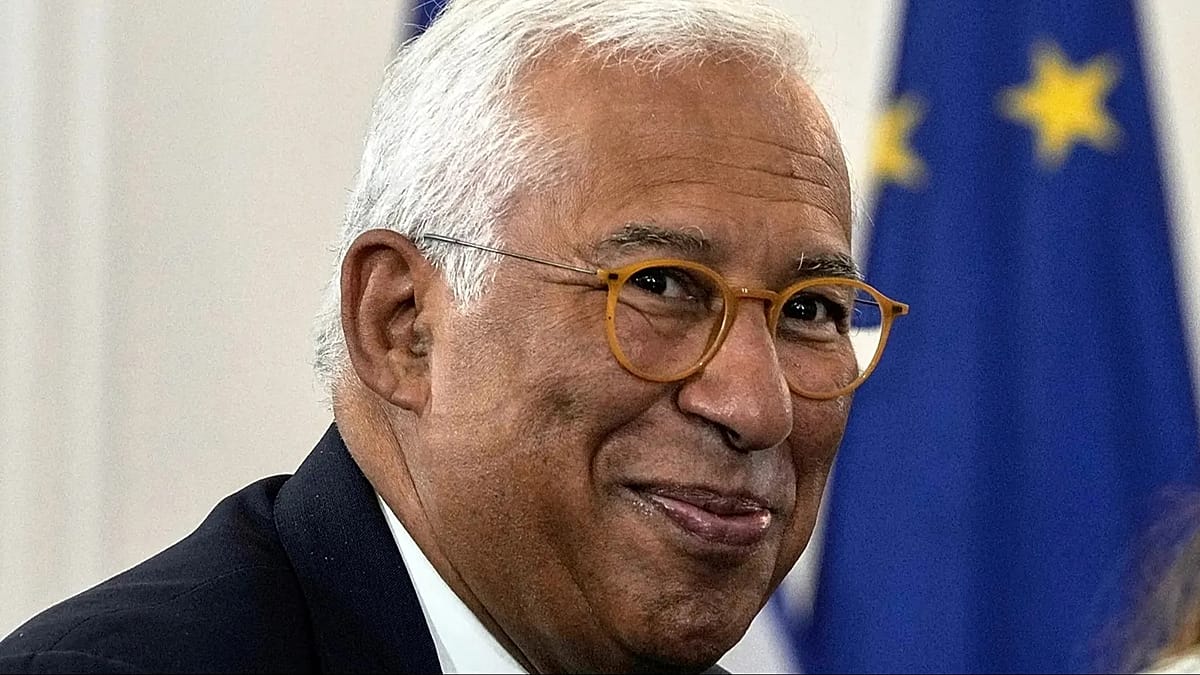
Portugal’s Political Crisis: Unraveling the Wiretap Scandal That Toppled a Government
the resignation of Portuguese Prime Minister António Costa in November 2023 sent shockwaves through the nation, triggering snap elections and a period of political uncertainty. The catalyst? A sprawling investigation involving alleged influence peddling, lithium mining concessions, and a controversial data center project – and crucially, the belated revelation of wiretaps implicating the Prime Minister himself. This article delves into the complex details of the scandal, examining the timeline, key players, legal challenges, and the implications for Portugal’s political landscape.
The Investigation: A Web of Projects Under Scrutiny
The investigation, spearheaded by the Public Prosecutor’s Office (PGR) and the Central department of Investigation and Penal Action (DCIAP), initially focused on four distinct, yet potentially interconnected, projects:
* Sines Data Center: A large-scale data center planned for the Sines Industrial and Logistics zone, raising questions about potential undue influence in its approval process.
* Lithium Mining Concessions: Exploration rights for lithium deposits in the Romano (Montalegre) and Barroso (Boticas) mines, a sector of growing strategic importance.
* Sines Hydrogen Plant: A proposed hydrogen power plant in Sines, part of Portugal’s aspiring green energy transition.
* The “influencer Universe”: A broader investigation into potential improper influence and lobbying activities surrounding these and other projects.
The PGR maintains that all documentation is being thoroughly analyzed, with investigations progressing at varying stages.However, the core of the crisis revolves around allegations that Costa intervened to “unblock procedures” related to the Sines Data Centre project – a claim currently under investigation with both internal and external judicial secrecy in place.
The Wiretap Revelation: A Timeline of Omissions and delays
The scandal escalated dramatically with the revelation of wiretaps involving Prime Minister Costa. Initially, seven wiretaps were confirmed by the PGR as having been submitted to the courts. Though, a subsequent review revealed another seven wiretaps where Costa’s voice appeared “incidentally” – meaning he was not the primary target of the surveillance, but present during conversations captured while monitoring other individuals.
This revelation sparked immediate controversy, especially given the legal requirements surrounding the surveillance of high-ranking officials. Portuguese law mandates that wiretaps targeting senior political figures must be reported to the President of the Supreme Court of justice within 48 hours and renewed every 15 days.
Crucially, the DCIAP is accused of failing to disclose these recordings for a period of five years, despite acknowledging their potential relevance to the case. The reasons for this omission remain “undisclosed.” Further complicating matters, the President of the Supreme Court of Justice refused to analyze the wiretaps once presented, arguing that their intervention is only justified while the individuals involved are still in office.
The Central Criminal Investigation Court (TCIC) also declined to validate the evidence,citing the expiration of legal deadlines. This effectively renders the wiretaps unusable as evidence in the current investigation.
Costa’s Response and Resignation
For months, António Costa had been requesting access to the case file pertaining to him, but his requests were repeatedly denied. The mounting pressure, coupled with the public disclosure of the wiretap revelations, ultimately led to his resignation on November 7, 2023.
In his resignation statement, Costa emphasized the incompatibility of his office with any suspicion of impropriety, stating, “The dignity of the functions of Prime Minister is not compatible with any suspicion of his integrity, his good behaviour or, even less so, with the suspicion of the commission of any criminal act.”
Political Fallout and Snap Elections
Costa’s resignation triggered a constitutional crisis. President Marcelo Rebelo de Sousa responded by dissolving parliament and calling for snap elections, held on March 10, 2024. The elections resulted in a victory for the center-right Democratic Alliance, ending the eight-year rule of the Socialist Party.
Legal Challenges and the future of the Investigation
The legal ramifications of the wiretap scandal are notable. The delayed disclosure of the recordings, the refusal to analyze them by the Supreme Court, and the TCIC’s decision not to validate them raise serious questions about the integrity of the investigation.
The PGR insists that the investigation remains active, despite the evidentiary challenges. However,the credibility of the process has been severely damaged,and the focus has shifted to determining why the wiretaps were not disclosed promptly and what impact this had on the investigation.
**Expert Analysis: A





