
The Future of Digital Privacy: Will Apple‘s App Tracking Openness Be Disabled in Europe?
The digital landscape is in constant flux, and the battle for user privacy is a central conflict. Recently, Apple issued a stark warning: it may be forced to disable its groundbreaking App Tracking Transparency (ATT) feature in Germany and potentially across other European nations. This potential rollback stems from mounting regulatory pressure and aggressive lobbying efforts by the advertising industry, raising critical questions about the future of data privacy and user control. But what does this mean for you, the user, and the broader implications for the digital ecosystem? This article dives deep into the situation, exploring the context, the controversy, and the potential consequences.
Understanding App Tracking transparency (ATT)
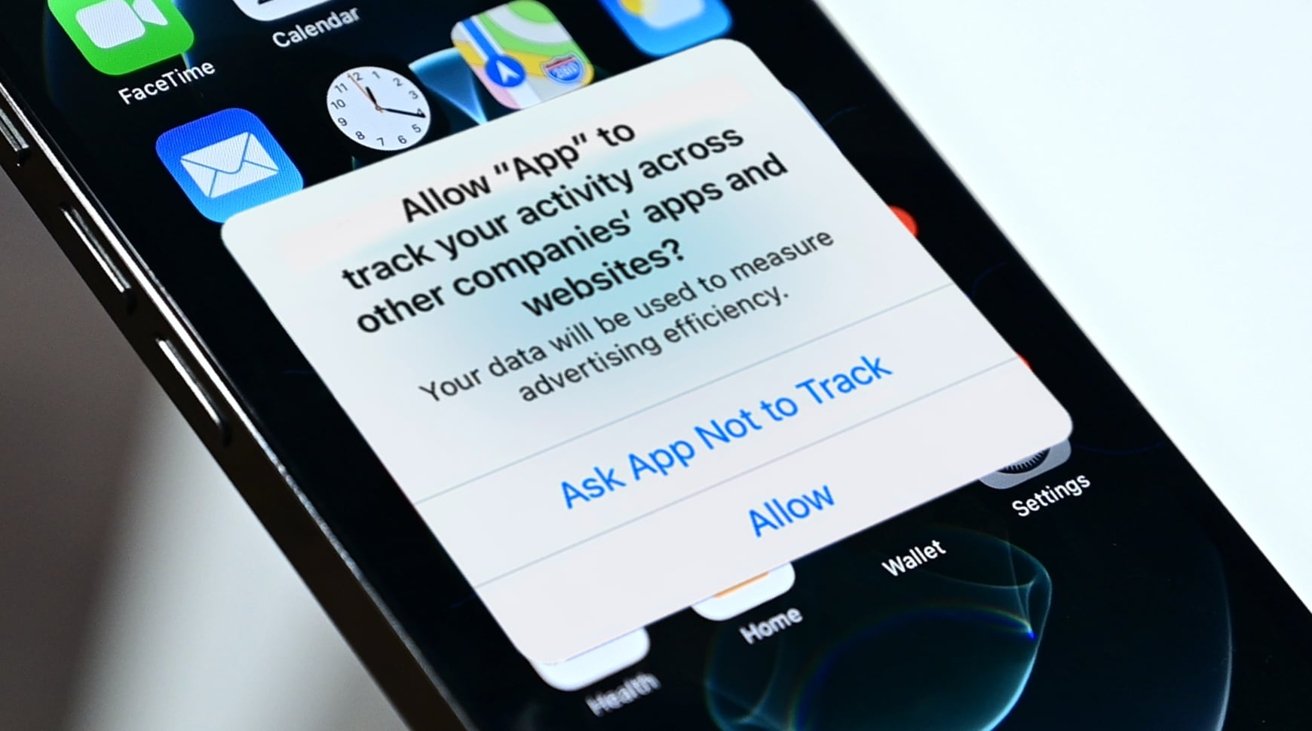
Launched in April 2021, Apple’s ATT was a game-changer. Before ATT, apps routinely tracked user activity across other apps and websites, building detailed profiles for targeted advertising. ATT flipped the script, requiring apps to request permission before tracking users. users are presented with a clear prompt: “Allow [App Name] to track your activity across other companies’ apps and websites?”
Did You Know? According to recent data from AppsFlyer (Q3 2023), ATT adoption rates remain high, with over 94% of iOS users opting out of tracking when prompted. This demonstrates a strong user preference for privacy.
The results were immediate and important. Many users chose to opt-out of tracking, impacting the advertising revenue streams of companies reliant on this data. This disruption is the core of the current conflict. The advertising industry argues that ATT hinders their ability to deliver personalized ads and measure campaign effectiveness, impacting small businesses and the overall digital economy. However, privacy advocates champion ATT as a vital step towards empowering users and protecting their data.
The Regulatory and Lobbying Pressure
The pressure on Apple isn’t coming from a single source. Germany’s Federal Cartel Office (Bundeskartellamt) has been particularly vocal, raising concerns about Apple’s control over the App Store and its potential to unfairly favor its own services.Italy’s competition authority also investigated Apple over ATT,alleging anti-competitive behavior.
Pro Tip: Regularly review the privacy settings on your devices and within each app. Take control of your data by limiting tracking and sharing permissions.
The Digital Markets Act (DMA), a landmark EU regulation aimed at curbing the power of “gatekeeper” tech companies, is also playing a role. While the DMA doesn’t directly target ATT, it creates a framework for greater scrutiny of Apple’s practices. The advertising industry is actively lobbying for changes to the DMA’s implementation, arguing that ATT violates the spirit of fair competition. Apple, in a statement reported by DPA International and macrumors, explicitly cited “intense lobbying efforts” as a potential catalyst for withdrawing ATT in Europe.
Potential Consequences of Disabling ATT
If Apple is forced to disable ATT, the implications would be far-reaching:
* reduced User Privacy: Users would lose a crucial layer of control over their data, making them more vulnerable to tracking and targeted advertising.
* Increased Data Collection: Apps would be free to track user activity without explicit consent, potentially leading to more intrusive data collection practices.
* Impact on privacy-Focused Businesses: Companies that prioritize user privacy and offer alternative advertising solutions could be disadvantaged.
* Erosion of Trust: Disabling ATT could damage Apple’s reputation as a privacy advocate and erode user trust in the platform.
Here’s a quick comparison of the current situation with ATT enabled versus a potential scenario with ATT disabled:
| Feature | ATT Enabled | ATT Disabled |
|---|---|---|
| User Control | Users explicitly consent to tracking. | Apps can track without consent. |





![AI Video Production: Human Creativity Remains Key | [Studio Name] CEO Insights](https://i0.wp.com/newsimg.koreatimes.co.kr/2025/12/17/5a5f567c-7c59-4363-858f-59e29e9b7b47.png?resize=150%2C100&ssl=1 "AI Video Production: Human Creativity Remains Key | [Studio Name] CEO Insights")


