
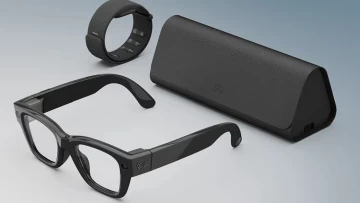
Apple is reportedly exploring multiple paths for its entry into the wearable eyewear market, testing four distinct designs for its upcoming smart glasses. This strategic move signals the tech giant’s intention to challenge the current market leaders and carve out a space in the rapidly evolving intersection of fashion and augmented intelligence.
The effort to refine Apple smart glasses designs suggests a cautious but comprehensive approach to hardware. By iterating across four different prototypes, the company appears to be balancing the competing demands of battery life, weight, and aesthetic appeal—factors that have historically hindered the mass adoption of smart eyewear.
Industry indicators suggest that Apple’s entry into the smart glass segment could arrive in early 2027. This timeline would position the device as a direct competitor to the current dominance of Meta, which has already established a foothold through its partnership with Ray-Ban.
The Competitive Landscape: Meta’s Early Lead
While Apple remains in the testing phase, Meta has already aggressively scaled its presence in the wearable AI space. The company is currently enhancing its hardware with the introduction of a “Personal Superintelligence” AI, which is designed to bring more advanced, proactive capabilities to its smart glasses via Lifehacker.
Meta’s strategy has focused on accessibility and price. For instance, Ray-Ban Meta Wayfarer smart glasses have recently been seen discounted to $284.25 via Technobezz, making the technology available to a broader consumer base before Apple’s projected 2027 launch.
Social Friction and the Privacy Hurdle
Despite the technological strides, the adoption of smart glasses faces significant social headwinds. The integration of cameras and microphones into eyewear often creates tension regarding consent and privacy in public spaces.
These challenges are not merely theoretical. In a detailed account of using Meta’s smart glasses for a month, a user reported feeling “like a creep,” highlighting the psychological and social discomfort that accompanies wearing a device capable of discreet recording and AI analysis via The Guardian.
For Apple, overcoming this “creep factor” will likely be as important as the hardware itself. The company’s history of emphasizing privacy as a core product feature may be its primary weapon in winning over skeptical consumers who are wary of the social implications of wearable cameras.
Key Market Comparison
| Feature | Meta (Current) | Apple (Projected) |
|---|---|---|
| Status | Available in market | Testing multiple designs |
| Key AI Focus | Personal Superintelligence | Unconfirmed |
| Pricing | Approx. $284.25 (discounted) | Unconfirmed |
| Expected Timeline | Active updates | Early 2027 |
As Apple continues to refine its four design paths, the industry will be watching for how the company integrates its ecosystem—likely linking the glasses with the iPhone and potentially leveraging the software foundations laid by the Vision Pro. The goal will be to move beyond a mere gadget and create a seamless, socially acceptable wearable that enhances daily life without alienating those around the wearer.
While there is no official release date confirmed by Apple, the projected 2027 window remains the primary checkpoint for the industry. Further updates regarding design leaks or official hardware announcements are expected as the development cycle progresses.
Do you believe smart glasses will eventually replace the smartphone, or will the privacy concerns maintain them a niche product? Share your thoughts in the comments below.