
The iPhone Air effect: Will Apple‘s new Strategy Spark a Supercycle?
Published: September 9, 2025, 23:34:19 PST
The tech world is buzzing. Apple’s recent “Awe Dropping” event, unveiling the highly anticipated iPhone Air, has ignited a surge of optimism on Wall Street. Evercore ISI, a leading investment research firm, has responded by raising its Apple stock price target to $260 – a notable jump from its previous $250 estimate. But is this optimism justified? Can the iPhone Air truly be the catalyst for a long-overdue upgrade cycle, or is history poised to repeat itself? This article dives deep into the potential impact of the iPhone Air, analyzing the market forces at play, dissecting the technical innovations, and offering a nuanced perspective on whether this represents a genuine turning point for Apple.
Did You Know? Apple hasn’t seen a truly explosive upgrade cycle since the iPhone 6 in 2014. The market is increasingly saturated, and consumers are holding onto their devices for longer periods.
Understanding the Upgrade Cycle Challenge
For years, the smartphone market has been grappling with a slowing upgrade cycle. Consumers are no longer compelled to upgrade annually, citing incremental improvements and the increasing cost of flagship devices. the average smartphone lifespan has extended to over three years,according to recent data from Counterpoint Research (Q2 2025 report). This poses a significant challenge for Apple, which relies heavily on iPhone sales to drive revenue. The introduction of the iPhone Air is strategically positioned to address this stagnation by offering a compelling value proposition – a balance between premium features and a more accessible price point.
The iPhone Air: A deep Dive into the Innovation
The iPhone Air isn’t just a cheaper iPhone; it represents a intentional shift in Apple’s product strategy. While details remain somewhat guarded, initial reports and the “Awe Dropping” event revealed several key features:
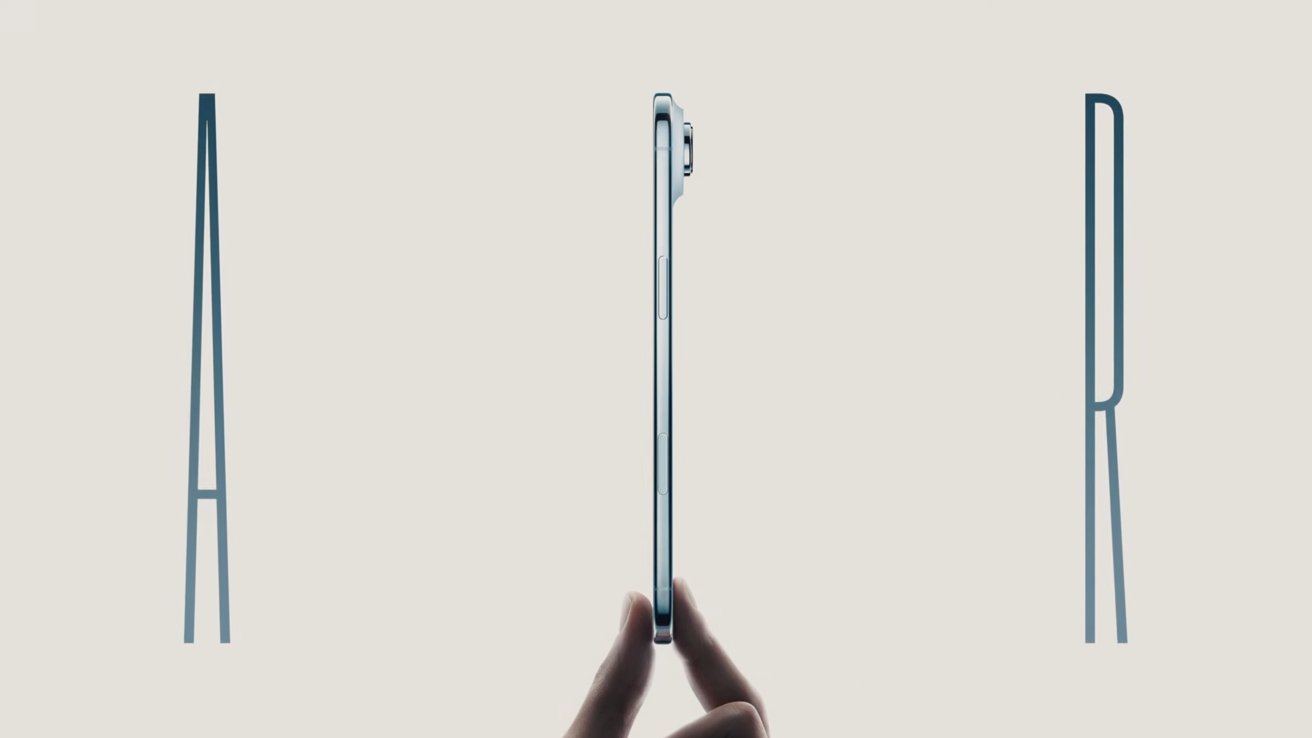
Design Refresh: the iPhone Air boasts a redesigned chassis, moving away from the traditional rounded edges of recent models towards a flatter, more industrial aesthetic reminiscent of the iPhone 5. This isn’t merely cosmetic; it allows for a more efficient internal layout and perhaps improved thermal management.
A18 Bionic Chip: Powered by the next-generation A18 Bionic chip, the iPhone Air delivers performance comparable to the standard iPhone 17, ensuring a smooth and responsive user experience. This is a crucial differentiator, as performance is a key driver for upgrades.
Advanced camera System: While not matching the pro-level capabilities of the iPhone 17 Pro models, the iPhone Air features a considerably upgraded camera system with a 48MP main sensor and enhanced computational photography algorithms.this addresses a common complaint about previous “budget” iPhone models.
Display Technology: The iPhone Air utilizes a new OLED display technology, offering improved color accuracy, brightness, and energy efficiency compared to the LCD panels found in older models.
* Price Point: Starting at $799, the iPhone Air is positioned strategically between the iPhone SE and the standard iPhone 17, making it an attractive option for budget-conscious consumers who still desire a premium Apple experience.
Pro Tip: Consider the trade-in value of your current iPhone when evaluating the cost of upgrading to the iPhone Air. Apple’s trade-in program can significantly reduce the upfront expense.
Evercore ISI’s Bullish Prediction: A Realistic Assessment?
Evercore ISI’s rationale for the increased stock target hinges on the belief that the iPhone Air will unlock a new wave of upgrades.They argue that the design shift, coupled with the compelling feature set and price point, will appeal to a broader audience, including Android users considering switching to iOS. However, history suggests caution. Previous attempts to introduce more affordable iPhones have yielded mixed results. The iPhone SE (2020), while popular, didn’t trigger a sustained upgrade cycle.
The current economic climate also plays a role. Inflation remains a concern, and consumer spending is tightening. While the iPhone Air offers a more accessible entry point, it’s still a significant purchase for many. furthermore, the competition is fierce. Android manufacturers like Samsung and Google continue to innovate, offering compelling alternatives at various price points.




