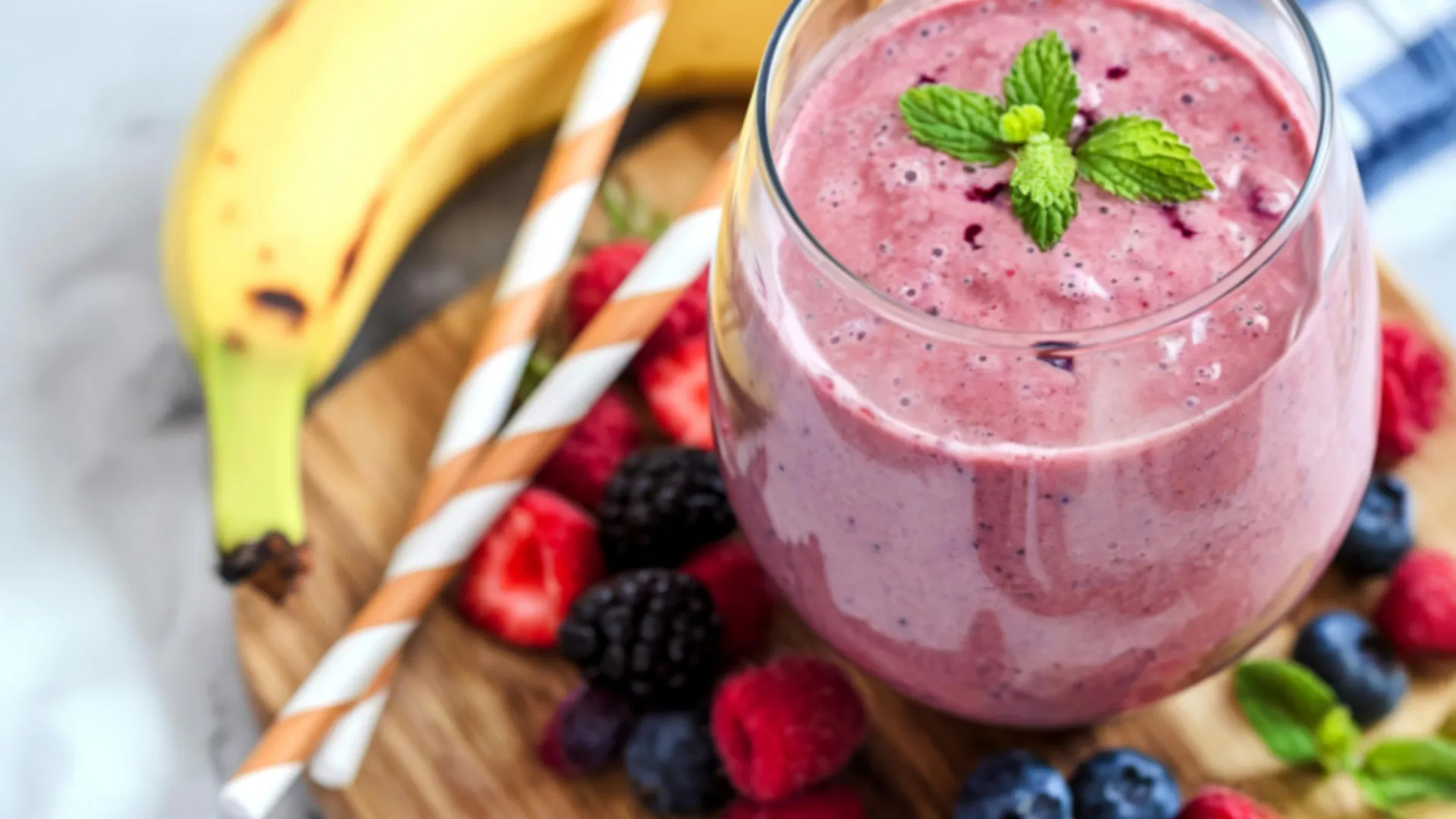
Beyond the Blend: How Fruit Combinations Impact Your Smoothie‘s Health Benefits
Smoothies have become a cornerstone of modern healthy eating, lauded for their convenience and nutrient density. But a growing body of research reveals a surprising truth: how you blend your smoothie matters just as much as what you put in it. While the idea of packing a variety of fruits into one glass seems ideal, certain combinations can significantly diminish the nutritional value you actually receive.New research from the University of California, Davis, highlights a key culprit: an enzyme called polyphenol oxidase (PPO), and its impact on the absorption of beneficial compounds called flavanols.
Understanding flavanols: The Powerhouse Compounds in Your Fruit
Before diving into the specifics, it’s crucial to understand why flavanols are so important.these naturally occurring compounds, belonging to the broader polyphenol family, are abundant in fruits like apples, pears, blueberries, blackberries, grapes, and cocoa. They’re increasingly recognized for their potent health benefits, including improved cardiovascular function, enhanced cognitive performance, and reduced inflammation. Regular consumption of flavanols, with recommended daily intakes ranging from 400-600mg according to the Academy of Nutrition and Dietetics, is linked to notable improvements in cardiometabolic health.
However, getting those benefits isn’t as simple as throwing a handful of berries into a blender.
The PPO Factor: Why Some Fruit Pairings Sabotage Your smoothie
The UC Davis research, published in the Royal Society of chemistry’s journal Food and Function, centers around PPO, an enzyme present in many fruits and vegetables. you’ve likely witnessed PPO in action – it’s responsible for the browning that occurs when you slice an apple or peel a banana. This browning isn’t just cosmetic; it’s a chemical reaction between PPO and oxygen that alters the fruit’s composition.
The team, led by Javier ottaviani, Director of the Core Laboratory of Mars Edge and adjunct researcher at UC Davis, investigated whether this enzymatic activity impacts the bioavailability of flavanols – essentially, how much your body can actually absorb and utilize. Their approach was elegantly simple: participants consumed either a banana-based smoothie, a mixed berry smoothie, or a flavanol capsule (as a control).Researchers then meticulously measured flavanol levels in blood and urine samples.
The Striking Results: Bananas and Flavanol Absorption
The findings were startling.Individuals who consumed the banana smoothie exhibited a remarkable 84% reduction in flavanol levels compared to those who took the flavanol capsule. This wasn’t a minor dip; it represented a substantial loss of potential health benefits.
“We were really surprised to see how quickly adding a single banana decreased the level of flavanols in the smoothie and the levels of flavanol absorbed in the body,” explains Ottaviani. “This highlights how food preparation and combinations can affect the absorption of dietary compounds in foods.”
Why Bananas? PPO Activity is Key
Bananas possess relatively high PPO activity. When blended with flavanol-rich fruits, the enzyme rapidly degrades these beneficial compounds, rendering them less available for absorption. berries, on the other hand, have significantly lower PPO activity, making them a safer choice for maximizing flavanol intake.
Smart smoothie Strategies: Building a Bioavailable Blend
So, what does this meen for your daily smoothie routine? It’s not about eliminating bananas altogether – they’re still a nutritious fruit packed with potassium and fiber. rather, it’s about being mindful of pairings. Here’s a practical guide:
* Pair Flavanol-Rich Fruits with Low-PPO Ingredients: Focus on combining berries (blueberries, raspberries, blackberries) with fruits like pineapple, oranges, mango, or even yogurt.
* Avoid Banana-Berry Combinations: If you enjoy banana smoothies, consider consuming berries separately to ensure optimal flavanol absorption.
* Consider Other High-PPO Foods: Be mindful of other ingredients with high PPO activity, such as beet greens.
* Explore Brewing Methods (Beyond Smoothies): The research team notes that similar principles likely apply to other flavanol-rich foods and beverages,like tea. How tea is brewed could significantly impact flavanol bioavailability.
The future of Nutrient Absorption Research
This study represents a crucial step forward in understanding the complex interplay between food preparation, enzymatic activity, and nutrient absorption. It underscores the importance of considering not just what we eat, but how we prepare it.
“This is certainly an area that deserves more attention in the field of polyphenols and bioactive compounds in general