
A Landmark Case: Justice for a Jaguar in Argentina Signals a Turning Tide
The image was brutal. A lifeless jaguar, sprawled on its side. Another showed the animal suspended, a grim testament to a senseless act. then, the chilling finality: the grand, spotted hide stretched across a blue tarp, the flesh already consumed.
This wasn’t a scene from a forgotten era of unchecked exploitation. It was August 13th, and the aftermath of a crime that sparked a groundbreaking legal battle in Formosa, a province in northeastern Argentina. Four men have now been sentenced to two years in prison for the illegal hunting of this majestic creature.Three of the rural workers received firm prison sentences, though thay’ll be allowed to serve them at home, with permission to work. This outcome, hailed by the Formosa government as “a historic trial with exemplary penalties,” represents a meaningful victory for conservation efforts in a region where jaguars are still vulnerable.
But what truly propelled this case forward wasn’t a dedicated inquiry or a long-held suspicion. It was the hunters themselves who unwittingly brought their crime to light.
Late in july 2024, the men began sharing photographs of their kill. These images, shockingly, landed on the phone of a government official dedicated to jaguar conservation. An immediate investigation followed.
Law enforcement quickly uncovered damning evidence during searches of the men’s properties.They seized firearms, blood-stained clothing, biological remains, and other crucial evidence that directly linked the individuals to the illegal hunt. The Formosa court meticulously documented these findings in its judgment.
Why This Case Matters: A Shift in Perspective
You might be wondering why the illegal hunting of one jaguar garnered such attention. it’s about more than just this single animal. It’s about a basic shift in how Argentina – and the world – views wildlife crime.
Here’s what makes this case so pivotal:
Unprecedented Prosecution: Historically,prosecuting wildlife crimes,especially in remote areas,has been incredibly difficult. This case demonstrates a willingness to pursue these crimes aggressively.
The Power of Evidence: The hunters’ own photographs became their downfall. This highlights the risks associated with boasting about illegal activities in the digital age.
A Message Sent: The sentences, while perhaps not lengthy enough for some, send a clear message: harming endangered species will have consequences.
Rewilding Success at Stake: Argentina has been actively involved in rewilding efforts, specifically with jaguars in the Iberá National Park.this case underscores the need to protect these reintroduced populations.
I’ve found that successful conservation isn’t just about protecting animals in the wild; it’s about changing the mindset that allows these crimes to occur in the first place. This case, I beleive, is a crucial step in that direction.
The Bigger Picture: Jaguars in Argentina
For decades, jaguars were virtually extinct in much of Argentina.Habitat loss, hunting, and conflict with ranchers decimated their numbers.However, thanks to the dedicated work of organizations like the Rewilding Argentina foundation, these magnificent cats are slowly making a comeback.
Rewilding efforts focus on:
Habitat Restoration: Protecting and restoring the wetlands and forests jaguars need to thrive.
Anti-Poaching Patrols: Increasing surveillance and enforcement to deter illegal hunting.
Community Engagement: Working with local communities to promote coexistence and reduce conflict. Reintroduction Programs: Carefully releasing captive-bred jaguars into protected areas.
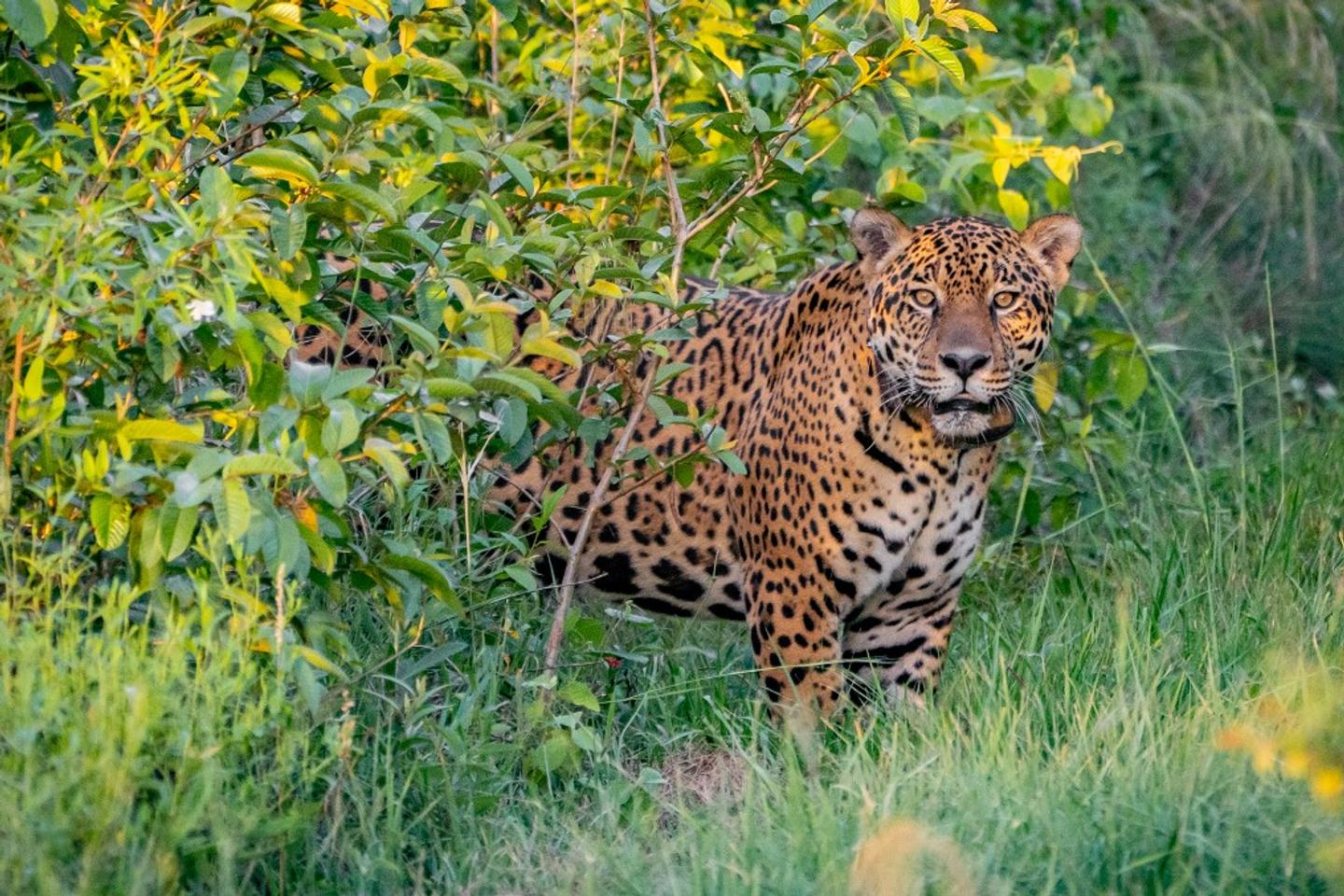
The jaguar, Jatobazinho, pictured after his release in 2021, embodies this hope. His story, and now the tragic fate of another, serve as a powerful reminder of the fragility of these conservation gains.
This recent conviction isn’t just a legal victory; it’s a testament to the growing recognition that jaguars are


