
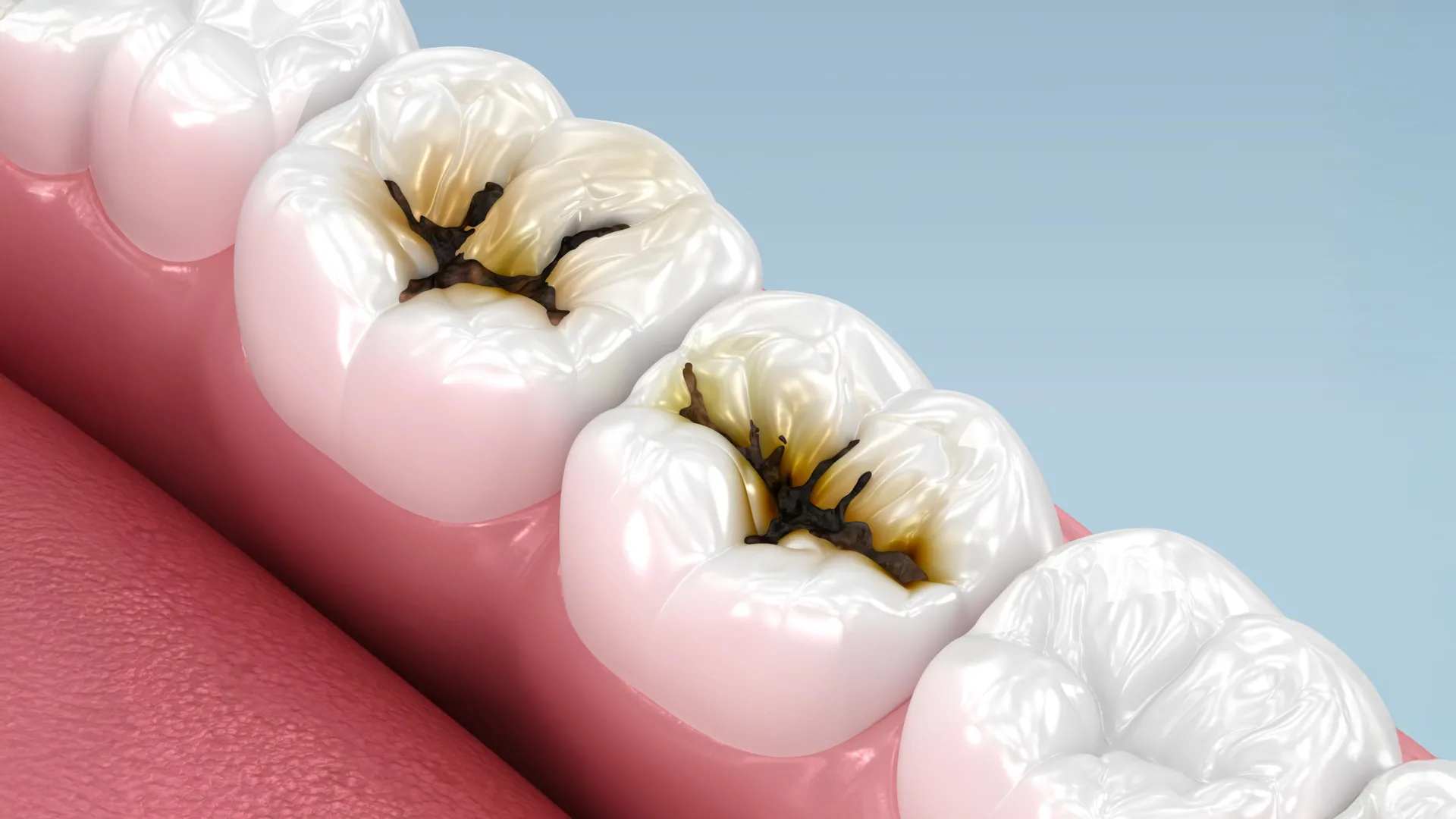
The persistent battle against tooth decay has taken a interesting turn, with emerging research highlighting the potential of a surprising ally: arginine. When oral bacteria metabolize sugars, they produce acids that relentlessly attack tooth enamel, ultimately leading to cavities. These microorganisms rarely act in isolation, instead forming complex communities called dental biofilms that stubbornly adhere to tooth surfaces, accelerating the process of enamel erosion.
The Power of Arginine for Oral Health
Recent investigations have revealed that arginine, an amino acid naturally found in your saliva, plays a crucial role in minimizing tooth decay. Certain beneficial oral bacteria utilize an arginine deiminase system (ADS) to transform arginine into alkaline compounds, effectively neutralizing harmful acids. I’ve found that when arginine is readily available, these protective bacteria flourish, while acid-producing bacteria struggle to thrive. Previous laboratory studies hinted at arginine’s ability to reshape the composition of dental biofilms, but the question remained: would these effects translate to the complexities of the human mouth?
Confirming Arginine’s Benefits in a Real-World Setting
To answer this question, a research team embarked on a clinical study, meticulously examining the impact of arginine within the oral surroundings. the study, conducted at Aarhus University in Denmark, involved 12 individuals experiencing active tooth decay. Each participant received custom-made dentures designed to allow researchers to collect undisturbed dental biofilms from both sides of their jaws.
Participants followed a specific protocol: dipping the dentures into a sugar solution for five minutes, promptly followed by a 30-minute exposure to either distilled water (as a control) or arginine. This process was repeated three times daily, consistently applying the same treatment to one side of the mouth. After four days, the dentures were carefully removed for in-depth analysis.
“The primary goal was to understand how arginine treatment influences the acidity, bacterial composition, and carbohydrate structure of biofilms in patients with existing cavities,” explained a leading researcher involved in the study.
Arginine’s Impact on Acidity Levels
Researchers employed a pH-sensitive dye, C-SNARF-4, to precisely measure acidity within the biofilms. This dye enabled them to assess acidity variations across different areas of the biofilm. Notably, biofilms treated with arginine exhibited significantly higher pH levels – indicating reduced acidity – at both 10 and 35 minutes following sugar exposure.
“Our findings clearly demonstrate that arginine treatment provides ample protection against the acidification caused by sugar metabolism within the biofilms,” stated the lead author of the study.
Reshaping Biofilm Structure and Carbohydrate Composition
The team further investigated the structural components of the biofilms using fluorescently labeled lectins, proteins that bind to specific carbohydrates. They focused on two key carbohydrate components: fucose and galactose. these sugars are prevalent in dental biofilms and are believed to contribute to the formation of “acidic pockets” where damaging acids accumulate.
Biofilms exposed to arginine showed a marked decrease in fucose-based carbohydrates, potentially





