
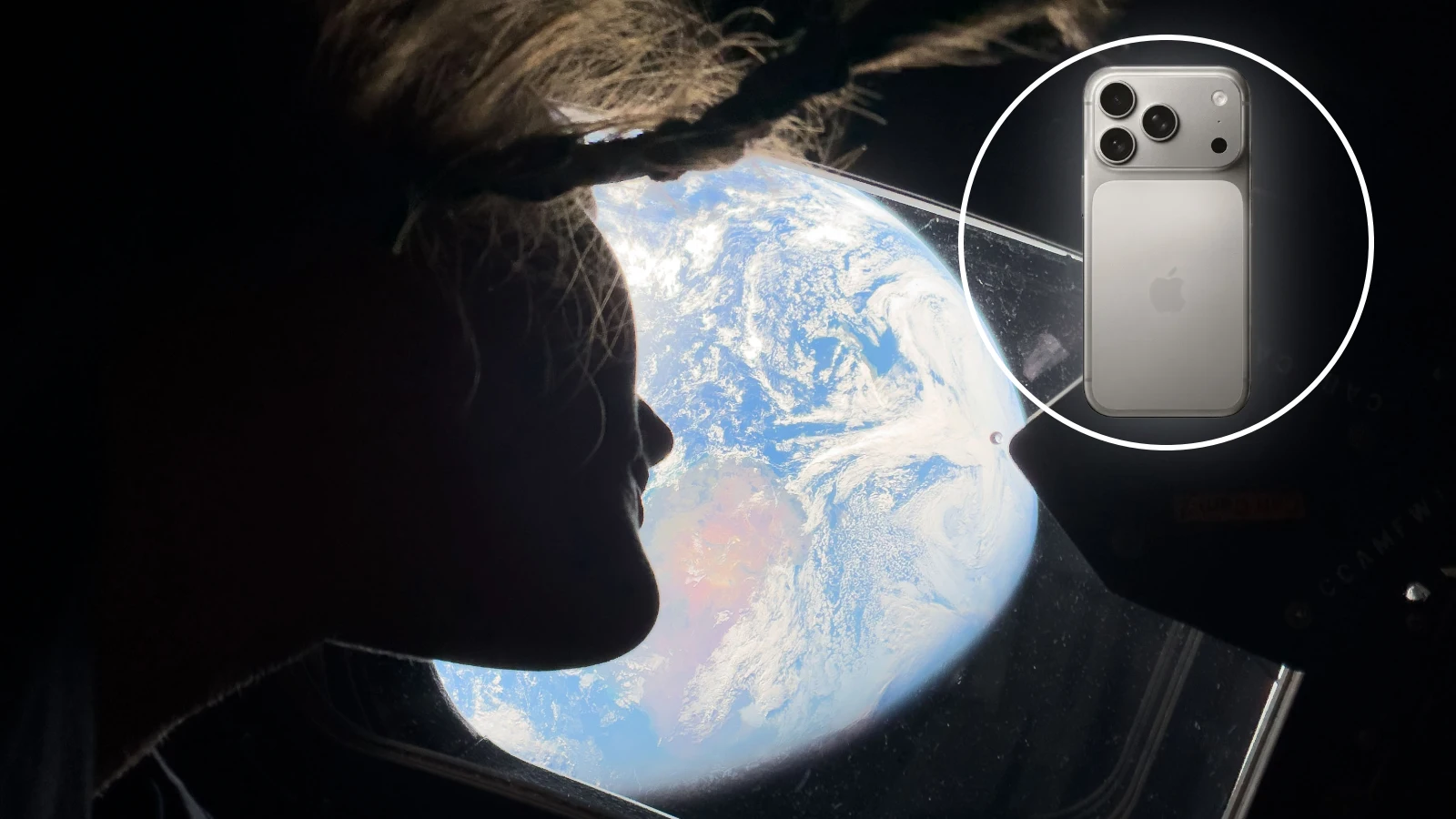
The imagery of human space exploration has evolved from the grainy, meticulously captured frames of the Apollo era to the high-resolution immediacy of the smartphone. This transition reached a new milestone last week as NASA’s Artemis II crew returned to Earth, bringing with them a collection of photographs that are as much a testament to modern consumer electronics as they are to lunar exploration.
Apple has officially celebrated the use of the iPhone 17 Pro Max Artemis II photos, highlighting the device’s role in documenting one of the most ambitious journeys in recent history. As the crew completed a flyby of the far side of the Moon, they didn’t just rely on specialized NASA equipment; they used the same technology millions of people carry in their pockets to capture the “pale blue dot” from a distance never before reached by humans.
The mission, which broke the record for the farthest-ever human spaceflight, saw the crew utilize the iPhone 17 Pro Max for personal documentation and selfies. Apple’s leadership has since taken to social media to congratulate the astronauts, framing the mission as a significant leap for mobile photography and a symbolic extension of the company’s “Perceive Different” philosophy.
A New Lens on the Cosmos: The iPhone 17 Pro Max in Orbit
Whereas NASA typically employs highly specialized, radiation-hardened cameras for official mission documentation, the Artemis II crew were cleared to bring personal smartphones on board the Orion spacecraft. Specifically, each of the four crew members was equipped with an iPhone 17 Pro Max for personal photos and videos.
The most striking images shared following the mission include selfies of Commander Reid Wiseman and Mission Specialist Christina Koch. These photos, captured through one of the Orion’s main cabin windows, show the astronauts looking back at Earth against the void of space. According to Flickr data, these specific images were captured on April 2, 2026, which marked the second day of the mission during the journey around the far side of the Moon.
Notably, the crew utilized the iPhone 17 Pro Max’s front-facing camera to capture these moments. The ability of a consumer-grade sensor to handle the extreme lighting contrasts of deep space—where the brilliance of the sun meets the absolute black of the vacuum—underscores the technical maturity of current mobile imaging systems.
Technical Qualification and the Limits of Connectivity
Integrating consumer electronics into a spacecraft is not as simple as packing a bag. Before the mission, NASA conducted a rigorous review process to ensure the devices would not interfere with the Orion’s critical systems. In February 2026, NASA announced that the iPhone had been fully qualified for extended use in orbit to allow for personal use by the crew.

However, the “smart” capabilities of the devices were significantly limited by the environment. Despite the hardware’s sophistication, the astronauts were unable to connect to the internet while in deep space during the Artemis II flight. This limitation turned the devices into high-end standalone cameras and journals rather than communication hubs, emphasizing the vast distances and the specialized infrastructure required for deep-space telemetry.
The hardware integration extended beyond the smartphone. The crew also utilized Apple Watches to collect data during their mission as part of their onboard experience, further embedding the Apple ecosystem into the daily routine of the Orion crew.
The Artemis II Crew: Pioneers of the Digital Space Age
The mission was manned by a diverse team of experienced astronauts who represented a global effort in space exploration. The crew consisted of:
- Reid Wiseman: Commander, who shared photos of the Moon captured on his iPhone during a mission livestream via the Orion spacecraft.
- Victor Glover: Pilot.
- Christina Koch: Mission Specialist.
- Jeremy Hansen: Mission Specialist from the Canadian Space Agency representing international cooperation.
For these astronauts, the iPhone served as a bridge between the professional rigors of a NASA mission and the personal experience of witnessing the cosmos. By capturing these moments on a familiar device, the crew provided a more intimate, human perspective of the journey, mirroring how the general public documents their own lives on Earth.
Corporate Celebration: “One Giant Leap for Space Selfies”
Apple’s executive leadership has embraced the mission’s imagery as a powerful branding moment. CEO Tim Cook and marketing chief Greg Joswiak both utilized social media to congratulate the crew on their safe return and their contribution to space photography.
Tim Cook emphasized the inspirational nature of the images, writing: “You captured the wonders of space and our planet beautifully, taking iPhone photography to new heights, and we’re grateful you shared it with the world. Your work continues to inspire us all to think different. Welcome home!” (@tim_cook, April 11, 2026).
Greg Joswiak added a more playful tone to the achievement, stating: “Honored that NASA astronauts brought iPhone to space with them. One small step for iPhone. One giant leap for space selfies” via official social channels.
Historical Context: From Earthrise to the iPhone
The use of iPhones on Artemis II draws a direct line back to one of the most influential images in human history: the “Earthrise” photograph taken by the Apollo 8 astronauts 58 years ago during the first human flyby of the Moon. While Apollo 8 changed humanity’s relationship with Earth through a single, carefully composed film photograph, Artemis II has democratized that perspective.
The ability to capture a “space selfie” transforms the experience of the astronaut from a distant, government-managed figure into a relatable human being. It shifts the narrative of space exploration from one of purely scientific achievement to one of personal experience and shared digital storytelling.
| Device | Primary Use | Key Constraint |
|---|---|---|
| iPhone 17 Pro Max | Personal photos, selfies, and videos | No internet connectivity |
| Apple Watch | Data collection | Limited to local synchronization |
| Orion Main Cabin Windows | Visual framing for photography | Physical barrier between sensor and vacuum |
What This Means for Future Missions
The successful deployment of consumer electronics on Artemis II suggests a shift in how NASA manages the psychological and social needs of its crews. In previous eras, the divide between professional equipment and personal belongings was stark. Now, the integration of devices like the iPhone 17 Pro Max allows astronauts to maintain a sense of normalcy and personal agency in the most extreme environments known to man.
the “orbital qualification” granted in February 2026 sets a precedent for future lunar and Martian missions regarding the use of non-hardened electronics. As these devices become more robust and efficient, they may begin to supplement official mission tools for non-critical tasks, such as crew wellness monitoring or informal documentation.
As NASA continues its progression toward landing humans on the lunar surface, the visual record of these journeys will likely continue to blend professional cinematography with the candid, high-resolution snapshots of the smartphone era. The Artemis II mission has proven that while the destination is far, the tools we use to remember the journey remain close to home.
With the crew of Artemis II now safely back on Earth, the focus shifts toward the next phases of the Artemis program. NASA will continue to analyze the data and imagery gathered during this flyby to refine the protocols for the upcoming lunar landing missions.
Do you think consumer electronics have a place in deep-space exploration, or should missions stick to specialized equipment? Share your thoughts in the comments below.