
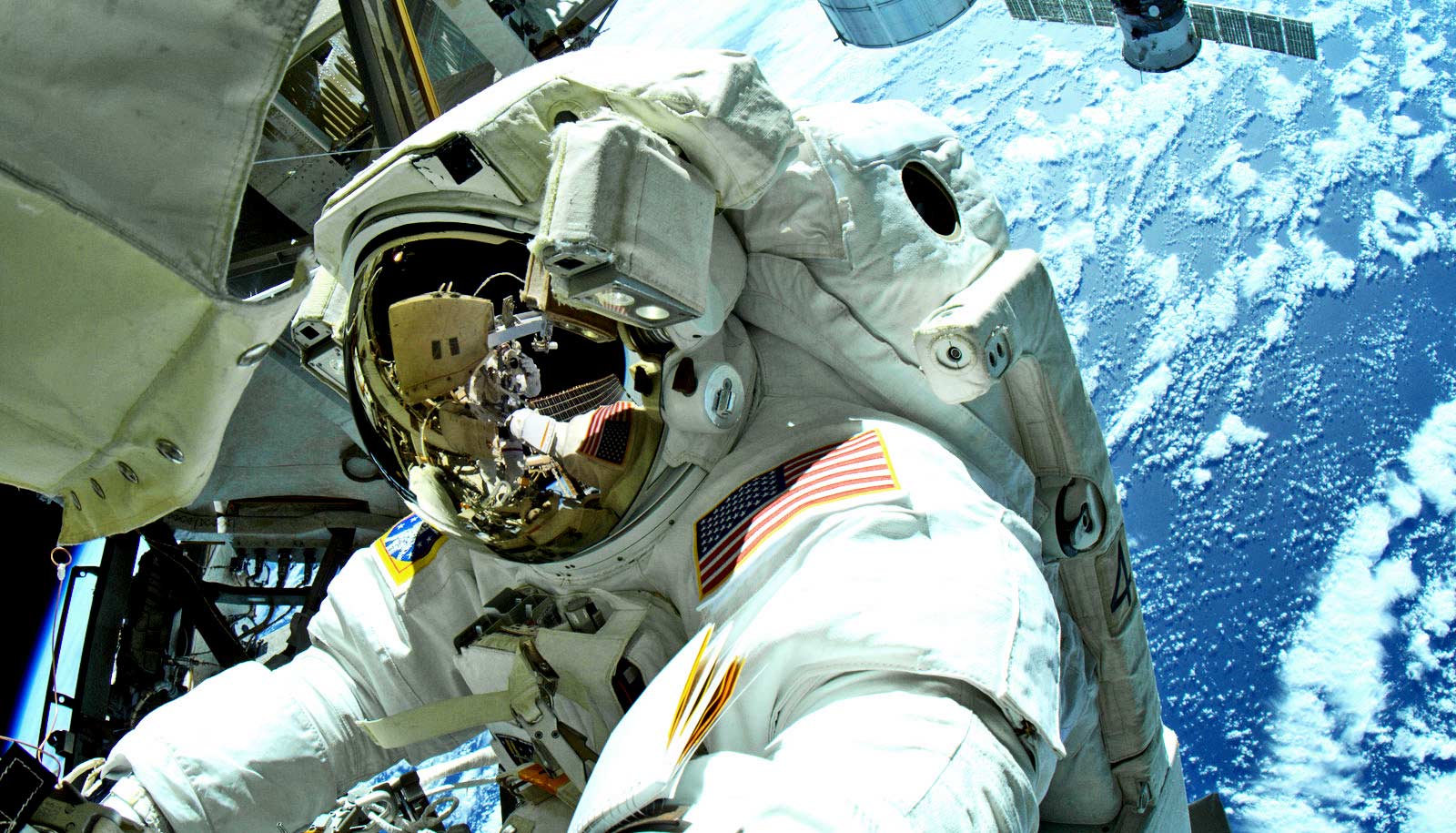
The Hidden Health Challenge of Space Travel: Why Sinus & Nasal Congestion Affects Most Astronauts
For decades, astronauts have quietly battled a surprising issue in the final frontier: sinus and nasal congestion. It’s more than just a minor discomfort. New research reveals that these symptoms are remarkably common,impacting the health and performance of the vast majority of space travelers. This article delves into the science behind this phenomenon, its implications for current and future space missions, and what’s being done to address it.
A widespread Problem: 85% of ISS Astronauts Affected
A groundbreaking collaborative study from Texas A&M University and Houston Methodist Hospital has provided the most complete look yet at sinonasal health in space. Analyzing nearly two decades of medical records (2000-2019) from 71 astronauts, researchers found:
* 60 astronauts (85%) experienced at least one sinonasal medical issue during their missions.
* 75% of astronauts aboard the International Space Station (ISS) reported nasal congestion.
This isn’t simply anecdotal evidence.It’s a statistically significant problem demanding serious attention.
the Science Behind Space Congestion
The root cause? Microgravity. On Earth, gravity naturally pulls fluids downwards, pooling in our legs. In space, this fluid redistribution shifts upwards, leading to:
* Sinus Swelling: Increased fluid in the head causes swelling and pressure within the sinuses – the air-filled cavities in your face and skull.
* eustachian Tube Dysfunction: Pressure changes during spacewalks and suit adjustments can disrupt the function of the Eustachian tube, connecting the ears to the throat.
* resulting symptoms: This manifests as headaches, stuffy noses, congestion, fatigue, and disrupted sleep.
As Faizaan Khan, the study’s first author and a Texas A&M EnMed student, explains, “It really impacts their quality of life.”
Beyond Discomfort: The Impact on Mission Critical Performance
While uncomfortable, the consequences extend far beyond simple annoyance. Unaddressed sinonasal symptoms can substantially impair an astronaut’s ability to perform their duties:
* Decreased Sleep Quality: Congestion and discomfort disrupt restful sleep.
* Impaired Decision-Making: Fatigue and discomfort negatively affect cognitive function.
* Reduced Productivity: Astronauts may be less efficient and effective in their tasks.
“When you’re sending people on one of mankind’s most expensive projects like the ISS to do vital research, every moment is precious,” Khan emphasizes. Maintaining optimal astronaut health is paramount.
The Rise of Space Tourism & Expanding Concerns
This research takes on even greater significance as space tourism gains momentum. The influx of civilian space travelers – who may have pre-existing health conditions - introduces new challenges.
* Broader Health Profiles: Future space travelers won’t necessarily be the peak-condition astronauts of the past.
* Increased Risk: Understanding how space affects common conditions like nasal congestion is crucial for ensuring the safety and well-being of a wider range of individuals.
As Khan points out, “As we expand private space flight, we’ll have more regular citizens with health comorbidities, so it’s important to understand moving forward what the problems are that humanity will face.”
What’s Being Done & Where to Find More Data
This study,published in Laryngoscope Investigative Otolaryngology,led by Masayoshi takashima of Houston Methodist and with contributions from former astronaut David Hilmers,is a critical first step.Further research is needed to develop effective countermeasures, perhaps including:
* Pharmacological interventions: Medications to manage sinus swelling and congestion.
* Physical countermeasures: Techniques to help regulate fluid distribution.
* Improved suit design: Optimizing space suit pressure regulation to minimize Eustachian tube dysfunction.
Resources:
* Original Study: https://doi.org/10.1002/lio2.70229
* Texas A&M University News: [https://stories.tamu.edu/news/2025/10/30/most-astronauts-aboard-iss-suffer-from-sinonasal-congestion-study-finds/](https://stories.tamu.edu/





![Men’s College Basketball Power Rankings: Top 25 Updated – Kentucky, [Date]](https://a3.espncdn.com/combiner/i?img=%2Fphoto%2F2025%2F1224%2Fr1593223_1296x729_16%2D9.jpg "Men’s College Basketball Power Rankings: Top 25 Updated – Kentucky, [Date]")


