
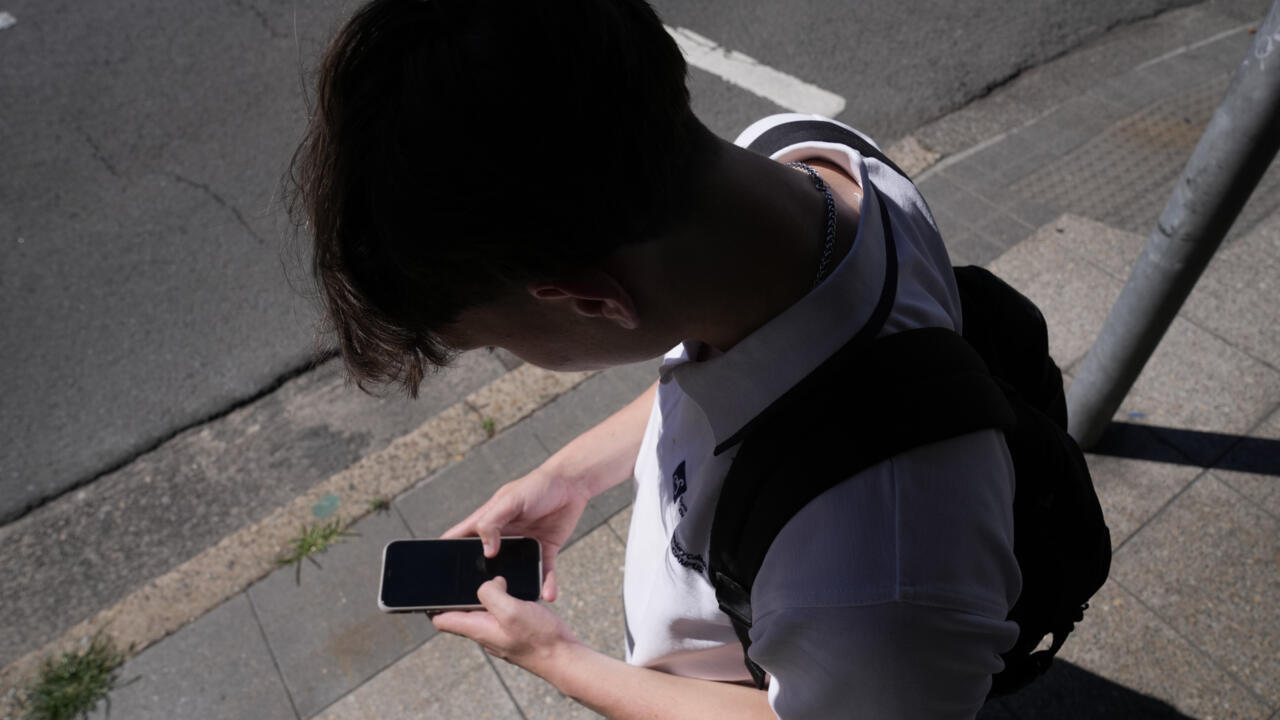
The Growing Global Movement to Restrict Youth Access to Social Media
A significant shift is underway globally, as concerns mount regarding the impact of social media on young people.Several nations are now actively exploring – and implementing – restrictions on children’s access to these platforms. This isn’t about stifling connection, but about safeguarding a generation navigating an increasingly complex digital landscape.
The UK Leads the Charge
recently, the United Kingdom passed legislation requiring social media companies to verify users’ ages. This aims to prevent children under 16 from accessing platforms without parental consent. It’s a landmark decision, and one that’s sparking debate worldwide.
I’ve found that age verification is a surprisingly tricky issue, but it’s a crucial first step in protecting vulnerable users. The goal is to give parents more control and to shield children from potentially harmful content and online interactions.
Why the Concern?
The impetus behind these changes stems from growing evidence linking social media use to:
* Increased rates of anxiety and depression among young people.
* Body image issues fueled by unrealistic portrayals online.
* Cyberbullying and online harassment.
* Exposure to inappropriate content.
* Developmental challenges related to attention spans and social skills.
You might be wondering if these concerns are overblown. However, research consistently demonstrates a correlation between heavy social media use and negative mental health outcomes in adolescents.
Inspiration Spreads: France and Denmark Follow Suit
Undeterred by the challenges of implementation, other countries are taking notice. France is seriously considering a complete ban on social media for children under 15, coupled with a ”digital curfew” for teenagers between 15 and 18, restricting access between 10 pm and 8 am.
Denmark has already announced a similar ban for children under 15. Their digitalization ministry emphasized the need to protect children from harmful content and commercial pressures shaping their lives. Here’s what works best: recognizing that parents and educators can’t tackle this issue alone.
Developing Essential Skills
Experts argue that restricting access isn’t just about shielding children from harm. It’s also about fostering the growth of crucial skills needed to navigate the online world responsibly.
When young people aren’t constantly immersed in social media, they have more opportunities to:
* Develop critical thinking skills.
* Build healthy self-esteem.
* Cultivate real-world relationships.
* Learn to manage their time effectively.
These skills are essential for navigating the complexities of the digital age,and they’re best learned through a balanced approach.
A complex Issue with No Easy Answers
It’s significant to acknowledge that this is a complex issue with no easy solutions. A complete ban isn’t necessarily the answer for every family or every child. However, the growing global movement signals a collective recognition that something needs to change.
Ultimately, the goal is to create a digital habitat that supports the healthy development and well-being of all young people. This requires a collaborative effort from parents,educators,policymakers,and social media companies themselves.


