Navigating the Global Shift: Social Media Restrictions for Young People
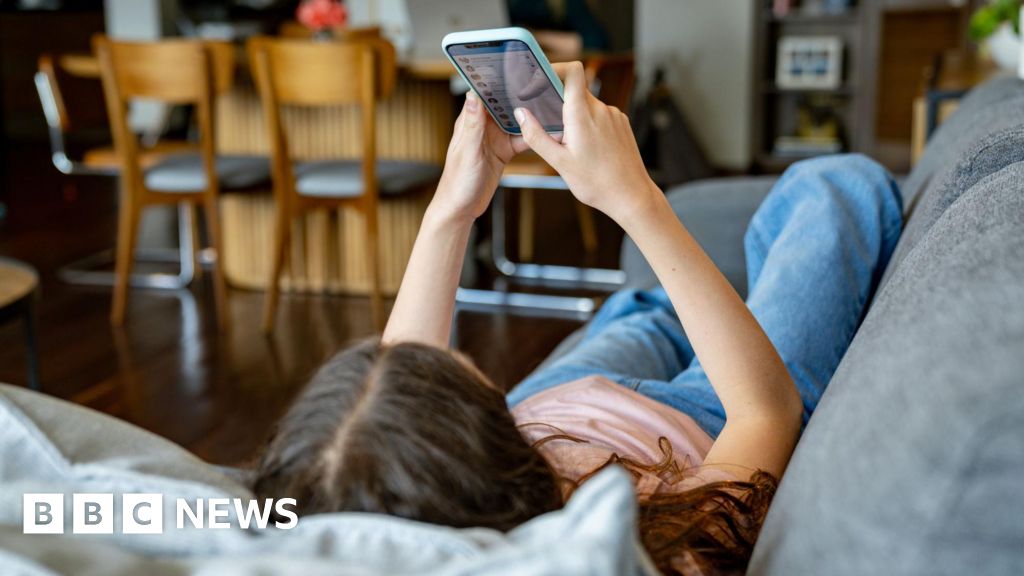
The digital landscape is rapidly evolving,and with it,a growing global conversation about protecting young people online. Recent developments, notably in Australia, highlight a meaningful trend: governments are increasingly intervening to regulate social media access for minors. Let’s break down what’s happening and how it compares to approaches worldwide.
Australia’s New Legislation: A Landmark Decision
Australia recently enacted a law aimed at limiting social media access for individuals under the age of 16. This legislation requires platforms to gain parental consent before allowing younger users to create accounts.It’s a bold step, designed to address concerns about online safety, mental health, and exposure to harmful content.
However, the implementation hasn’t been without its challenges. Meta, the parent company of Facebook and Instagram, voiced concerns that the ban would create inconsistent protections, as many apps aren’t covered. TikTok and Snap, while initially opposing the ban, have pledged to comply with the new regulations. Even Kick, an Australian-based platform, is adapting by implementing new safety measures.
Why the Concern? Understanding the Risks
You might be wondering, what’s driving these changes? The core issue revolves around the potential negative impacts of social media on developing minds. These include:
* Mental Health: Increased rates of anxiety, depression, and body image issues are linked to social media use.
* Cyberbullying: Online harassment and bullying can have devastating consequences for young people.
* Exposure to Harmful Content: Access to inappropriate or perilous content is a significant worry for parents and regulators.
* Addiction & Time Management: Excessive social media use can interfere with school, sleep, and real-life social interactions.
A Global Outlook: how Other Countries Are Responding
Australia isn’t alone in grappling with these issues. Several nations are exploring similar strategies to safeguard their youth. Here’s a look at what’s happening around the world:
* Denmark: Plans are underway to ban social media for anyone under 15.
* Norway: A similar ban is currently under consideration.
* France: A parliamentary inquiry has recommended banning under-15s and implementing a curfew for older teens.
* Spain: A draft law proposes requiring parental authorization for users under 16.
* United Kingdom: New safety rules, implemented in July 2025, hold online companies accountable for protecting young people from harmful content, with potential fines or even jail time for executives who fail to comply.
* United States: An attempt in Utah to restrict social media access for those under 18 without parental consent was blocked by a federal judge in 2024.
YouTube’s Unique Position
Interestingly, YouTube has distanced itself from the label of a “social media company,” despite being included in Australia’s ban.This highlights the complexities of defining these platforms and determining the appropriate level of regulation.
What Does This Mean for You?
As a parent or caregiver, these developments likely raise critically importent questions. It’s crucial to:
* Stay Informed: Keep up-to-date on the latest regulations and guidelines in your region.
* Open Communication: Talk to your children about the risks and benefits of social media.
* Set Boundaries: Establish clear rules and expectations regarding screen time and online behavior.
* Utilize Parental Controls: explore the tools available to monitor and manage your child’s online activity.
* Promote Digital Literacy: Teach your children how to critically evaluate data and navigate the online world safely.
The conversation surrounding social media and young people is far from over. These evolving regulations represent a significant shift in how we approach online safety, and it’s a conversation we all need to be a part of. Ultimately, the goal is to create a digital environment where young people can thrive, protected from harm and empowered to make informed choices.




![Early Type 1 Diabetes Detection: Symptoms & Prevention [Podcast]](https://i0.wp.com/kevinmd.com/wp-content/uploads/Design-2-scaled.jpg?resize=150%2C100&ssl=1 "Early Type 1 Diabetes Detection: Symptoms & Prevention [Podcast]")