
In a surprising shift within the European music landscape, the German listener charts are currently experiencing what can only be described as a musical takeover. For the first time in recent memory, a concentrated surge of talent from neighboring Austria has completely displaced local and international acts from the top of the rankings.
The current standings reveal a remarkable anomaly: every single one of the top eight positions is held by Austrian musicians. This sudden dominance, often referred to as being in “Austro hand,” marks a departure from the usual mixture of domestic German pop and global superstars that typically define the region’s most popular tracks.
This trend highlights a growing intersection between internet culture, social media virality, and regional identity. Rather than traditional radio promotion, these tracks have largely climbed the rankings through digital playlists and social media platforms, reflecting a shift in how audiences discover and consume music in the digital age.
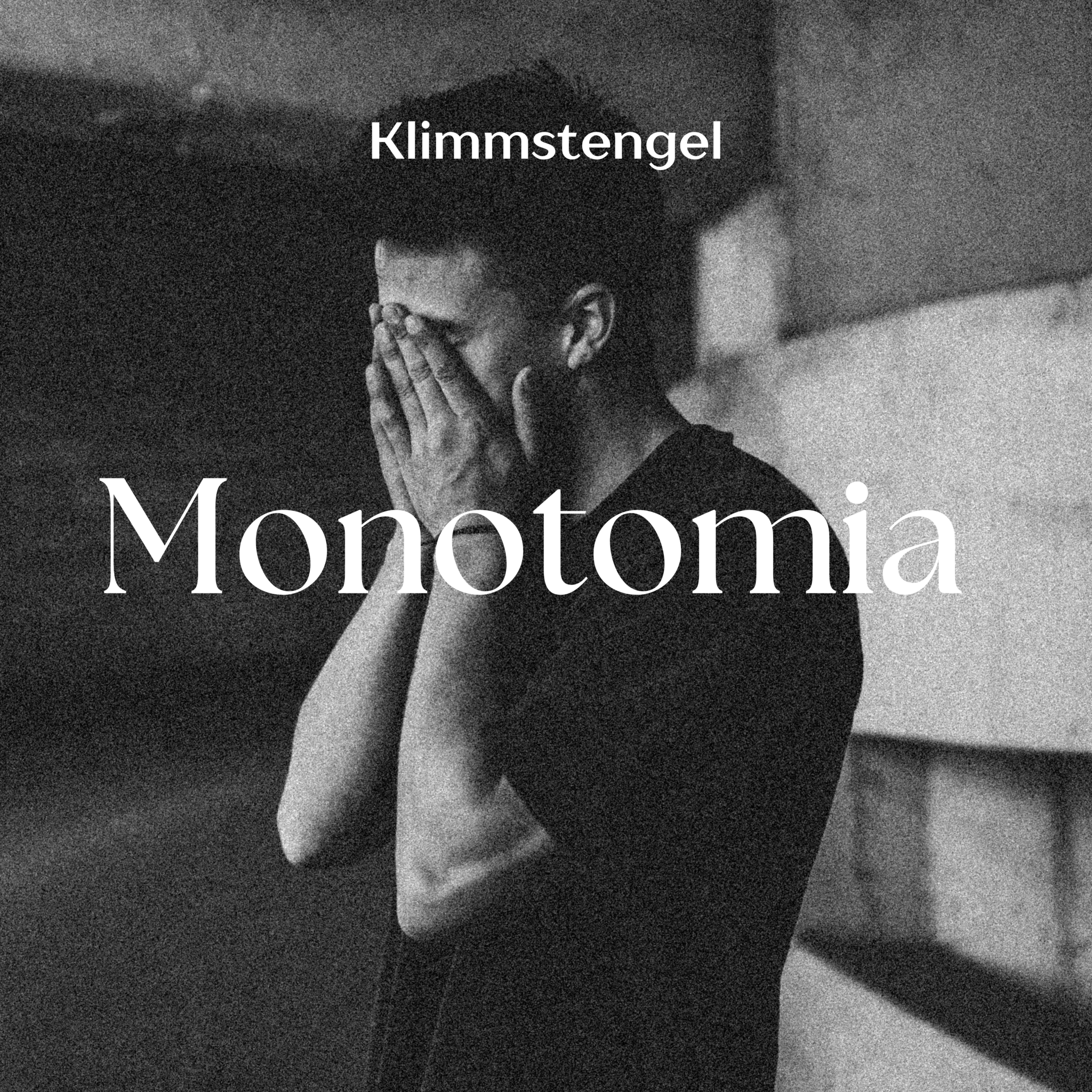
At the pinnacle of this movement is the artist Klimmstengel, whose track “Talahon” has secured the number one spot. The song’s ascent is a textbook example of modern digital growth; characterized as catchy and slightly unconventional, “Talahon” gained significant momentum online before reaching the top of the charts.
The Rise of Digital Virality and Social Media Hits
The success of these artists is not merely a matter of melody, but of strategic visibility. Following closely at number two is the German-Austrian underground musician DJ Feuerapfel, known legally as Niklas Steiner. His track “Schanzen Fest,” which focuses on the German personality known as Drachenlord, has leveraged the power of social media and curated playlists to find a massive audience.

Steiner has cultivated a dedicated following within his specific niche, proving that underground movements can now bypass traditional gatekeepers to achieve mainstream chart success. The “party” atmosphere of his productions aligns with the current listener preference for high-energy, meme-adjacent content that translates well to short-form video platforms.
From Model Management to Chart Dominance
The Austrian streak continues at number three with DJ Dominik Wachta & friends and their track “Cucuy (Behave yourself my child).” Wachta represents a more established presence in the European scene, having already dominated various charts with his album May the bass be with you. He has previously held the number one position in Germany, demonstrating a sustained ability to capture the market.
Wachta, who balances his musical career with work as a model manager, blends club-ready sounds with a layer of irony. “Cucuy” introduces a horror element to his repertoire, centering on a Boogieman-like monster prevalent in Spanish-speaking cultures. This blend of professional production and conceptual eccentricity has helped him build a loyal listener base across Europe.
Humor and Satire in the Top Five
The trend of “ironic” or “trash” music continues at number four, where Skeleton Trap Horse has landed with “The Boop Boop Song.” The track utilizes intentional low-fidelity aesthetics and humor, specifically targeting Donald Trump. This approach of “conscious trash” has proven highly effective in making the song memorable to a global audience that values satire and political commentary in their entertainment.
The collective success of these four artists—and the four who follow them in the top eight—suggests a broader shift in the German listening public’s appetite. There is a clear preference for music that is “internet-native”—songs that are designed to be shared, discussed, and memed rather than just listened to passively.
Key Drivers of the Austrian Chart Surge
| Driver | Impact on Chart Position |
|---|---|
| Social Media Integration | Rapid growth via playlists and short-form video content. |
| Internet-Native Style | Catchy, unconventional sounds that appeal to digital natives. |
| Satirical Content | Use of irony and political humor to increase shareability. |
| Niche Community Building | Underground artists leveraging dedicated fanbases. |
For those tracking the latest shifts in music trends or looking to verify current standings, the Offizielle Deutsche Charts provides comprehensive data on the Top 100 single rankings and emerging trends within the German market.
As the music industry continues to evolve, the current “Austro-hand” phenomenon serves as a case study in how regional artists can utilize global digital tools to disrupt established markets. Whether this dominance is a temporary spike or a sign of a long-term shift in cross-border musical influence remains to be seen.
The music community now awaits the next weekly chart update to notice if the Austrian contingent can maintain their hold on the top eight or if German and international artists will mount a comeback.
Do you think internet virality is more important than musical quality in today’s charts? Share your thoughts in the comments below.