
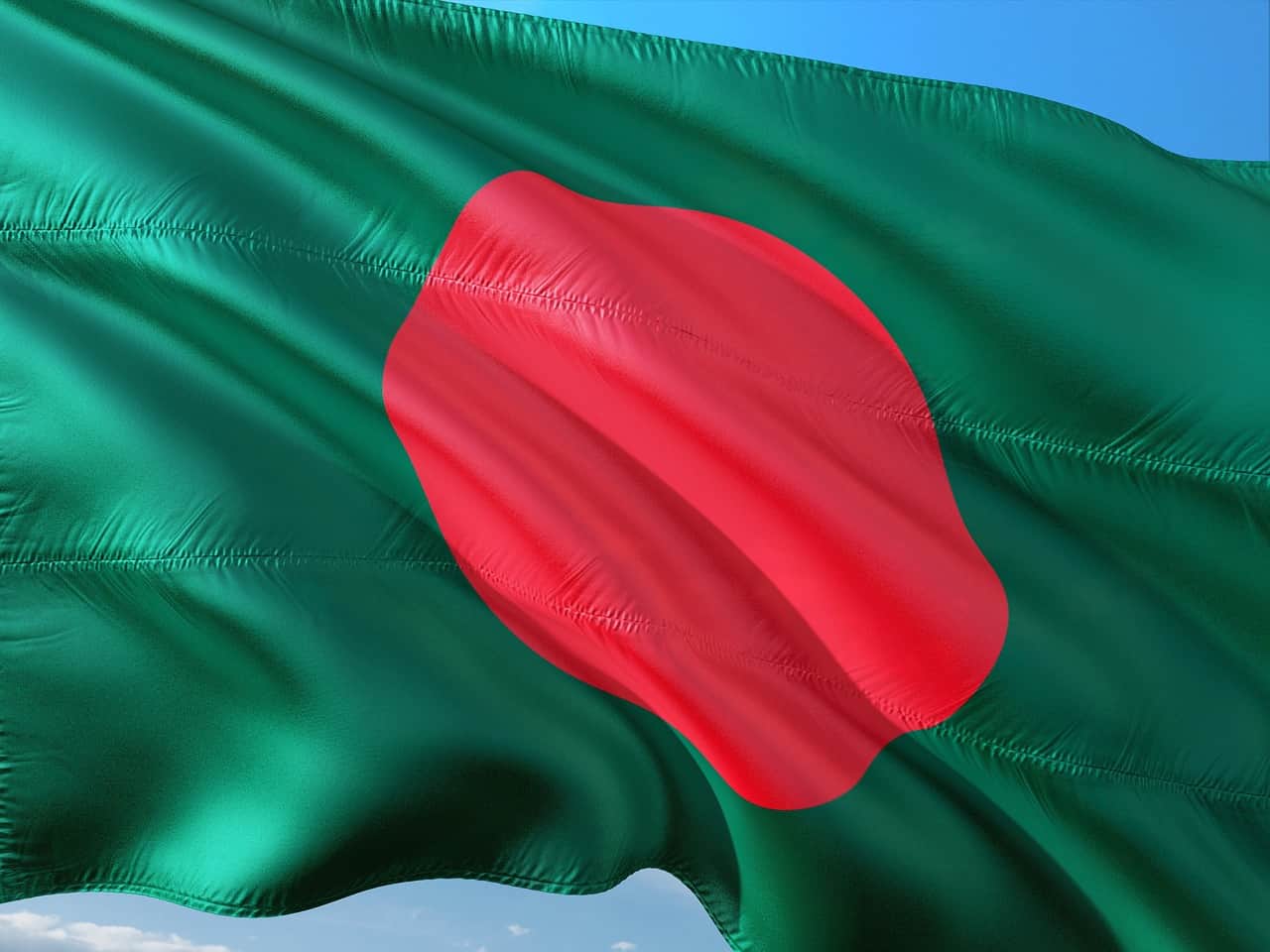
Bangladesh-India Relations Under Strain: Lynching, Protests, and Diplomatic Tensions
The relationship between Bangladesh and India is currently navigating a period of critically important strain, marked by escalating protests, diplomatic summons, and accusations of interference. Recent events, including the tragic lynching of a garment worker in Dhaka and subsequent demonstrations outside bangladeshi diplomatic missions in India, have brought long-simmering tensions to the forefront.This article provides a comprehensive overview of the current situation, its historical context, and potential implications for the future of bilateral relations.
The Spark: A Mob lynching and Allegations of Blasphemy
On December 18th,a garment worker in Bangladesh was brutally lynched after being accused of blasphemy. The incident promptly ignited outrage and sparked protests, not onyl within Bangladesh but also among Hindu nationalist groups in India. While seven suspects have been arrested in connection with the killing, the event has become a focal point for broader anxieties regarding religious freedom and minority rights in bangladesh.
The timing of this incident is particularly sensitive, occurring amidst a backdrop of political instability in Bangladesh following the ousting of former Prime Minister Sheikh Hasina and her seeking refuge in India.This has fueled narratives, particularly within certain segments of the Bangladeshi population, alleging indian involvement in the political upheaval.
Escalating Protests and Diplomatic Fallout
The lynching triggered protests outside the Bangladesh High Commission in New Delhi, with demonstrators waving saffron flags and carrying banners demanding protection for Hindus in Bangladesh. Clashes between protesters and security personnel were reported near the Dhaka outpost, highlighting the intensity of the demonstrations.
In response to these protests,and to previous incidents of alleged vandalism at its visa centers in New Delhi and Siliguri,Bangladesh’s foreign Ministry summoned indian High Commissioner Pranay Verma to express “grave concern.” The Ministry cited “regrettable incidents” and damage to its diplomatic facilities. India, however, has dismissed reports of widespread vandalism as “misleading propaganda,” further exacerbating the diplomatic friction.
Currently, both countries have temporarily suspended visa services – Bangladesh in delhi and India in Chattogram – a clear indication of the deteriorating relationship. The suspension of visa services substantially impacts travel, trade, and people-to-people connections between the two nations.
Political Turmoil and accusations of external Interference
The current crisis is deeply intertwined with the internal political dynamics of Bangladesh. The country has been experiencing significant turmoil as Sheikh Hasina’s departure, with violence marring the lead-up to upcoming elections. The situation is elaborate by accusations of external interference, with some alleging Indian support for opposition groups.
Adding fuel to the fire, Sharif Osman hadi, a parliamentary hopeful and vocal critic of India, was recently shot by masked assailants in Dhaka. Unconfirmed reports suggest the attackers may have fled to India, prompting further accusations and heightening tensions. Furthermore, arson attacks targeting buildings associated with pro-India media outlets and cultural institutions have been reported in Dhaka.
Russia’s Call for De-escalation
Amidst the escalating tensions, Russia has urged both Delhi and Dhaka to mend fences. Russian Ambassador to Bangladesh, Alexander G. Khozin, emphasized the urgency of restoring positive relations, stating, “The sooner this happens, the better,” as reported by the Dhaka Tribune. This intervention highlights the international community’s concern over the potential for further instability in the region.
Historical Context: A Complex Relationship
The relationship between Bangladesh and India has historically been complex, marked by both cooperation and contention. India played a crucial role in Bangladesh’s independence in 1971, but subsequent disputes over issues like water sharing (particularly the Teesta River), border demarcation, and illegal immigration have created friction.
The presence of Rohingya refugees in Bangladesh, and India’s limited role in addressing the crisis, has also been a source of strain. Furthermore, differing geopolitical interests and concerns regarding regional security contribute to the ongoing challenges. https://www.cfr.org/bangladesh/ (Council on Foreign Relations – Bangladesh)
Implications and Future Outlook
The current crisis has significant implications for regional stability and economic cooperation. Continued deterioration in relations could disrupt trade, investment, and security cooperation between the two countries. Bangladesh is a vital trade partner for India, and disruptions could impact economic growth in both nations.
The potential for further escalation, including increased protests, diplomatic expulsions, or even border skirmishes, cannot be ruled out. A constructive dialog, based on mutual respect and understanding, is urgently needed to de-escalate tensions and restore trust. Addressing the underlying issues of religious freedom,





![80-Year-Old Woman Dies in 5-Vehicle Crash – [Location] | News](https://i0.wp.com/www.rte.ie/images/00076d6d-1600.jpg?resize=150%2C100&ssl=1 "80-Year-Old Woman Dies in 5-Vehicle Crash – [Location] | News")
