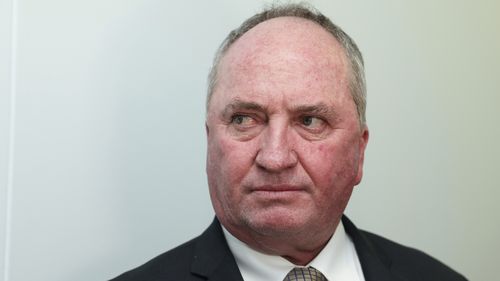
Barnaby Joyce‘s Defection: A Seismic Shift in Australian Politics & The Future of Regional Portrayal
The Australian political landscape experienced a jolt this week with the announcement that Barnaby Joyce, a figure synonymous with the National Party for three decades, has resigned from the party. This isn’t merely a change in party affiliation; it’s a potential realignment of power, raising critical questions about the future of regional representation and the viability of smaller parties in Australian politics. This article delves into the intricacies of Joyce’s decision, the potential ramifications, and the broader context of shifting political allegiances, offering an in-depth analysis for those seeking to understand this pivotal moment. We will explore the implications for the Nationals, One Nation, and the overall balance of power in Parliament.
The Three-Decade Tenure & The Reasons for Leaving
Barnaby Joyce’s departure marks the end of a important chapter in Australian politics. having served as the Member for New England and twice leading the Nationals during Coalition governments, his influence has been considerable. While Joyce’s statement was concise – “After three decades with the National Party, I am resigning” – the underlying reasons are complex. Sources suggest growing frustration with the party’s direction, a perceived drift from its core constituency, and a desire for a more assertive voice in shaping policy.
The Nationals, traditionally the voice of rural and regional Australia, have faced increasing pressure from both the Liberal Party and, more recently, from parties like One Nation, which appeal to similar demographics with a more populist message. Joyce’s move can be interpreted as a signal of dissatisfaction with the Nationals’ ability to effectively champion the interests of regional communities in a rapidly changing political climate. The increasing focus on urban issues and climate change policies within the Coalition, coupled with a perceived lack of responsiveness to the concerns of farmers and rural businesses, likely contributed to his decision.
The One Nation Question: A strategic Calculation or a Political Gamble?
The immediate question following Joyce’s resignation is whether he will join one Nation.He has acknowledged seriously contemplating a Senate run with a minor party in the 2028 election, and One Nation is the most prominent option currently on the table. This potential alliance is fraught with complexities.
One Nation, led by Pauline Hanson, has consistently tapped into anxieties surrounding economic inequality, immigration, and cultural change in regional areas. However, the party also carries significant baggage, including controversies surrounding its funding and internal divisions. A move to One Nation would undoubtedly elevate the party’s profile and possibly secure Joyce a Senate seat, but it also risks alienating moderate voters and undermining his credibility.
Here’s a fast comparison:
| Feature | National Party | One Nation |
|---|---|---|
| Core Constituency | rural & Regional Australia, Agricultural Sector | Disaffected Voters, Regional Areas, Populist sentiment |
| Political Position | Center-Right, Coalition Partner | Populist, Nationalist |
| Policy Focus | Agriculture, Infrastructure, regional Progress | Immigration, Economic Sovereignty, Cultural Preservation |
| Current Senate Representation | 5 | 2 |
Senior Nationals senator Bridget McKenzie has voiced strong reservations, warning that joining One Nation could “undermine” Joyce’s legacy. She emphasized the distinction between being “part of a party of government to get things done” versus joining a ”protest party.” This highlights a basic tension: Joyce’s desire for influence versus the limitations of operating within a smaller,less established party. The question isn’t simply about winning a seat; it’s about whether he can effectively advocate for his constituents and shape policy from the political periphery.
the Broader Implications for Australian Politics
Joyce’s defection has ripple effects extending