
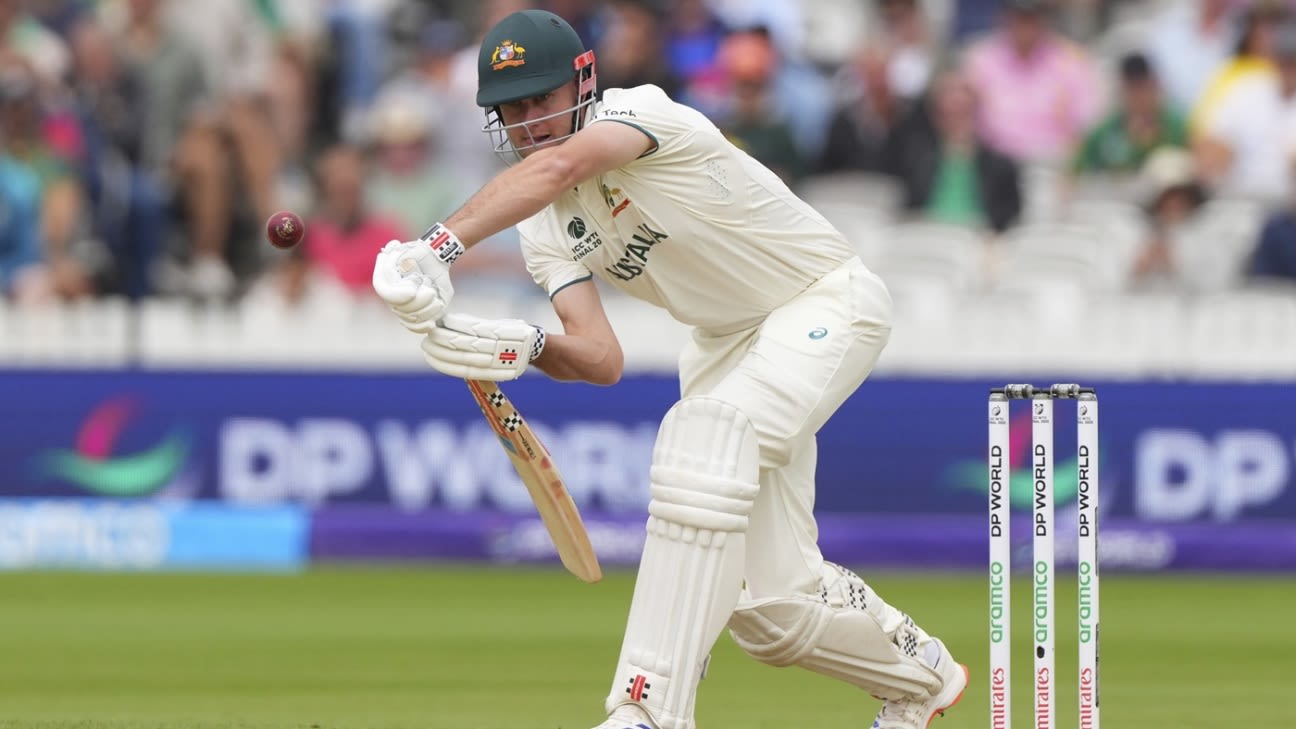
Beau Webster Injury Update & The Australian All-Rounder Landscape Ahead of the Ashes
The Australian cricket season is underway,and wiht the ashes looming,every injury and performance is under intense scrutiny. A recent setback for Tasmania all-rounder Beau Webster - an ankle injury sustained during training - has sparked discussion about the balance of the Australian middle order. But how significant is this injury, and what does it mean for Webster’s Ashes prospects, especially considering Cameron Green‘s return to full bowling fitness? Let’s break down the situation.
Webster ruled Out of Shield Opener, One-Day Cup Return Imminent
Tasmania will be without Beau Webster for their opening Sheffield Shield match against Queensland. While the injury isn’t considered serious, it’s enough to rule him out of the four-day contest. He’s currently being assessed and is expected to be available for Tasmania’s One-Day Cup clash with Queensland on Thursday.
This timing is crucial. Webster had publicly stated his ambition to play all four of Tasmania’s Shield matches leading into the Ashes series, viewing consistent domestic form as vital for maintaining his place in the Australian setup.
A Valuable Contribution, But Is Webster’s Spot Secure?
Webster has impressed since entering the Test arena, accumulating four half-centuries in seven matches – often in challenging batting conditions. However,the return of Cameron Green to full bowling capacity introduces a captivating dynamic.
There’s growing speculation about potential pressure on Webster’s position when England arrives. Green’s ability to contribute with both bat and ball makes him a highly valuable asset, and the australian selectors will be keen to maximize his impact.
The Green Factor: Bowling & Batting Adaptability
Cameron Green is anticipated to be back to unrestricted bowling duties in time for the ashes. This growth significantly alters the equation. Depending on how other players perform in the top order,there’s a real possibility of Green being moved down the batting lineup.
Interestingly, he’s also been touted as a long-term candidate for the crucial No. 3 position, a role he finished strongly against the West Indies. If Green secures that spot, it opens the door for both he and Webster to feature in the same XI, creating a powerful batting and bowling combination.
Webster’s Viewpoint: A Team-First Approach
Webster himself has expressed his desire to play alongside green.”It’s one thing that’s coming up a lot is obviously Greeney’s back bowling and I’ve got my chance, I supposed, through him being a batter only,” he recently told ESPNcricinfo. “He was an allrounder for Australia for years… I’d love to see both of us in the team. If you’re scoring runs in the top six batters for Australia if you can bowl it’s a bonus.”
He emphasizes the value of versatility, stating, “Absolutely I’d love to play in a team with Greeney. He’s a fantastic batter. I really hope he bangs it out of the park at the top of the order and I can stay at No. 6 and we can both contribute with the ball and in the field and win games for Australia.” This team-first attitude is a testament to Webster’s character and his commitment to Australian cricket.
Recent Form: Webster Making a Case
Before the ankle injury, Webster was demonstrating excellent form in the domestic One-Day Cup, claiming five wickets in two matches and scoring a brisk 81 off 95 balls against Victoria. This strong start to the season underscored his value as a genuine all-rounder and reinforced his claims for continued selection.
Evergreen Insights: The Evolving Role of the Australian All-Rounder
The Australian cricket team has a rich history of impactful all-rounders, from Keith Miller to Richie Benaud and more recently, Shane Watson and Mitchell Marsh. The modern game demands even greater versatility, with all-rounders expected to contribute significantly with both bat and ball.
The current situation with Webster and Green highlights this evolution. The ability to bowl alongside batting prowess provides crucial tactical flexibility, allowing captains to control the game’s tempo and exploit favorable conditions. Selectors are increasingly valuing players who can seamlessly transition between roles, adding depth and balance to the team. The debate isn’t simply about if an all-rounder plays, but how they best fit into the overall team strategy. This is a trend that will continue to shape Australian cricket for years to come. [Australian Cricket History – Cricket Australia](https://www.cricket.com.




![Flawless Victory: How to Execute a Perfect Game Plan | [Industry/Niche] Strategies](https://i0.wp.com/ufc.com/images/styles/card/s3/2025-12/012321-Dustin-Poirier-Reacts-HERO-GettyImages-1298059657.jpg?resize=330%2C220&ssl=1 "Flawless Victory: How to Execute a Perfect Game Plan | [Industry/Niche] Strategies")


