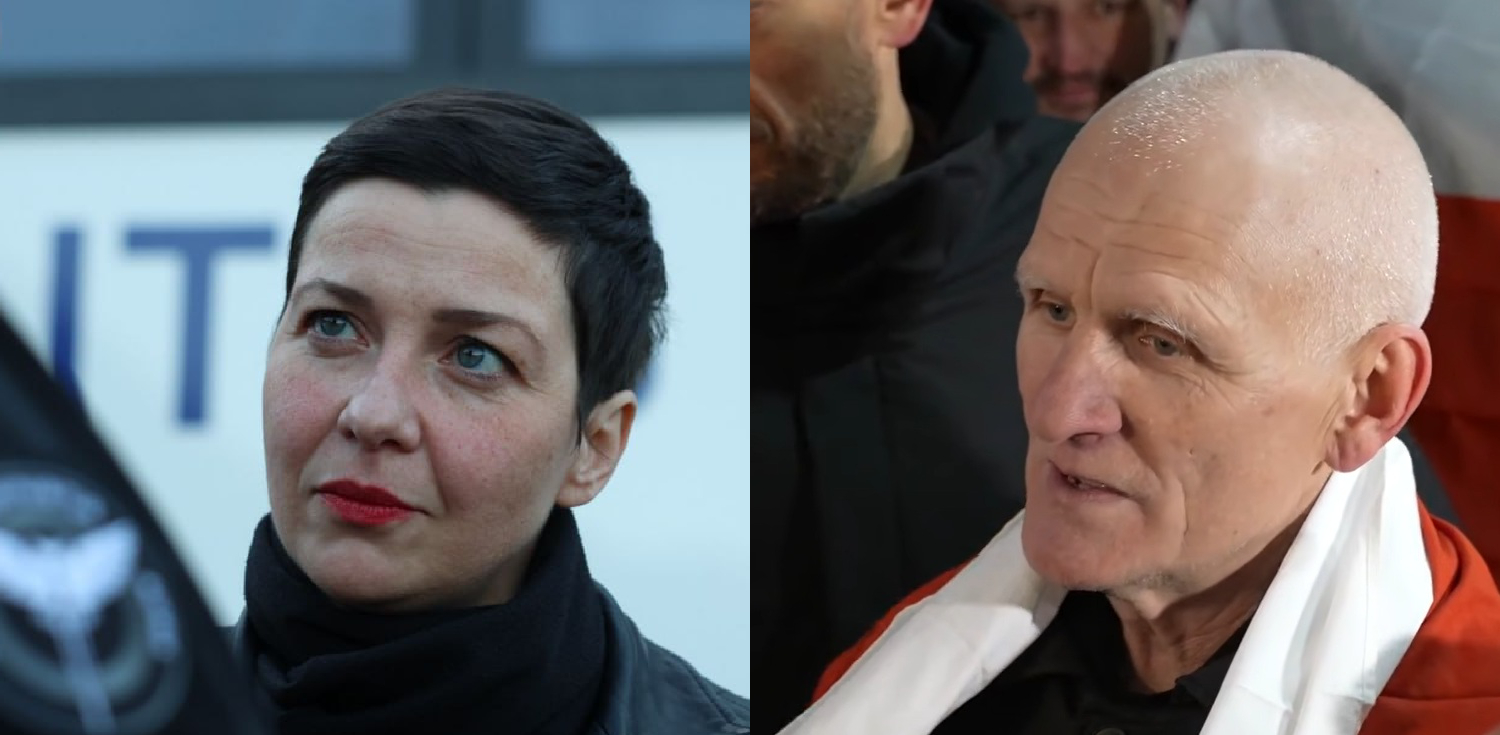
Belarusian Authorities Release Prominent Prisoners, But Systemic Repression Remains: An Amnesty International Analysis
December 13, 2025 – Today, Belarusian authorities released 123 individuals, including Nobel Peace Prize laureate Ales Bialiatski and prominent opposition figure Maryia Kalesnikava. While Amnesty International welcomes this development, we emphasize that it represents only a small step towards genuine justice and doesn’t dismantle the deeply entrenched system of political repression within Belarus. This release, reportedly linked to an agreement easing sanctions on the countryS potash exports, underscores a troubling pattern of using individuals as political bargaining chips.
As Marie Struthers, director for Eastern Europe and Central Asia at Amnesty International, explains: “We welcome reports that Maryia Kalesnikava and Ales Bialiatski are among those freed. But let’s be clear: this release doesn’t erase a system that still holds hundreds, if not thousands, of others languishing behind bars merely for speaking out.”
A Fragile Victory – What You Need to Know
This release is undeniably positive for those directly impacted. However, it’s crucial to understand the broader context. Here’s a breakdown of the key takeaways:
* Limited Scope: Hundreds of political prisoners remain unjustly detained in Belarus. This release addresses only a fraction of the overall problem.
* Political Motivation: The timing and conditions surrounding the release strongly suggest a political trade-off, raising concerns about the Belarusian authorities’ disregard for fundamental human rights.
* Lack of Accountability: No officials responsible for the wrongful imprisonment and abuse of these individuals have been held accountable. This impunity perpetuates the cycle of repression.
The Cases of Maryia Kalesnikava and ales Bialiatski: A History of Injustice
To fully grasp the significance of this release, it’s significant to understand the journeys of these two individuals:
* Maryia Kalesnikava: Abducted in September 2020 by masked agents, Kalesnikava bravely resisted forced deportation by tearing up her passport. She was later arrested on fabricated charges of “undermining national security” and sentenced to 11 years in prison in September 2021.
* Ales Bialiatski: A leading human rights advocate and founder of the viasna Human Rights Center, Bialiatski was convicted in 2023 on politically motivated charges of “tax evasion” and “financing actions deemed to violate public order.” he was serving a 10-year sentence when released today.
These cases, and countless others, demonstrate the belarusian government’s systematic crackdown on dissent and its willingness to weaponize the legal system against its critics.
Beyond Release: The Path to True Justice
Amnesty International believes that release is only the first step. True justice demands more. We call for:
* Full Reparations: Maryia, Ales, and all those freed today deserve extensive reparations for the ordeal they have endured. This includes medical care, psychological support, and financial compensation.
* Accountability for Perpetrators: Every official suspected of involvement in these wrongful imprisonments – regardless of their rank – must be investigated and held accountable for their actions.
* Unconditional Release of Remaining Prisoners: Individuals like marfa Rabkova, Nasta Loika, and the many others unjustly jailed on politically motivated grounds must be released promptly and unconditionally.
* End to Political Bargaining: The fate of political prisoners should never be subject to backroom deals or used as leverage in international negotiations.
The Bigger Picture: Ongoing Repression in Belarus
The release of these 123 prisoners doesn’t signal a broader shift towards respect for human rights in belarus. As Amnesty International documented in September 2025,the release of 52 prisoners earlier this year,while welcome,was similarly unaccompanied by any meaningful accountability or systemic change.
The Belarusian authorities continue to employ a wide range of repressive tactics, including:
* Arbitrary arrests and detentions
* torture and other ill-treatment
* Unfair trials
* Restrictions on freedom of expression and assembly
* Suppression of civil society organizations
What Can You Do?
You can help amplify the call for justice in Belarus. Here’s how:
* Stay Informed: Continue to follow developments in Belarus and share information wiht