
Belarus’s Released Prisoners: A Glimpse of Hope Amidst Ongoing Repression
The recent release of prominent Belarusian prisoners, facilitated by the united States, offers a fragile beacon of hope in a nation gripped by political turmoil. However, this development is layered with complex negotiations and underscores the continued plight of hundreds still imprisoned by the Lukashenko regime. This situation demands a nuanced understanding of the dynamics at play and a sustained commitment to securing the freedom of all political detainees.
A Calculated Exchange
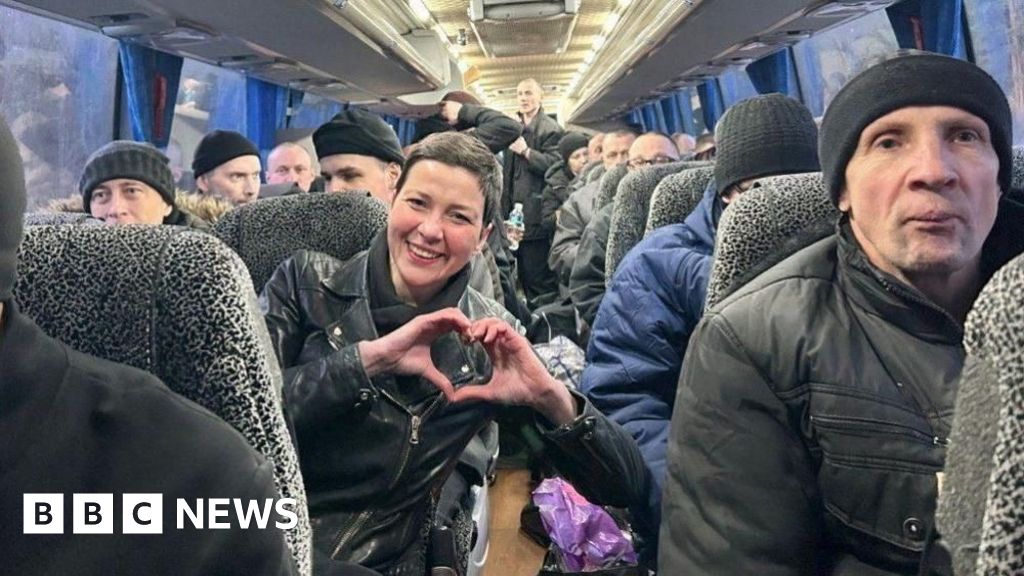
Initially, several opposition figures, including Masha Kolesnikova, were unexpectedly transferred from Belarusian prisons to Ukraine – a move into an active war zone. This action, widely interpreted as a deliberate tactic by President Lukashenko, delayed long-awaited family reunions and signaled a continuation of his power plays.
The release of Ales Bialiatski, a veteran human rights activist, from four years of imprisonment, was met with jubilant scenes outside the U.S. embassy. He emerged gaunt and visibly shaken, still wearing his prison attire, after a journey across Belarus blindfolded. His immediate desire was simple: to reunite with his wife, who was en route to meet him.
The West’s Role and the Art of Negotiation
The situation raises critical questions about the West’s approach to Belarus. While figures like Svetlana Tikhanovskaya advocate for maximum pressure on Lukashenko, the reality involves a delicate process of negotiation.
It’s a balancing act. Offering concessions, even temporarily, is viewed by some as a necessary step to secure the release of prisoners. However, the concern remains that such actions could be perceived as rewarding a repressive regime.
As one observer noted, President Trump’s strategy now involves both “carrots and sticks.” Sanctions,while potentially eased,can always be reimposed if the situation deteriorates.
Beyond the Headlines: The Unseen Suffering
Bialiatski, founder of the Viasna Human Rights Centre, which meticulously documents political detentions in Belarus, immediately turned his attention to those left behind. He emphasized that hundreds of individuals, less known than himself, remain unjustly imprisoned.
You shoudl understand that his release isn’t an isolated victory. It’s a call to action. Continued advocacy and pressure are vital to secure the complete release of all political prisoners.
A Message of Resilience
Despite the emotional toll of his imprisonment and the uncertainty that lies ahead, Bialiatski delivered a powerful message to the Belarusian people. Lifting the red and white flag – a symbol of the democratic opposition – he offered two words of encouragement: ”Optimism and activism.”
He urged Belarusians to “never give up!” This sentiment encapsulates the enduring spirit of resistance within the country.
Looking Ahead: Sustaining the Momentum
The release of these prisoners is a positive development, but it’s crucial to avoid complacency. Here’s what needs to happen:
* continued Advocacy: Maintain pressure on the Belarusian government through diplomatic channels and international organizations.
* Support for Viasna: provide resources and support to organizations like Viasna, which are documenting human rights abuses and providing assistance to political prisoners and their families.
* Raise Awareness: Keep the plight of Belarusian political prisoners in the public eye.
* Demand Accountability: Hold the Lukashenko regime accountable for its human rights violations.
Ultimately, the future of Belarus hinges on the resilience of its people and the unwavering support of the international community.The path to freedom will be long and arduous, but the spirit of optimism and activism, as embodied by Ales Bialiatski, offers a glimmer of hope for a more democratic future.


