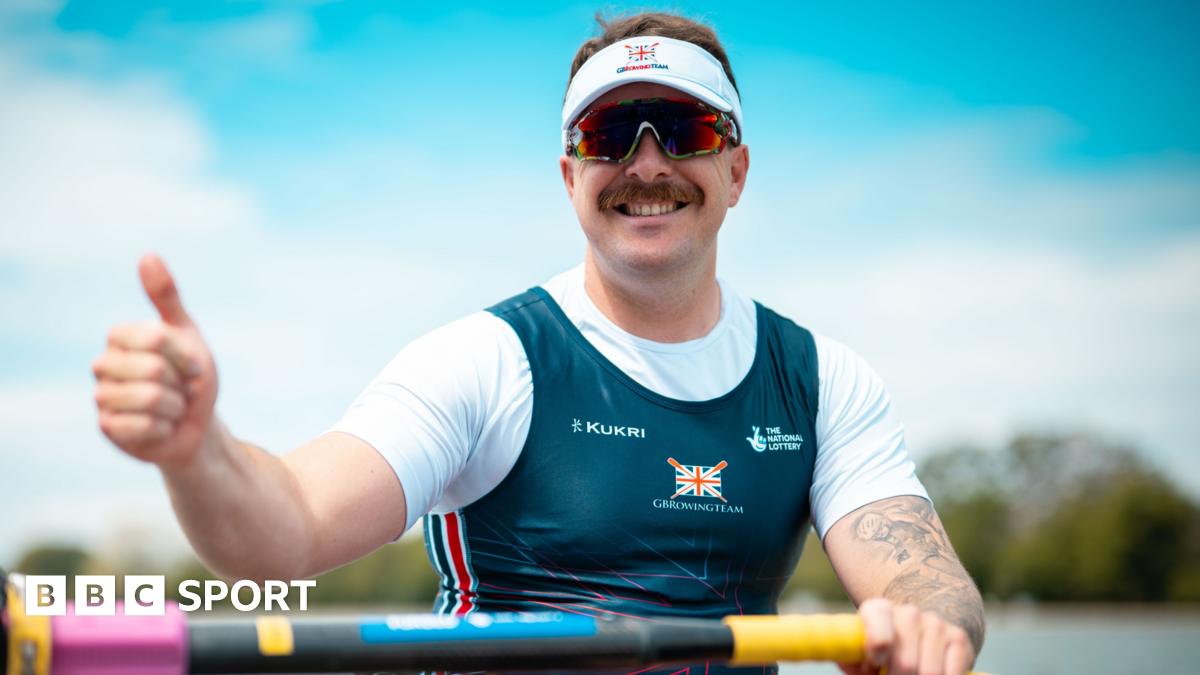
The Independent Path: Examining Sam Pritchard‘s rowing Controversy & Pursuit of Peak Performance
The world of elite sports is often painted with a brush of centralized training and unwavering conformity. But what happens when an athlete chooses a different route, prioritizing personal wellbeing and a connection too home, even if it means stepping away from the established system? This is precisely the situation facing Sam Pritchard, a rising star in Great Britain’s rowing scene.His decision to train independently, away from the national squad, has sparked discussion and raised questions about the future of athlete support. This article delves into the controversy surrounding Pritchard’s choice, exploring the challenges, benefits, and potential implications for other athletes.
The shift Away from Centralization: Why Wales?
For years, the standard model for Olympic-level rowing has involved athletes relocating to centralized training centers, like the National Training Center in Caversham, Reading. This provides access to world-class coaching, facilities, and a supportive team environment. Though, Pritchard felt disconnected. He made the bold decision to return to Wales, basing his training at David Lloyd swansea on the River Tawe.
This wasn’t a simple lifestyle choice. It was a calculated risk. “I’ve taken a risk,” Pritchard stated, “But it’s made a massive difference – I’m a happier person. Being closer to Wales, closer to family, it’s where I belong.” But why would an athlete at the peak of their career willingly sacrifice the advantages of a fully funded, centralized program? The answer, it truly seems, lies in the power of belonging and the importance of mental wellbeing.
The Challenges of Going Solo: Resourcefulness & Resilience
Training outside the GB setup isn’t without its hurdles. Pritchard now relies heavily on a network of volunteers – a volunteer coach, helpers for getting in and out of the water – and faces a 45-minute drive to reach training facilities. This contrasts sharply with the readily available resources at Caversham.
This situation highlights a critical debate: how much responsibility should national governing bodies have for supporting athletes who choose alternative training paths? Is the current system flexible enough to accommodate individual needs, or does it prioritize conformity over personalized performance optimization? The lack of readily available support forces Pritchard to maximize every session, demonstrating remarkable dedication and resourcefulness.
Performance & Wellbeing: Is Independence Paying Off?
Despite the challenges, early indications suggest Pritchard’s independent approach is yielding positive results. He reports feeling happier and more focused, which translates to improved performance. This aligns with growing research emphasizing the link between mental health and athletic success.
Here’s a fast comparison of the centralized vs. independent training models:
| Feature | Centralized Training (e.g., Caversham) | Independent Training (e.g., Pritchard’s Model) |
|---|---|---|
| coaching | Dedicated, full-time coaches | Volunteer or self-directed coaching |
| Facilities | World-class, on-site facilities | Access to local facilities (e.g., David Lloyd) |
| Support Staff | Physiotherapists, nutritionists, psychologists | Reliance on personal network & self-management |
| Wellbeing | Potentially isolating, focus on performance | Prioritized, connection to home & family |
This raises a crucial question: