
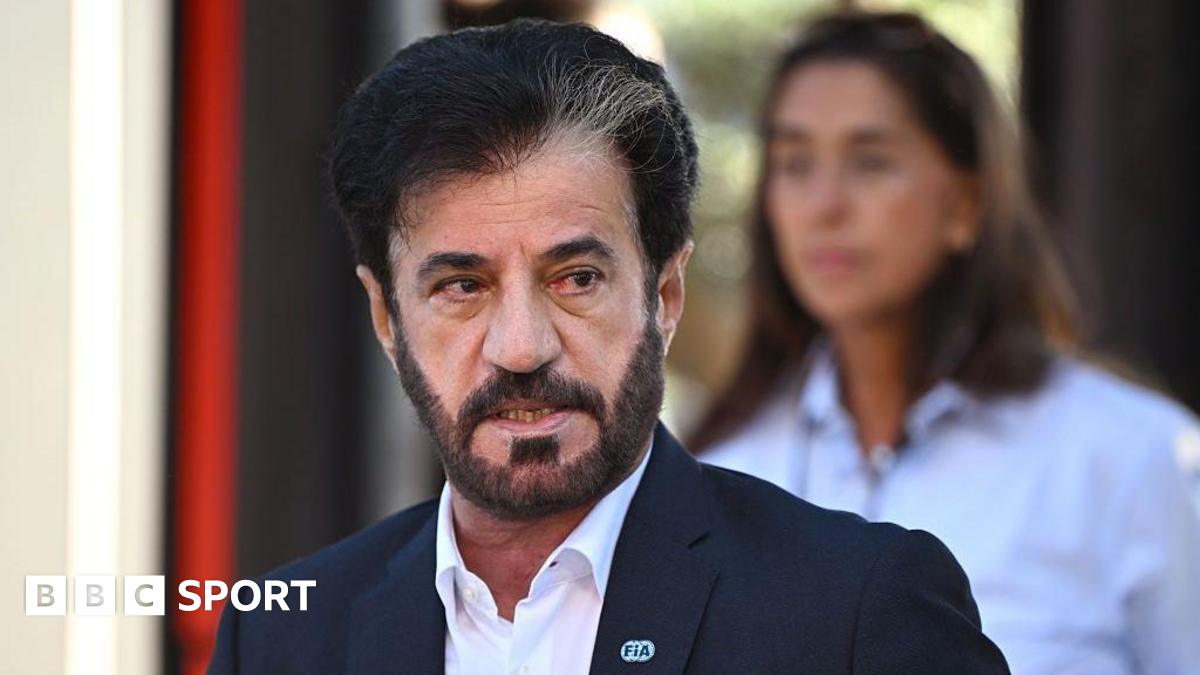
Is the FIA Presidential Election Rigged? Concerns Mount Over Fairness and Openness
The upcoming Fédération Internationale de l’Automobile (FIA) presidential election is facing increasing scrutiny, with serious allegations questioning the fairness and democratic process. While the FIA publicly champions “the highest standards of governance, transparency and democracy,” recent developments suggest a system possibly tilted in favor of incumbent Mohammed Ben Sulayem. But how valid are these claims, and what does this mean for the future of motorsport?
The Core of the Controversy
The concerns centre around the structure of the FIA’s election process, specifically the requirement for presidential candidates to present a full slate of seven vice-presidents. These VPs must be drawn from a pre-defined list of World council nominees. Critics argue this system inherently disadvantages challengers, effectively allowing the current president to control the outcome.
Robert Reid, former FIA Vice-President of Sport, publicly voiced these concerns in a recent LinkedIn post. He argues that if the incumbent already has influence over the nominees – through persuasion, pressure, or promises – a genuine challenge becomes nearly unachievable. “The process looks democratic, but in practice it locks the door from the inside,” Reid stated. https://www.linkedin.com/pulse/how-can-election-over-before-begins-robert-reid-usmme/?trackingId=QknuRYvJ/X/5rNQ27xIe9w==
Essentially, the system creates a pre-approved pool of candidates, limiting the ability of challengers to build a competitive team. This raises a basic question: is this truly a democratic election, or a carefully orchestrated continuation of the status quo?
Doubts Over Nominee Eligibility
Adding fuel to the fire, questions have emerged regarding the eligibility of Daniel Coen, Ben Sulayem’s nominee for Vice-President for Sport representing North America. FIA statutes stipulate that world Council members should represent countries actively hosting international motorsport events. Costa Rica, where Coen is from, currently does not host such events.
This raises concerns about whether the nomination adheres to the FIA’s own rules. While the FIA has yet to publicly address these concerns, the situation further erodes confidence in the integrity of the process.
What Does This Mean for You,the Motorsport Fan?
A compromised election process has far-reaching implications. A lack of genuine competition could stifle innovation, accountability, and progress within the FIA.This impacts everything from Formula 1 regulations to safety standards in grassroots racing.
* Reduced Accountability: Without a real challenge, there’s less pressure on the leadership to address concerns and improve governance.
* Stagnation of Innovation: New ideas and perspectives may be sidelined, hindering the evolution of the sport.
* Erosion of Trust: A perceived lack of fairness damages the FIA’s credibility and the public’s faith in motorsport’s governing body.
The FIA’s Response (or Lack Thereof)
Despite repeated inquiries from BBC Sport and other media outlets, the FIA has remained largely silent on these allegations.Mohammed Ben Sulayem himself has declined to comment. this lack of transparency only exacerbates the concerns and fuels speculation. A proactive and transparent response from the FIA is crucial to restoring confidence in the election process.
Recent Developments & Context (October 2024)
Recent reports indicate growing discontent within the FIA, with several key figures expressing concerns about the direction of the organization under ben Sulayem. A recent survey conducted by Motorsport.com (October 15, 2024) revealed that 68% of motorsport professionals believe the FIA needs significant governance reform. https://www.motorsport.com/fia/news/fia-governance-reform-survey-results/10548891/ This sentiment underscores the urgency of addressing the current issues.
Furthermore,the controversy coincides with ongoing debates about the commercial future of Formula 1 and





