
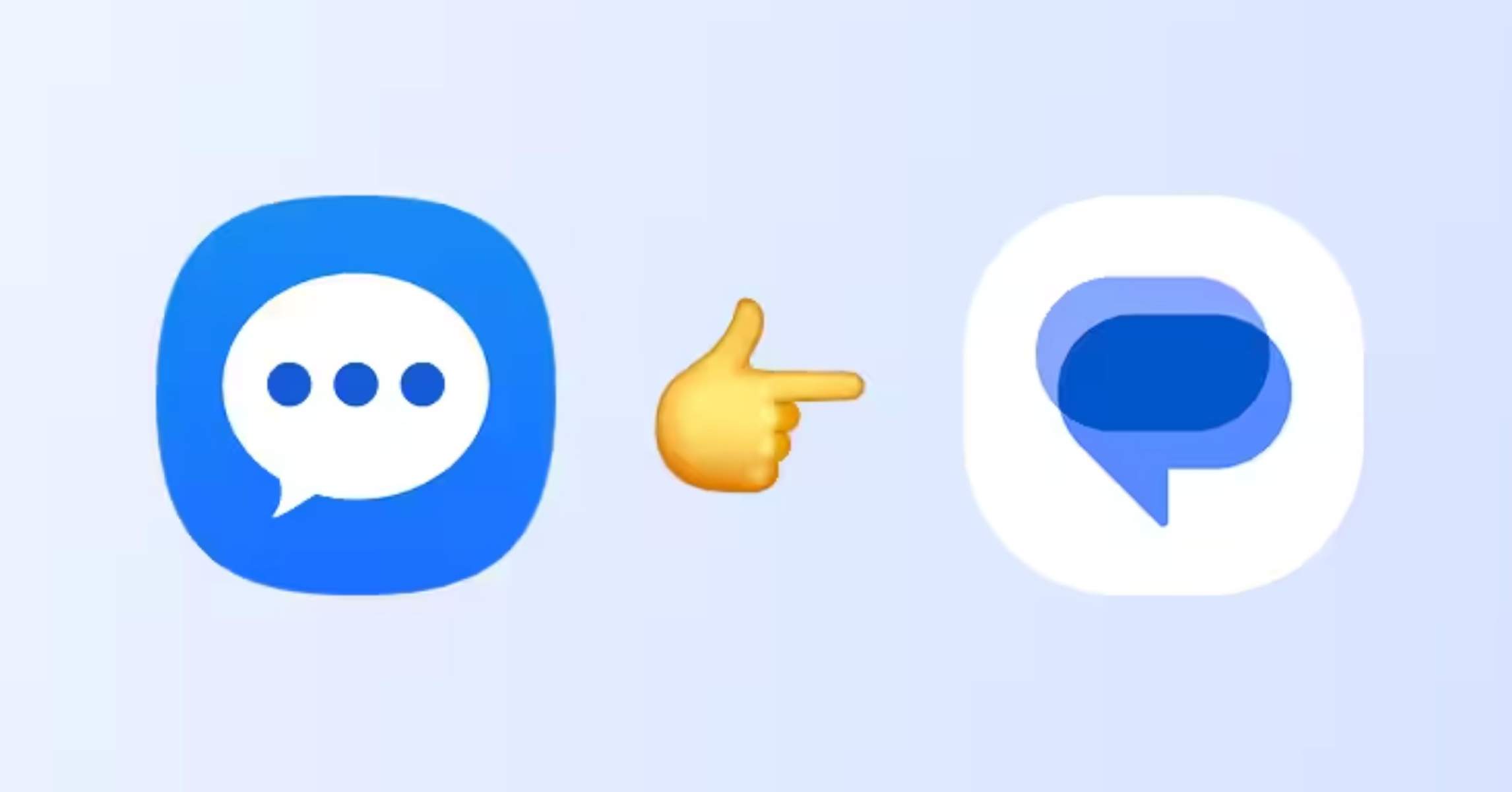
Samsung Galaxy users in the United States are facing a significant change to their daily communication habits. The tech giant has announced that We see saying goodbye to its namesake texting app, leaving millions of users to find a new home for their SMS and MMS conversations. For those currently relying on the pre-installed software, identifying the best Samsung Messages alternative is no longer just a matter of preference, but a necessity for maintaining a modern messaging experience.
According to an end-of-service announcement published on Samsung’s U.S. Support website, Samsung Messages will be discontinued in July 2026 reported by AP News. The company is directing impacted users to switch to Google Messages to ensure a consistent messaging experience across the Android ecosystem. While the transition may feel abrupt, the move aligns Samsung more closely with the broader Android operating system, which is developed by Google.
As a journalist with a background in software engineering, I have seen many “app consolidations” over the years. Often, these moves are framed as streamlining, but the real driver is usually a shift in underlying technology. In this case, the driver is the industry-wide adoption of Rich Communication Services (RCS), a protocol designed to replace the aging SMS standard and bring Android texting up to parity with iMessage.
The Case for Google Messages as the Primary Choice
For the vast majority of Galaxy owners, Google Messages is the only logical successor. The primary reason is the integration of RCS (Rich Communication Services). Unlike traditional SMS, RCS allows for high-resolution photo and video sharing, typing indicators, and read receipts. Crucially, RCS now enables improved communication between Android and Apple iOS devices, reducing the long-standing friction of cross-platform group chats.

Beyond basic texting, Samsung notes that switching to Google Messages grants users access to advanced artificial intelligence features powered by Google’s Gemini. These include AI-powered reply suggestions and an experimental feature called “Remix,” which allows users to generate images directly within their conversations via AP News. For users who want their phone to feel “smart,” these additions make the transition more of an upgrade than a loss.
Evaluating Other Alternatives: SMS vs. OTT Apps
When searching for the best Samsung Messages alternative, users often encounter two different categories of apps: third-party SMS clients and Over-the-Top (OTT) messaging services.
Third-party SMS apps, such as Textra, offer high levels of customization and a different aesthetic. However, these apps generally lack access to RCS. Choosing a non-RCS app means reverting to an “old school” messaging experience—meaning no typing indicators, no read receipts, and low-resolution media sharing. In an era where most contacts expect a rich media experience, using a basic SMS client can make the user a “frustrating force” in group conversations.
OTT services like WhatsApp, Telegram, and Signal provide robust feature sets, including end-to-end encryption and massive group capacities. These are excellent tools for privacy and global communication, but they are not direct replacements for a default texting app because they require every single contact to have the app installed. They do not function as a standard SMS/MMS gateway for your phone number in the way Google Messages does.
| Feature | Google Messages | Third-Party SMS (e.g., Textra) | OTT Apps (e.g., WhatsApp) |
|---|---|---|---|
| RCS Support | Yes | No | N/A (Proprietary) |
| Standard SMS/MMS | Yes | Yes | No |
| Cross-Platform (iOS) | High (via RCS) | Low (SMS only) | High (App required) |
| AI Integration | Yes (Gemini) | Minimal/None | Varies by App |
Who is Affected and How to Switch
not every Samsung user needs to worry about this change. Samsung has clarified that users running older versions of the Android operating system—specifically Android 11 or older—will not be impacted by the end of Samsung Messages via AP News. Users can verify their current version by navigating to the settings app, selecting “software information,” and scrolling to “Android version.”
For those who are impacted, the transition process is designed to be seamless. Samsung is providing in-app notifications to guide users through the switch. If you prefer to take manual action, the steps are as follows:
- Download Google Messages from the Google Play Store if it is not already installed on your device.
- Open the app and follow the on-screen prompts.
- Set Google Messages as the “Default” messaging app when prompted by the system.
Key Takeaways for Galaxy Users
- Deadline: Samsung Messages will be discontinued in the U.S. In July 2026.
- Recommended Path: Google Messages is the primary recommended alternative due to RCS and AI integration.
- The RCS Advantage: Switching ensures high-quality media sharing and better interoperability with iPhones.
- Exemptions: Devices running Android 11 or older are not affected.
- OTT Options: Apps like Signal or WhatsApp are great for specific groups but cannot replace the system-wide SMS function.
The move toward a unified messaging experience on Android is a logical step for the industry. While losing a dedicated Samsung app may feel like a loss of choice, the gain in functionality—specifically through RCS and Gemini AI—outweighs the sentiment. By consolidating the experience, Google and Samsung are effectively removing the “green bubble” friction that has plagued Android users for over a decade.
The next major milestone for impacted users will be the final discontinuation date in July 2026. Until then, Samsung encourages users to make the switch early to avoid any disruption in service. We encourage our readers to share their experiences with the transition in the comments below—are you embracing the AI features of Gemini, or do you miss the Samsung-specific interface?