Teh Unbelievable Survival: When a Baby Bit Back - A Deep Dive into Snakebite Resilience and India’s Silent Epidemic
Have you ever heard of a baby biting a snake, let alone surviving? It sounds like a fable, yet a recent incident in Bihar, India, has captivated the world. This extraordinary story isn’t just a bizarre anomaly; it’s a window into the complex interplay between venom, the human body, and a tragically common public health crisis. Coudl this case unlock new understandings of venom neutralization? And what can be done to address the escalating number of snakebite deaths in India? Read on to discover the unbelievable details, the science behind the survival, and the urgent need for preventative measures.
A Tiny Hero in West Champaran: The Story of Govind Kumar
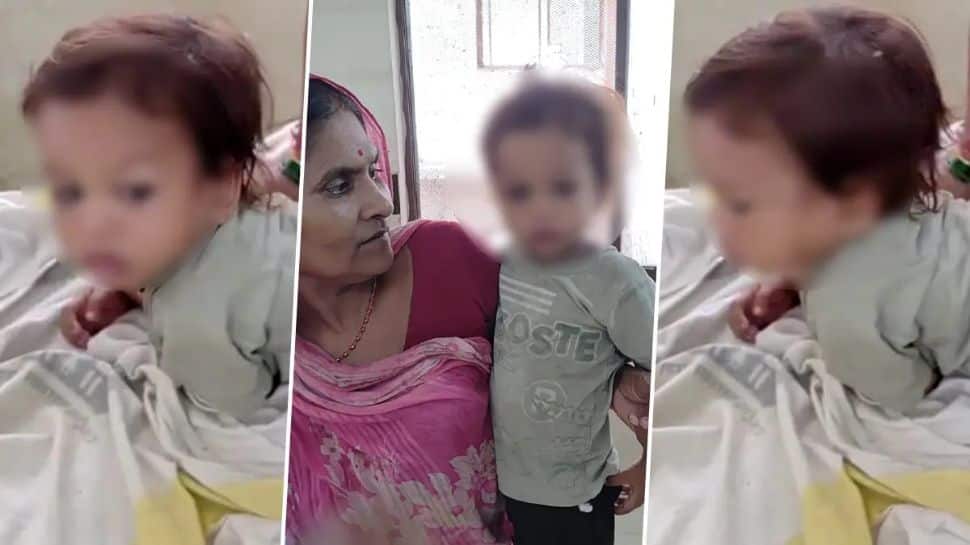
Last Thursday, the small village of Mohchi Bankatwa, near Bettiah in Bihar’s West Champaran district, witnessed an event that defied belief. Govind Kumar, a one-year-old boy, reportedly bit a cobra – and the snake died.
While playing near his home,with his mother working close by,Govind encountered the highly venomous reptile. Instead of reacting with fear, the child instinctively grabbed the snake and bit down.the cobra succumbed to the bite shortly after, leaving villagers and family members in shock.
Govind’s grandmother,matisari Devi,recounted the astonishing scene. She described how the child was sitting near a woodpile when the snake appeared, and before anyone could intervene, he had already bitten it. The infant then briefly lost consciousness, prompting a frantic rush to the local health center and subsequently to the government hospital in Bettiah.
The Science of Survival: How Did a Baby’s Bite neutralize Cobra venom?
The case instantly sparked intense medical curiosity. How could a baby,typically vulnerable to snake venom,not only survive a bite but seemingly cause the death of the snake?
Dr.Kumar Saurabh, an assistant professor in the pediatric department at the Government Medical College, bettiah, who examined Govind, revealed the surprising description. Upon arrival, the child exhibited swelling around his mouth, and the family reported he had ingested a portion of the snake.
“When a snake bites a person, venom enters the bloodstream, directly impacting the nervous system,” Dr. Saurabh explained. “This can lead to paralysis, organ failure, and ultimately, death.” However, in Govind’s case, the venom entered the body through the digestive tract.
Here’s the crucial point: The human digestive system,under certain circumstances,can neutralize snake venom. The stomach’s acidic environment and enzymatic processes can break down the complex proteins that constitute venom, rendering them harmless.
Dr. Saurabh emphasized that Govind was lucky.”If there had been any pre-existing ulcers or internal bleeding points in his esophagus or stomach, the outcome could have been drastically different,” he stated. The absence of such vulnerabilities allowed the digestive system to effectively counteract the venom. This case highlights a rare, but possible, physiological defense mechanism.
India’s Snakebite Crisis: A Silent Epidemic
While Govind’s story is remarkable for its uniqueness, it underscores a far more sobering reality: India faces a severe and often overlooked public health crisis – snakebites.The World Health Organization (WHO) estimates that between 80,000 and 130,000 people die from snakebites globally each year.India alone accounts for a staggering 58,000 of those fatalities.
Recent data from the Bihar government reveals the scale of the problem within the state. Between April 2023 and March 2024, 934 people died from snakebites, and over 17,800 sought treatment in state hospitals. Experts believe these numbers are significantly underestimated due to underreporting - many victims don’t reach medical facilities or rely on traditional, frequently enough ineffective, remedies.
The highest incidence of snakebite deaths occurs in rural states including Bihar, Jharkhand, Madhya Pradesh, Odisha, Uttar Pradesh, Andhra Pradesh, Telangana, Rajasthan, and Gujarat. factors contributing to this crisis include:
High Population Density in Rural Areas: Increased human-snake interaction.
Agricultural Lifestyles: Snakes often inhabit fields and are disturbed during farming activities.
Limited Access to Healthcare: Delayed or inadequate medical treatment.
Lack of Awareness: Insufficient knowledge about snakebite prevention and first aid.
*Shortage of