beyond the Margins: Why the Black British Book festival Matters Now More Than Ever
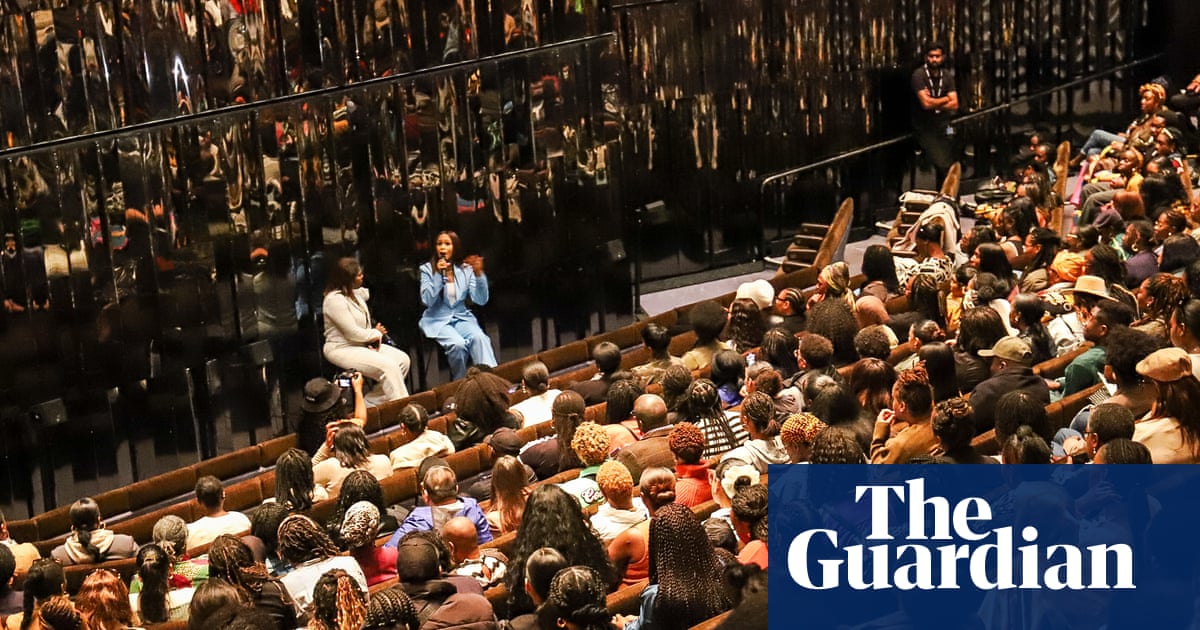
The literary landscape in the UK, while evolving, still largely operates under a system that marginalizes black voices. Despite the critical importance of literature to a functioning democracy - fostering thought and disseminating ideas – the market often dictates which stories are told, leaving many underrepresented narratives struggling for visibility.This is precisely why the Black British Book festival (BBBF) isn’t just a* festival; it’s a vital intervention.
The Systemic Challenges Facing Black Writers
For too long, Black writers have been forced to respond to external agendas, waiting for publishing houses to deem their work “marketable.” This inherently limits creative freedom and perpetuates a cycle of exclusion. As festival director, gabriel Ryder, points out, the BBBF flips this script. It’s a space where Black people set the agenda, define the narratives, and experience the power of collective storytelling.
This isn’t simply about filling a gap in the market. It’s about recognizing literature’s basic role in society and ensuring equitable access to its creation and consumption.Should state funding be considered to support underrepresented groups in literature? The question is gaining traction as the limitations of a purely profit-driven model become increasingly apparent.
A Festival Born of Necessity
The BBBF offers a powerful antidote to a system that often treats Black literature as niche. It’s a platform built *by and for Black creatives, fostering a sense of community that’s historically proven to be fertile ground for artistic innovation. Think of the Harlem Renaissance - a flourishing of Black art and thought that emerged from a similar spirit of collaboration and self-determination.
* Community is Key: The festival mirrors the collaborative spirit of past cultural movements.
* Agenda Setting: it allows Black voices to define their own narratives,rather than responding to external pressures.
* Creative Flow: A strong community fosters literature, art, and groundbreaking ideas.
Navigating a Rising Tide of Division
The festival’s resonance is particularly sharp in the current UK climate. Recent months have witnessed a surge in far-right activity,racist incidents,and the rise of anti-DEI sentiment. While Ryder is careful to avoid framing the BBBF solely as a response to these challenges, he emphasizes the importance of prioritizing Black needs and aspirations.
“I don’t want our actions to be dictated as merely the response to white people’s concerns,” he explains. “What I want is for us to be setting an agenda for what we need as Black people.”
This sentiment is echoed by fellow organizer, Alex Stephens, who acknowledges the ancient context of racial tension in Britain. “This energy has been in Britain my whole life,” Stephens says, referencing a long history of racial discrimination. “It is indeed nice to remind ourselves that Black people are doing dope shit.”
Beyond Black History Month: The Pursuit of Permanence
A common frustration within the Black literary community is the “October effect” - a surge of interest during Black History Month followed by a return to silence. The BBBF actively combats this fleeting attention, asserting the cultural permanence of Blackness. It’s a declaration that Black stories aren’t seasonal; they are integral to the fabric of British culture year-round.
You deserve to see your stories reflected, celebrated, and valued. The BBBF provides that space.
Why This Matters to you
Whether you’re a reader, writer, or simply someone interested in a more inclusive cultural landscape, the Black British Book Festival offers something valuable. It’s a chance to:
* Discover New Voices: encounter talented Black British authors you might not find elsewhere.
* Engage in Meaningful Dialog: Participate in conversations about race, identity, and the power of storytelling.
* Support a Vital Community: Contribute to a movement that’s challenging systemic barriers and fostering creative excellence.
The BBBF isn’t just a festival; it’s a statement. It’s a testament to the resilience, creativity, and enduring power of Black British literature. It’s a reminder that diverse voices are not just welcome, but essential to a thriving democracy. And it’s a space where you can connect with a community that understands the importance of telling your story, on your own terms.