The Black Hawk Helicopter: A Legacy of Performance, Risk, and continuous Improvement
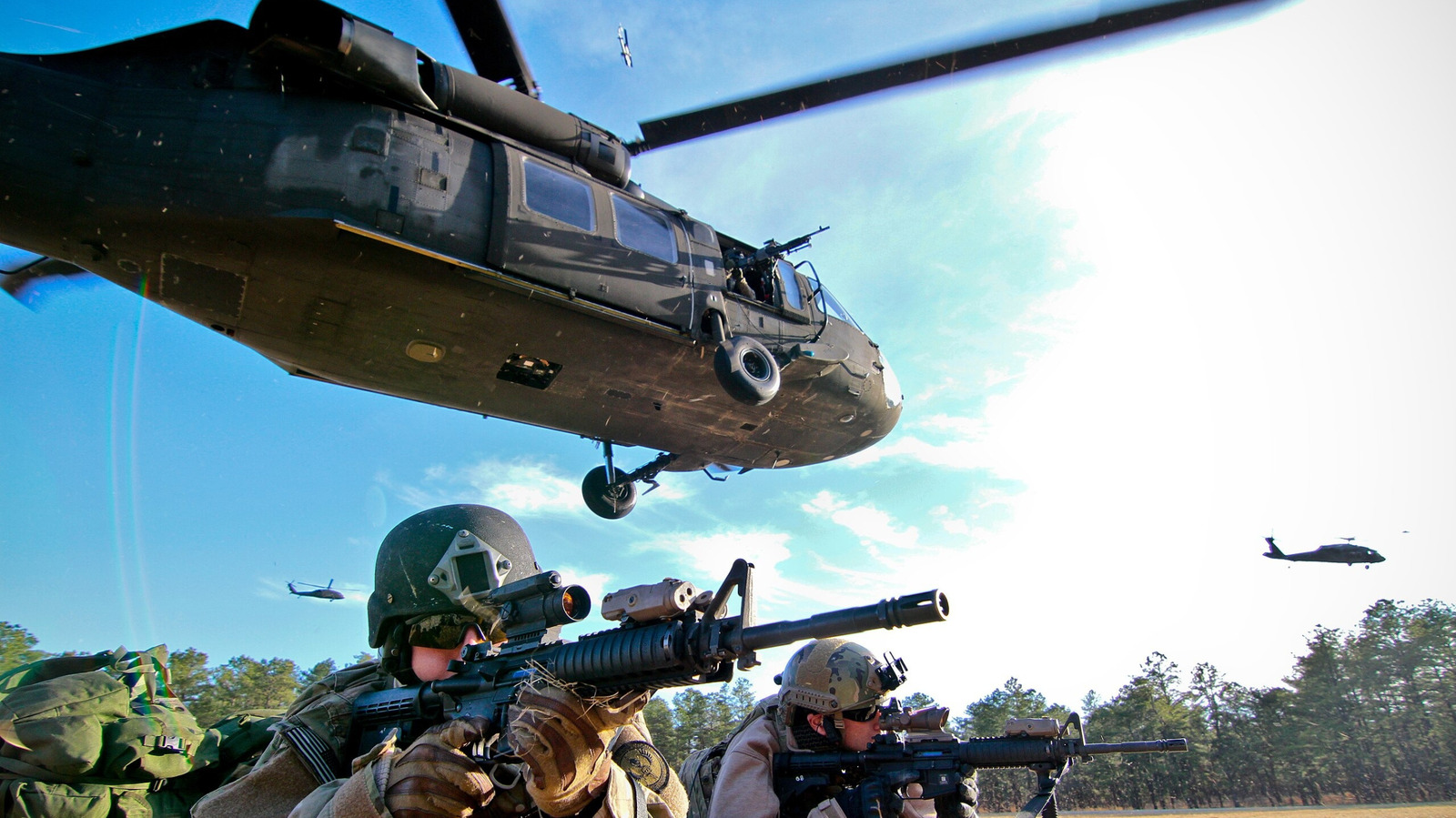
The Sikorsky UH-60 Black Hawk is arguably the workhorse of the U.S. Army, a ubiquitous presence in both domestic and global operations. However, its reputation for rugged reliability is intertwined with a complex history of accidents and a demanding flight profile. This article delves into the factors that make the Black Hawk both incredibly capable and inherently challenging to fly, examining its safety record and the ongoing efforts to mitigate risk.
A Design Balancing Act
Black Hawks are renowned for their agility and versatility, but this performance comes with trade-offs. They are built with relatively small rotors for their weight class, granting extraordinary maneuverability. Consequently, this design reduces the aerodynamic safety margin, demanding precision and constant vigilance from pilots.
A slight error or momentary lapse in concentration, notably during low-level flight, can have devastating consequences. You need to understand that the Black Hawk pushes the boundaries of what’s aerodynamically possible.
Since 1979, over 5,000 Black Hawks have been produced, constituting 63% of the Army’s total helicopter fleet. They’ve accumulated over 15 million flight hours, including five million in combat. This extensive operational history, often involving nighttime missions hugging the terrain to evade radar and facing constant threats, inherently exposes them to a higher risk profile.
The Demands of Realistic Training
Preparing for these high-stakes deployments requires rigorous, and frequently enough equally hazardous, training scenarios. Unfortunately, this training has resulted in tragic accidents.
Consider these incidents:
* January 2025: A mid-air collision in Washington, D.C., between a Black Hawk and an American Eagle Flight 5342 resulted in 67 fatalities – the deadliest U.S. air crash in over two decades.
* 2023: Two separate training crashes claimed the lives of 11 soldiers.
* 2021: A training accident led to three fatalities.
* 2015: A nighttime exercise in Louisiana resulted in the deaths of four National Guardsmen and seven Marines.
* 1985: The Army grounded the entire Black Hawk fleet following six crashes in four months, causing 15 deaths.
* 1981-1984: 22 deaths occurred prior to the 1985 grounding.
Following the early 2023 crashes, including one involving Apache helicopters, another aviation stand-down was ordered to reassess safety protocols.
Investigating the Root Causes
Congressional investigations into these accidents, particularly those involving national Guard units, identified several contributing factors. These included:
* Human error
* Inadequate training and safety precautions
* Insufficient maintenance
* Overconfidence
though, the data also revealed a surprising statistic. Despite the high-profile incidents,Black Hawks actually have a relatively low fatal accident rate.
Here’s a comparison of fatal incident rates per 100,000 flight hours:
* Black Hawk: 1.0
* AH-64 Apache: 1.93
* CH-47 Chinook: 1.59
This means that, proportionally, Black Hawks experience fewer deadly incidents relative to the hours they fly compared to other Army helicopters.
Understanding the Numbers & Continuous Improvement
It’s crucial to understand that a lower incident rate doesn’t diminish the seriousness of each accident.every loss is a tragedy.However, the data suggests that the Black Hawk’s inherent risks are being actively managed.
You can see that the Army consistently responds to accidents with thorough reviews, updated training programs, and enhanced maintenance procedures. these efforts are vital to maintaining the Black Hawk’s operational effectiveness while prioritizing the safety of its crews.
The Black hawk’s story is one of continuous improvement. It’s a testament to the dedication of the men and women who fly and maintain these complex machines, and a reminder that even the most advanced technology requires constant vigilance and a commitment to safety.
As the Black Hawk continues to evolve and adapt to new challenges, its legacy will undoubtedly be shaped by the lessons