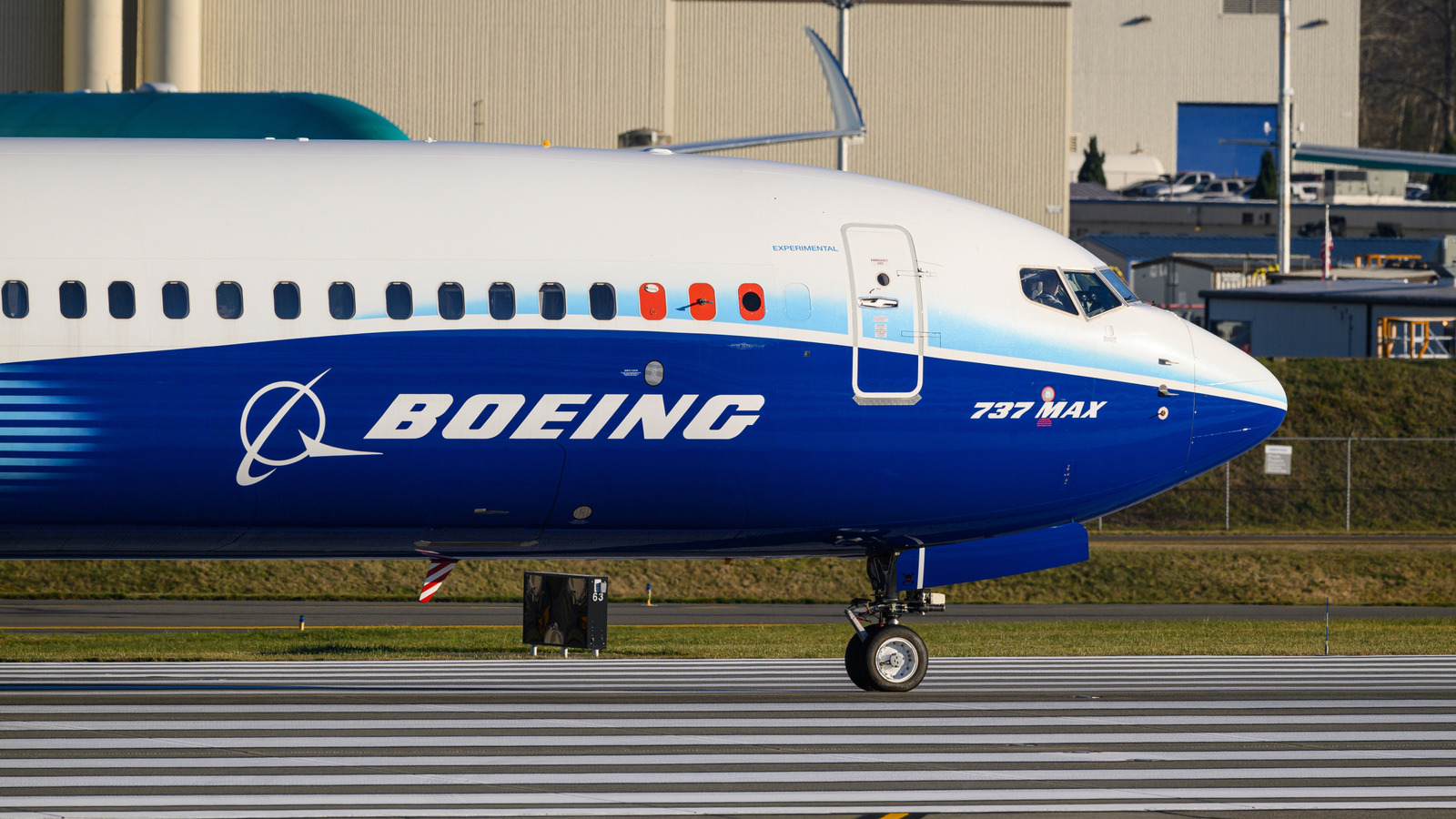
The surprisingly Simple Trick Behind Boeing 737’s Increased Passenger Capacity
Have you ever wondered how airlines manage to squeeze more and more passengers into seemingly the same-sized airplane? It’s not magic, but a clever redesign of the Boeing 737 MAX, specifically the MAX 8-200 variant. This allows airlines to maximize profits on short-haul routes, and it all comes down to some surprisingly subtle adjustments.
Meeting the Demand for More Seats
Boeing developed the MAX 8-200 to cater to the growing demand from low-cost carriers. These airlines prioritize filling as many seats as possible on each flight. Consequently, Boeing focused on increasing passenger capacity without fundamentally altering the aircraft’s size.
The key to this lies in optimizing the cabin layout through two primary methods: seat pitch reduction and row adjustments.
* Seat Pitch: This refers to the distance between a point on one seat and the same point on the seat in front of it – essentially, your legroom. Reducing this distance allows airlines to install more rows.
* Row Adjustments: Careful adjustments to the rows ensure they fit precisely within the new specifications, maximizing space utilization.
These seemingly small changes represent a “high-density” configuration, enabling more passengers without a major overhaul of the plane’s structure.
Safety and Competition Drive Further changes
increasing passenger numbers isn’t just about squeezing people in. Safety regulations also played a role in the MAX 8-200’s redesign.
Two additional emergency exits were added midplane,bringing the total from eight to ten.This was crucial for maintaining compliance with safety standards as passenger capacity increased.
Furthermore, Boeing faced increasing competition from Airbus and its A320neo family. to remain competitive, Boeing implemented several core changes to modernize the 737 platform:
* Engine Upgrade: The MAX 8-200 features larger, more advanced LEAP-1B engines, enhancing performance and fuel efficiency.
* Winglets: Split scimitar winglets were added to improve aerodynamics and reduce drag.
* Fuselage Variations: The MAX family offers different fuselage lengths (MAX 7, 8, 9, and 10) to suit various route requirements.
Incremental Innovation: A Winning Strategy
The redesign of the 737 MAX 8-200 demonstrates the power of incremental innovation. Rather than embarking on a entirely new aircraft design, Boeing focused on optimizing an existing platform. This approach allowed them to respond effectively to market demands and maintain their position as a leading aircraft manufacturer.
The MAX 8-200 is a testament to how strategic adjustments can significantly impact an aircraft’s capacity and competitiveness. It’s a prime example of how airlines can offer more affordable fares by maximizing the number of passengers they can carry on each flight.