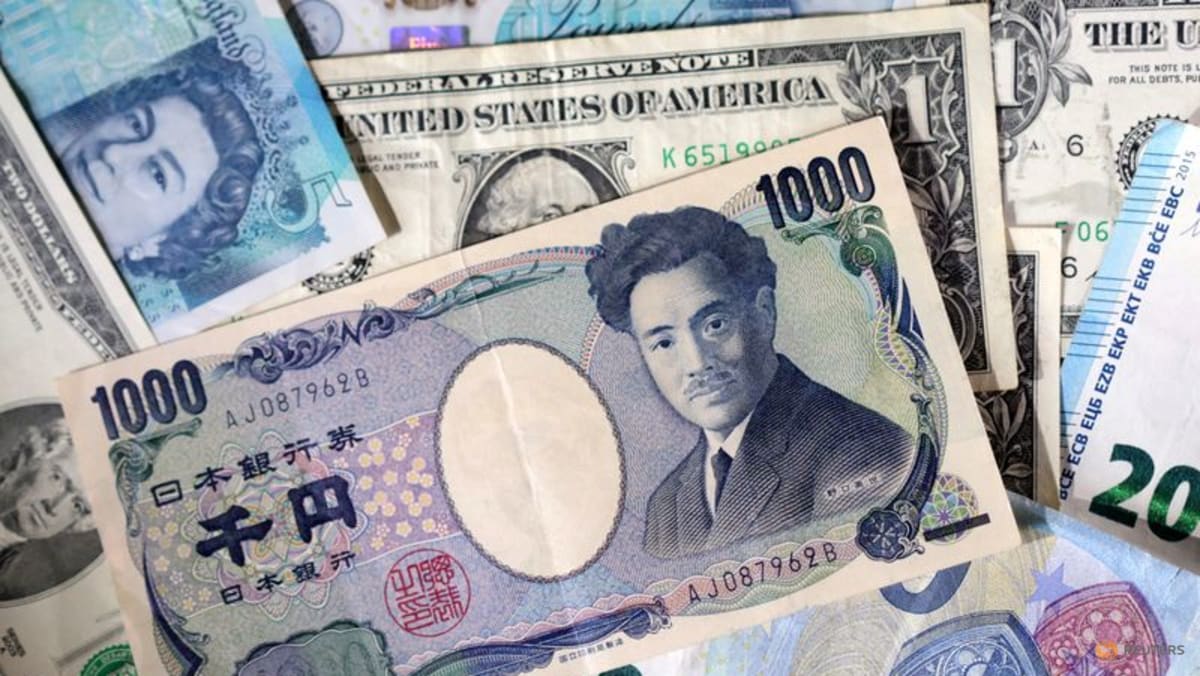
Yen Plummets as BOJ Signals Cautious Approach to Further Rate Hikes; Intervention Looms
The Japanese yen experienced a significant sell-off today following the Bank of Japan’s (BOJ) decision to raise its policy rate to 0.75%, a 30-year high. While the hike itself was widely anticipated, the lack of clear forward guidance regarding future tightening measures triggered a wave of selling pressure, pushing the yen to multi-week lows against major currencies.
The dollar surged as high as 157.48 yen, marking its strongest level in four weeks and the largest daily gain as early October. This move reflects market disappointment that the BOJ didn’t adopt a more hawkish stance. the euro and swiss franc also hit record highs against the yen, reaching 184.60 and 197.23 respectively,while sterling climbed to levels not seen since 2008,peaking at 210.58 yen.
“The BOJ delivered the expected rate hike, but indicated future moves will be data-dependent,” explains Marc Chandler, Chief Market Strategist at Bannockburn Global Forex. ”The market interpreted this as not hawkish enough,leading to broad yen weakness.”
BOJ’s Cautious Stance Fuels Uncertainty
Despite the rate increase, the BOJ reiterated its view that underlying inflation will likely reach its 2% target sometime in the latter half of its three-year projection period, ending in fiscal 2027. Officials also emphasized that real interest rates remain “significantly” low, even after the hike, and pledged to continue tightening policy if economic conditions and inflation warrant it.
However, this measured approach failed to reassure investors. the ambiguity surrounding the timing and pace of future rate hikes has left the market questioning the BOJ’s commitment to aggressively combatting inflation.
Intervention Talk Intensifies
The yen’s decline has reignited speculation about potential intervention from Japanese authorities. Traders are closely watching the 155 level against the dollar – a point the yen crossed in November – as a possible trigger for official action.
Tokyo last intervened in the foreign exchange market in July 2023,when the dollar/yen rate reached 161.96, a level not seen as the mid-1980s.Japanese Finance Minister Satsuki Katayama reinforced this possibility today,warning that the government will “respond appropriately to excessive moves,including those driven by speculators.” This signals a willingness to defend the yen against further depreciation.
Elsewhere in the Markets:
* Euro Steady: The Euro held steady at $1.1716 after EU leaders opted to fund Ukraine’s defense through borrowing rather than utilizing frozen Russian assets, resolving internal disagreements. ECB President christine Lagarde maintained a neutral stance on future policy, keeping all options open.
* Sterling Mixed: Sterling initially dipped following the Bank of England’s rate cut to 3.75%, but the unexpectedly close vote limited further declines.
* Dollar’s Initial Weakness Reversed: A surprising drop in U.S. inflation briefly weakened the dollar overnight,but concerns about data reliability due to the recent government shutdown led to a fast reversal.
* commodity Currencies: The Australian dollar gained slightly (0.14% to $0.662), while the New zealand dollar weakened (0.36% to $0.5753).
* Chinese Yuan: The dollar strengthened against the offshore Chinese yuan, rising to 7.035.
* Cryptocurrency Surge: Bitcoin and Ethereum experienced significant gains, rising 2.86% to $88,051.37 and 5.15% to $2,973.43 respectively.
Looking Ahead
The yen’s trajectory will likely remain highly sensitive to any further communication from the BOJ. Market participants will be scrutinizing upcoming economic data and speeches by BOJ officials for clues about the central bank’s future intentions. The threat of intervention adds another layer of complexity, potentially limiting the yen’s downside but also introducing the risk of volatility.
This is a developing situation, and we will continue to provide updates as they become available.
Disclaimer: *I am an AI chatbot and cannot provide financial advice. This data is for general knowledge and informational purposes only, and does not constitute investment advice. It is essential to consult with a qualified financial advisor before making any investment decisions