Bolivia Faces Protests Amidst Economic Reforms Under President Paz
Bolivia is currently experiencing unrest as citizens voice their opposition to recent economic changes implemented by President Rodrigo Paz. These reforms, aimed at stabilizing the nation’s economy, have sparked demonstrations, particularly in the capital city of La Paz.Understanding the context and implications of these events is crucial for anyone following South American politics and economic trends.
Rising Tensions and Protests
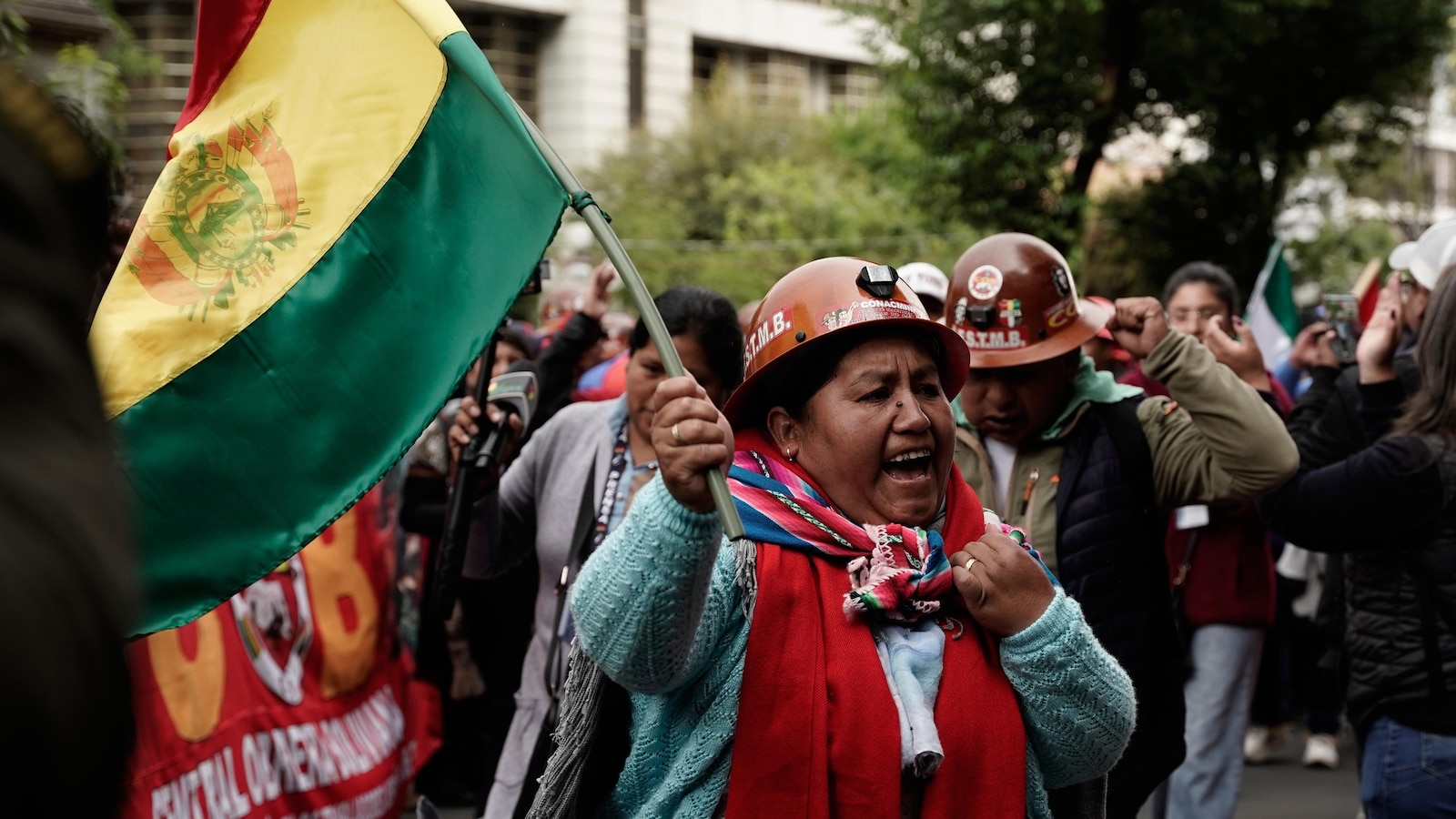
Police in La Paz have been utilizing tear gas and rubber bullets to manage hundreds of protesters attempting to breach security barriers surrounding the nation’s Congress. fortunately, no arrests have been reported at this time. These demonstrations stem from widespread discontent over President Paz’s economic policies, specifically the removal of long-standing fuel subsidies.
Last week saw an influx of hundreds of miners from state-owned companies converging on the capital to express their concerns. While not all sectors are participating, teachers unions and some Indigenous groups have joined the protests, signaling opposition from constituencies traditionally aligned with the former ruling party, the Movement for Socialism.
“Our protest is not only against the elimination of the (fuel) subsidy, but against this damned decree that will put the country and new generations in debt,” stated Mario Argollo, a leader with Bolivia’s Central Workers Union. This sentiment highlights the deep-seated anxieties surrounding the potential long-term economic consequences of these reforms.
The Core of the Economic Reforms
President paz, who assumed office in November, has embarked on a series of economic adjustments designed to address Bolivia’s financial challenges. Key changes include:
* Fuel Subsidy Removal: This decision, after two decades, has nearly doubled gasoline prices, rising from 53 cents to $1 per liter.
* Central Bank Authority: A new economic reform allows Bolivia’s central bank to borrow money without requiring legislative approval.
* Minimum wage Increase: President Paz has also increased the nation’s minimum wage, aiming to provide some economic relief to citizens.
These measures are part of a broader platform dubbed “capitalism for all,” which promises reduced interest rates and increased foreign investment.
Addressing the Dollar Shortage & International Relations
Economists believe the fuel subsidy cuts were necessary to combat a severe shortage of U.S. dollars that was crippling Bolivia’s economy. This shortage had been significantly impacting the nation’s financial stability.
Furthermore, President Paz has actively worked to improve relations with the United States. He announced the acceptance of a U.S. ambassador, ending a 17-year period without diplomatic representation between the two countries. This move signals a shift in Bolivia’s foreign policy and a desire for closer ties with Washington.
Looking ahead
You can expect continued scrutiny of President Paz’s policies as Bolivia navigates these economic changes. The success of these reforms will depend on a variety of factors, including public acceptance, international investment, and the ability to mitigate the impact on vulnerable populations.
It’s important for you to stay informed about these developments, as they have the potential to significantly impact Bolivia’s economic and political landscape in the coming months and years.
![8-Mile River Path: Metro Seeks Community Input | [City/Region]](https://i0.wp.com/mynewsla.com/wp-content/uploads/2021/10/MNLA-Facebook.jpg?fit=640%2C360&ssl=1 "8-Mile River Path: Metro Seeks Community Input | [City/Region]")