
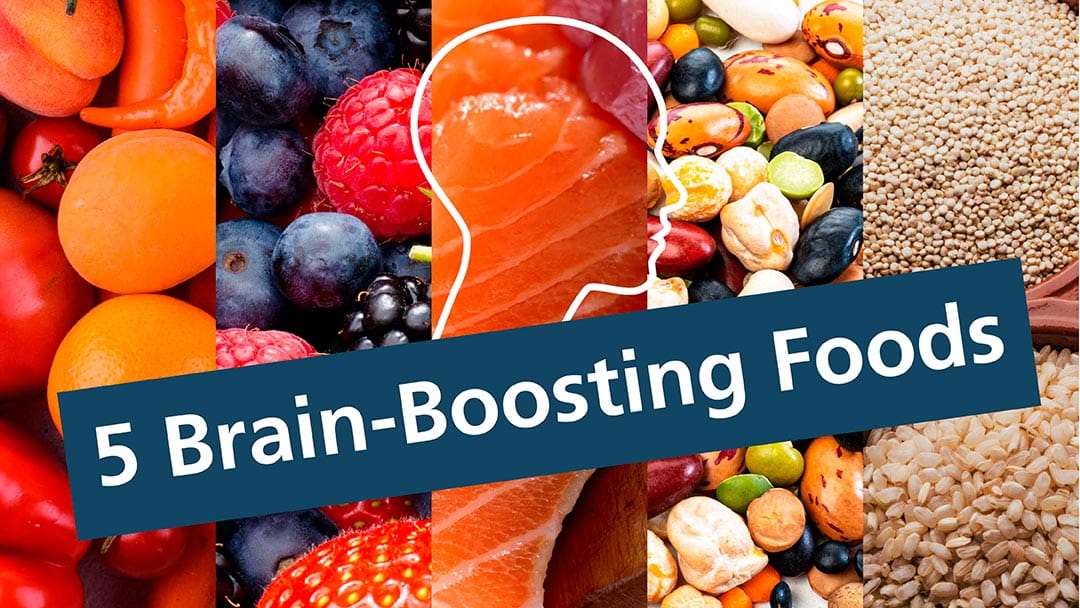
For years, the medical community has searched for a universal blueprint for longevity, focusing on how the foods we consume daily either accelerate or decelerate the aging of our most vital organs. As a physician and health journalist, I have observed a recurring theme in the data: the profound connection between dietary fats and cognitive preservation. While some modern diets are linked to systemic inflammation, the Mediterranean diet stands as a gold standard for those seeking to protect their brain and heart from the ravages of time.
The Mediterranean diet is not merely a set of restrictive rules but a lifestyle centered on whole, plant-based foods, healthy fats, and lean proteins. Recognized globally for its ability to manage weight and improve diabetes, this dietary pattern is frequently recommended by the World Health Organization (WHO) and various nutritional experts to combat chronic illness Boolim Tistory. By prioritizing nutrients that reduce oxidative stress, this approach offers a sustainable way to maintain mental clarity and cardiovascular resilience.
At the heart of this regimen is a single, powerful ingredient: olive oil. Far from being a simple condiment, extra virgin olive oil (EVOO) serves as the “core engine” of the Mediterranean diet, providing the essential chemical compounds required to shield the brain and arteries from damage. For those wondering which foods might be “breaking” their brain, the answer often lies in the absence of these protective fats and the overconsumption of inflammatory alternatives.
The “Core Engine”: Why Extra Virgin Olive Oil Matters
The health benefits of extra virgin olive oil are rooted in its unique chemical composition. Unlike many vegetable oils, EVOO is rich in monounsaturated fatty acids (MUFAs) and a potent class of antioxidants known as polyphenols. Specifically, the presence of oleic acid plays a critical role in balancing cholesterol levels and lowering blood pressure, which in turn provides long-term protection for the heart Seattle Korean Daily.
Beyond the heart, these components act as a defense system for the brain. Polyphenols help suppress inflammation and oxidative stress, two primary drivers of cellular aging and neurodegenerative diseases. The inclusion of Vitamin E in olive oil helps prevent cell aging, ensuring that the neural pathways remain efficient as we age Boolim Tistory.
Professor Catherine Itsiopoulos, a nutrition researcher at RMIT University, notes that while olive oil alone cannot replicate the full effect of the entire Mediterranean diet, consuming just a few tablespoons a day can provide significant cardiovascular advantages Seattle Korean Daily. This suggests that making small, strategic swaps in our daily fat intake can lead to measurable health outcomes.
Quantifying the Protection: Reducing Stroke and Dementia Risks
The efficacy of the Mediterranean diet is not based on anecdote but on rigorous clinical data. One of the most compelling pieces of evidence comes from a large-scale clinical trial conducted in Spain. The study focused on individuals at high risk for cardiovascular disease and found that those who followed a Mediterranean diet supplemented with four or more tablespoons of extra virgin olive oil daily had a 30% lower risk of heart attack, stroke, and cardiovascular death compared to a group maintaining a low-fat diet Seattle Korean Daily.
The benefits extend deeply into cognitive health. Data analysis involving 90,000 participants revealed a striking correlation between olive oil consumption and brain longevity. Specifically, individuals who consumed more than half a tablespoon of olive oil per day saw a 28% reduction in the risk of death from dementia Seattle Korean Daily. This underscores the role of healthy fats in preventing the cognitive decline that often accompanies vintage age.
Implementing a Heart- and Brain-Healthy Lifestyle
Transitioning to a Mediterranean-style diet does not require a complete overhaul of one’s kitchen overnight. Instead, it involves prioritizing specific food groups that work synergistically to lower inflammation and support vascular health. The primary shift involves replacing saturated fats—such as butter and margarine—with olive oil in both raw and cooked applications Boolim Tistory.

To maximize the benefits for the brain and heart, consider the following practical applications:
- Olive Oil Integration: Use it as a dressing for raw vegetables, as a substitute for butter when sautéing, or as a dip for whole-grain bread. A daily intake of 1 to 2 spoons is generally recommended Boolim Tistory.
- Protein Pivot: Shift the focus from red meats to fresh seafood, and fish. This transition helps lower systemic inflammation and maintains overall heart health Boolim Tistory.
- Plant-Forward Base: Increase the consumption of leafy greens and vegetables, which provide the fiber and micronutrients necessary to complement the healthy fats found in olive oil.
Key Takeaways for Cognitive and Heart Health
| Component | Key Nutrient | Primary Benefit |
|---|---|---|
| Extra Virgin Olive Oil | Oleic Acid & Polyphenols | 30% lower cardiovascular risk; 28% lower dementia death risk |
| Fresh Fish/Seafood | Omega-3s / Lean Protein | Reduced systemic inflammation |
| Leafy Greens | Vitamins & Antioxidants | Cellular protection and anti-aging |
the “foods that break the brain” are often those that promote inflammation and arterial clogging. By contrast, the Mediterranean diet provides the tools—specifically through the use of extra virgin olive oil—to maintain the elasticity of our blood vessels and the integrity of our neurons. Whether you are looking to prevent a future diagnosis or simply wish to maintain your current mental sharpness, the evidence points toward a diet rich in monounsaturated fats and plant-based nutrients.
As nutritional science continues to evolve, the foundational principles of the Mediterranean diet remain a reliable guide for public health. We expect further longitudinal studies to refine the exact dosages of polyphenols required for maximum neuroprotection in the coming years.
Do you incorporate olive oil into your daily routine, or are you looking to make a switch from saturated fats? Share your experiences or questions in the comments below.