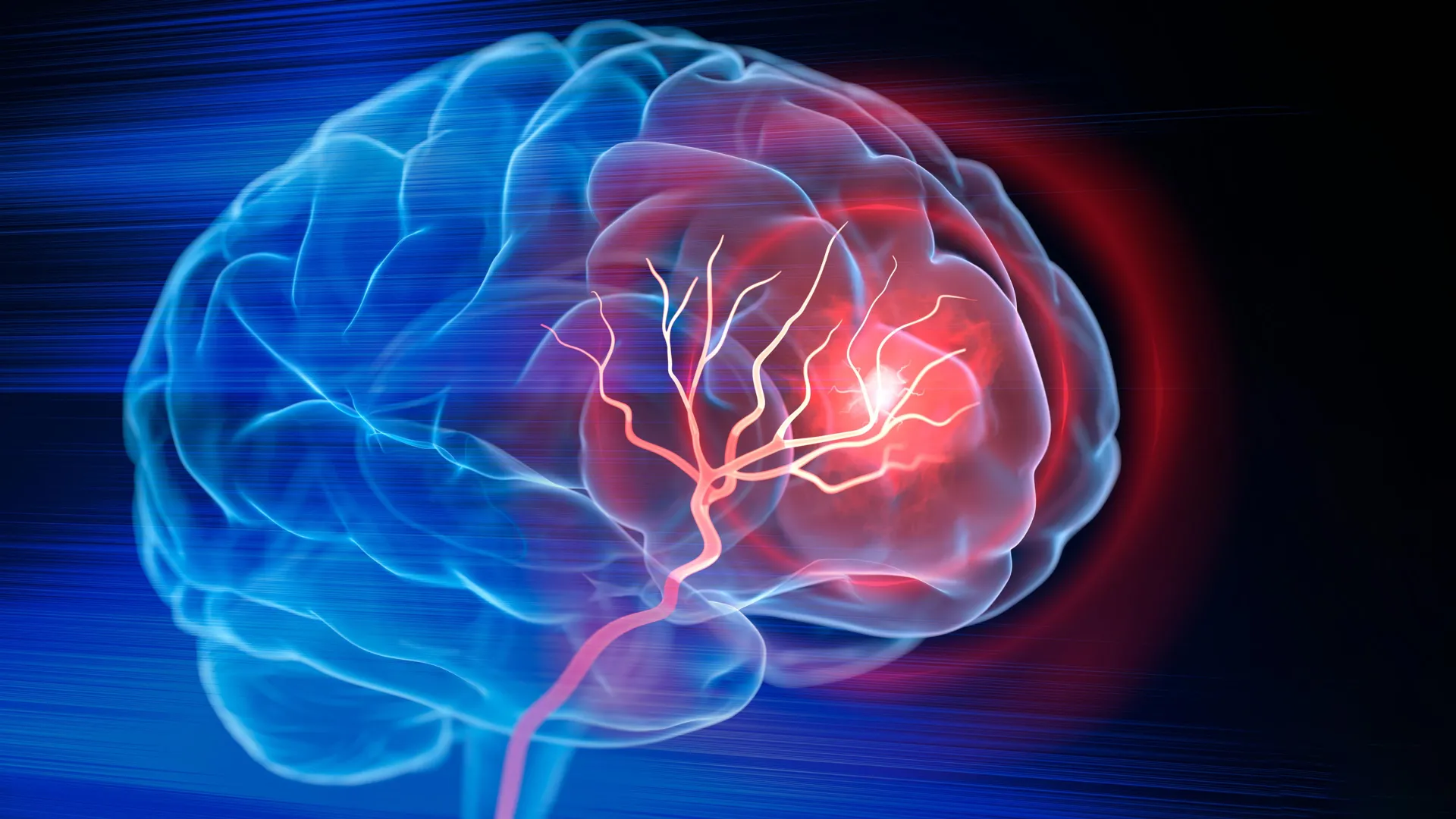
The Silent Threat: How Hypertension Damages the Brain Before High Blood Pressure Develops
For years, the link between hypertension (high blood pressure) and cognitive decline – including vascular cognitive impairment and Alzheimer’s disease – has been well-established. However, why this connection exists has remained a frustrating puzzle. now, groundbreaking research from Cornell Medicine is revealing a startling truth: hypertension begins to disrupt brain function at a cellular level long before blood pressure reaches clinically detectable levels. this discovery not only deepens our understanding of the disease process but also opens new avenues for preventative and therapeutic interventions.
A Growing Public Health Concern & The Limitations of Current Treatment
Hypertension is a pervasive health issue, affecting billions worldwide. Individuals with hypertension face a 1.2 to 1.5-fold increased risk of developing cognitive problems compared to those with normal blood pressure. Despite the effectiveness of current medications in controlling blood pressure, these treatments often fail to considerably improve cognitive function. This disconnect suggests that the damage isn’t solely a result of sustained high pressure, but rather a more insidious, early-stage process.
as a neurologist with over two decades of experience in researching cerebrovascular disease, I’ve witnessed firsthand the devastating impact of hypertension on brain health. This new research validates what many of us have suspected: we need to shift our focus from solely managing blood pressure to understanding and mitigating the early cellular changes triggered by the condition.
Unveiling the Early Cellular Damage: A Single-Cell Revolution
the Cornell study, published in Neuron, utilized cutting-edge single-cell analysis techniques to dissect the molecular changes occurring within individual brain cells in a mouse model of hypertension. This is a meaningful leap forward from previous research, which primarily focused on global neuronal function. By examining the response of different cell types at the molecular level, researchers were able to pinpoint the earliest vulnerabilities.
The team induced hypertension in mice using angiotensin, a hormone that mimics the blood pressure-raising effects of the condition in humans. Remarkably, significant changes in gene expression were observed in key brain cells within just three days – before any measurable increase in blood pressure.
Here’s a breakdown of the key findings:
* Endothelial Cells: These cells, which line blood vessels, exhibited signs of accelerated aging, including reduced energy metabolism and increased senescence markers. This suggests a compromised blood-brain barrier, the protective mechanism regulating nutrient flow and preventing harmful substances from entering the brain.
* Interneurons: These crucial cells, responsible for balancing excitatory and inhibitory nerve signals, showed early signs of damage. This imbalance mirrors patterns observed in the early stages of Alzheimer’s disease, hinting at a potential link in disease progression.
* Oligodendrocytes: These cells produce myelin,the insulating sheath around nerve fibers. The study revealed a decrease in gene expression related to myelin maintenance and regeneration, perhaps leading to impaired neuronal communication.
By day 42, when blood pressure was elevated and cognitive decline was apparent, even more pronounced gene expression changes were observed, confirming the link between early cellular disruption and later cognitive impairment.
Beyond Blood Pressure: The Role of Angiotensin Receptor Inhibitors
The research also sheds light on why some hypertension medications may be more effective than others.Losartan, a medication that inhibits the angiotensin receptor, demonstrated a protective effect, reversing early damage in endothelial cells and interneurons in the mouse model. This finding supports existing human studies suggesting that angiotensin receptor inhibitors may offer greater cognitive benefits compared to other blood pressure-lowering drugs.
This is a crucial observation. It suggests that targeting the angiotensin system,rather than simply lowering blood pressure,may be a more effective strategy for preserving brain health.
Looking Ahead: Preventing Neurodegeneration & Protecting Brain Health
The implications of this research are profound. It underscores the importance of early detection and intervention for hypertension, even before symptoms manifest.Dr. Costantino Iadecola, the senior author of the study, and his team are now investigating how the accelerated aging of small blood vessels contributes to dysfunction in interneurons and oligodendrocytes.
The ultimate goal is to identify strategies to prevent or reverse the long-term cognitive consequences of hypertension. This includes exploring novel therapeutic targets and refining existing treatment approaches.
What You Can Do:
While more research is needed, the message is clear: prioritizing cardiovascular health is paramount for brain health.
* Regular Blood Pressure Monitoring: Know yoru numbers and work with your healthcare provider to maintain healthy blood pressure levels.
* Lifestyle Modifications: Adopt a heart-healthy lifestyle, including a balanced diet, regular exercise, and stress management techniques.
* discuss Medication Options: If you are prescribed blood pressure medication,discuss the potential cognitive benefits of different classes of drugs with your doctor.
This research represents a significant step forward in our understanding of the complex relationship between hypertension and cognitive decline. By focusing on the early cellular changes triggered by the condition, we can pave