
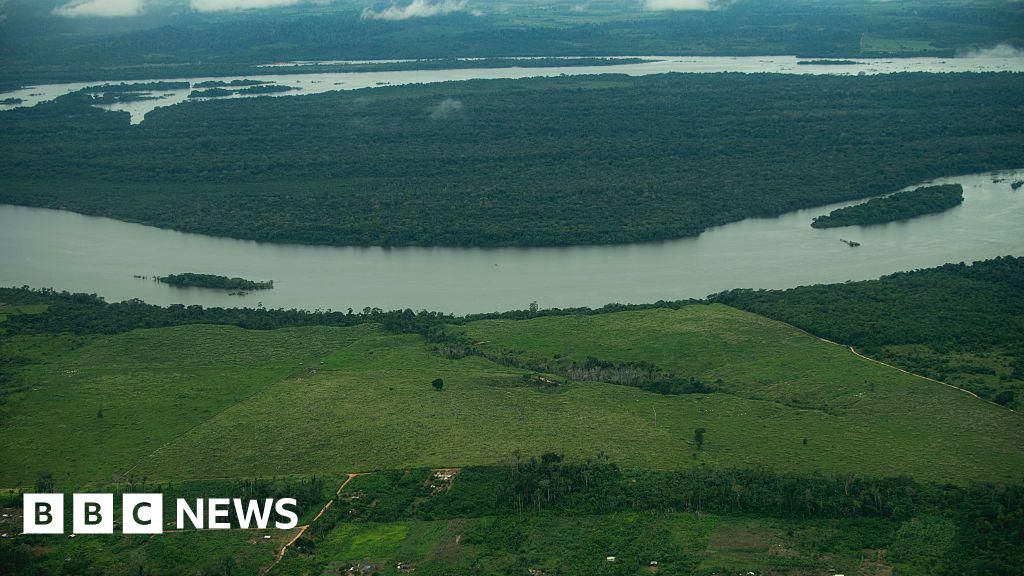
Brazil’s Controversial Licensing Bill threatens Amazon Rainforest Protections
A contentious bill currently awaiting President Lula da Silva’s decision is sparking intense debate over the future of environmental protections in Brazil, notably within the Amazon rainforest. Approved by both the senate and Chamber of Deputies, the legislation aims too streamline the licensing process for “strategic” projects – including mining and infrastructure – but critics warn it could trigger a surge in deforestation and erode the rights of Indigenous communities. As a long-time observer of Brazilian environmental policy, I’m deeply concerned about the potential ramifications of this law.
What’s at Stake? A Breakdown of the Proposed Changes
The core of the controversy lies in significant alterations to the environmental assessment process. Here’s a closer look at the key provisions:
Accelerated Licensing: The bill mandates that environmental agencies must approve or deny licenses for strategic projects within 12-24 months. Failure to meet this deadline results in automatic approval. This timeframe, experts argue, is insufficient for complete environmental impact assessments.
Reduced Consultation: requirements for consulting with Indigenous and conventional quilombola (descendants of afro-brazilian slaves) communities are relaxed, particularly if they aren’t directly impacted by the project. This directly contravenes established rights to prior and informed consent.
Weakened Assessments: the legislation raises concerns that thorough environmental assessments will be sacrificed in the name of speed, potentially leading to irreversible damage. This is particularly alarming given the amazon’s critical role in global climate regulation.
Economic justification: Supporters claim the bill will unlock economic development, attract investment, and reduce bureaucratic delays for projects like hydroelectric dams and grain transport rail lines. They argue this will boost the economy and lower costs for businesses.
Why the Alarm? The Potential Consequences
The concerns surrounding this bill are not unfounded. Brazil has a long history of deforestation driven by agricultural expansion and illegal mining, and this legislation risks exacerbating those issues.
Increased Deforestation: Experts, including those at Brazil’s Climate Observatory, predict the bill could lift protections from over 18 million hectares – an area roughly the size of Uruguay. This would inevitably lead to increased deforestation, particularly in the Amazon.
Threat to Indigenous Rights: The reduced consultation requirements directly threaten the rights of Indigenous communities, who rely on the rainforest for their livelihoods and cultural survival. UN experts have voiced concerns about potential human rights violations.
constitutional Challenges: The bill may conflict with Brazil’s constitutional guarantee of an ecologically balanced environment, opening the door to legal challenges.
Reversal of Progress: As highlighted by environmental lawyer Suely Araujo, the bill represents a “step backwards” in efforts to prevent deforestation and protect vulnerable ecosystems. Recent data shows vast swathes of the Amazon were already destroyed in 2024, fueled by drought and human activity.
historical Parallels: the Climate Observatory has starkly compared this bill to the environmental policies of Brazil’s military dictatorship, a period marked by rampant deforestation and displacement of Indigenous populations.
A Divided Government & Uncertain Future
The situation is further intricate by internal divisions within the Brazilian government. While President Lula da Silva has until August 8th to approve or veto the bill, his Environment and Climate Change minister, Marina Silva, has vehemently opposed it, calling it a “death blow” to environmental protections.However, the president and minister have clashed on environmental issues before, and the conservative-leaning Congress could potentially override a presidential veto.
Why This Matters Globally
The Amazon rainforest is not just a Brazilian issue; it’s a global asset. Its destruction has far-reaching consequences for climate change, biodiversity, and global weather patterns. Weakening environmental protections in Brazil sends a perilous signal and undermines international efforts to combat climate change.
Looking Ahead
The coming days are critical. President Lula da Silva faces a tough decision, balancing economic pressures with the urgent need to protect the Amazon and uphold Brazil’s environmental commitments. The world is watching, and the fate of one of the planet’s most vital ecosystems hangs in the balance.
Disclaimer: I have followed Brazilian environmental policy for over two decades and offer this analysis based on my professional experiance and understanding of the complex issues at play.*

![Medical Billing Chatbots: Boost Revenue & Patient Satisfaction | [Year] Guide](https://i0.wp.com/mailmystatements.com/wp-content/uploads/2025/06/Medical-Billing-Chatbots-Smarter-Conversations-Faster-Payments.png?resize=150%2C150&ssl=1 "Medical Billing Chatbots: Boost Revenue & Patient Satisfaction | [Year] Guide")


