Beyond Sweeps: New York City‘s shift Towards Housing-First Solutions for Homelessness
For decades, the approach to homelessness in major cities has ofen been reactive – clearing encampments, moving people from place to place, and offering temporary shelter. But a new wave of thinking, and a change in leadership in New York City, is prioritizing a proactive, housing-first strategy. Incoming Mayor-elect Zohran Mamdani has signaled a notable departure from previous policies, promising to end the practice of homeless encampment sweeps and instead focus on securing permanent housing placements for those in need. This shift isn’t just a change in rhetoric; it’s a reflection of a growing understanding of what actually works in addressing homelessness, and a move towards models that offer not just shelter, but stability and chance.
The Power of Supportive housing: More Than Just a Roof
The core of this new approach lies in expanding access to supportive housing. This isn’t simply about providing affordable apartments; it’s about combining those apartments with comprehensive, on-site social services tailored to the specific needs of at-risk residents. These services can include case management, job training, mental health support, substance abuse counseling, and assistance navigating complex bureaucratic systems.
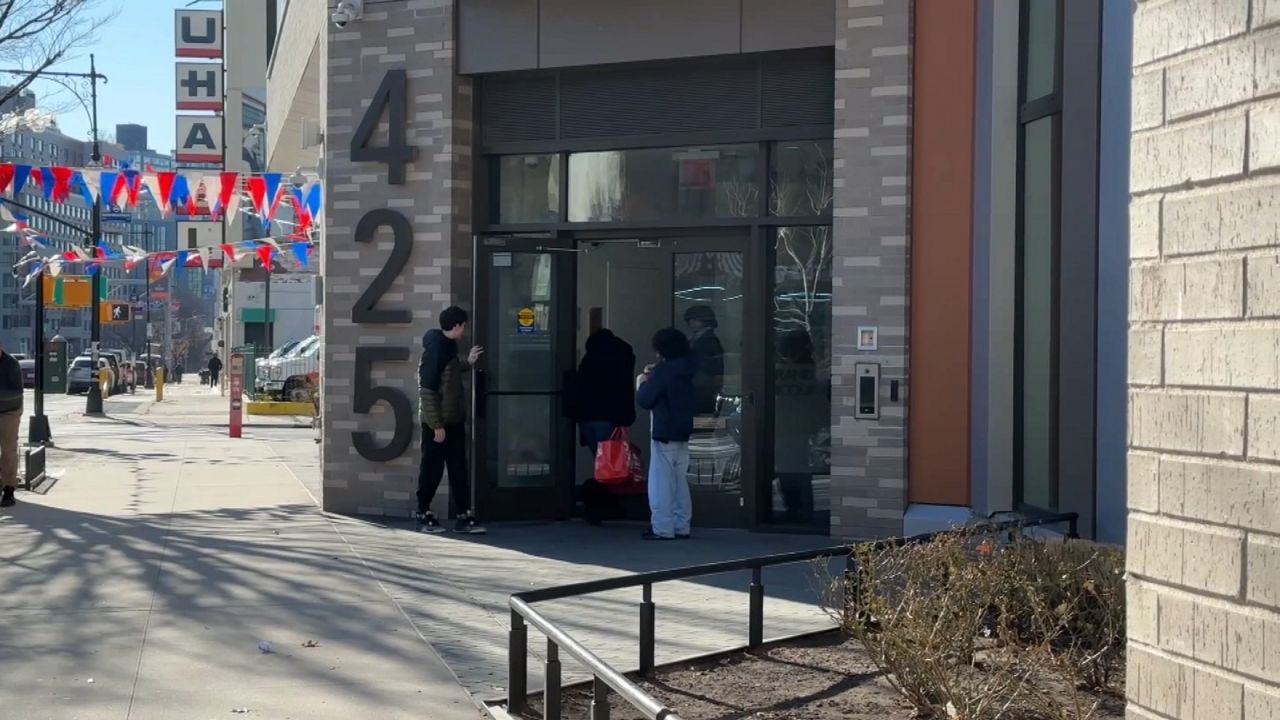
Developments like 425 Grand Concourse in the Bronx exemplify this holistic model. This 277-unit, 100% affordable housing complex isn’t just a place to live; it’s a community designed to foster self-sufficiency. Approximately 10% of its residents are formerly homeless New Yorkers, and all benefit from the integrated services offered within the building.
“We were so, so ecstatic to finally have a home,” shares Chastity Salas, a 30-year-old single mother who moved into 425 Grand Concourse with her five-year-old daughter, Isabella, after experiencing homelessness. “Somewhere that is absolutely gorgeous, affordable.”
But the benefits extend beyond just housing. The building also features a recently opened supermarket, addressing a critical need in what was previously a food desert. Longtime resident Rosalind Poyer notes, “I’m glad the C-Town is next door because that makes it more convenient than taking a bus to go do shopping.” This integration of essential services – food access, healthcare, and even educational opportunities – is proving to be a game-changer.
A Proven Model, Slowly Scaling Up
Thomas Brown, Vice President of Advancement at Trinity Financial, the developer behind 425 Grand Concourse, emphasizes the effectiveness of this integrated approach. “This is one of the models that is proven, that can work,” he states.
However, despite its success, comprehensive developments like 425 Grand Concourse are still relatively rare. Affordable housing advocate Amit Singh Bagga estimates that only around a dozen similar projects are currently in development across New York City. This highlights a critical need for increased investment and streamlined development processes.
“We’re never going to be able to really reduce that shelter population unless we are able to provide actual homes that are deeply affordable for many people who are living in shelter,” explains Bagga, Principal at Public Progress NYC. “Many New Yorkers who are experiencing homelessness are people who work, people who have jobs, people who have kids, but the cost of housing is just so incredibly high.”
Bagga, who advised Mamdani on housing policy and spearheaded the “Yes on Affordable Housing” campaign (which saw four key ballot measures approved by voters in November), stresses the importance of identifying neighborhoods where affordable housing is lacking and proactively utilizing land to create new opportunities.
Building on Existing Momentum: The Adams administration‘s Progress
The incoming Mamdani administration isn’t starting from scratch. The current Adams administration reports significant progress in financing housing for formerly homeless New Yorkers,with nearly 13,000 units financed as 2022,roughly half of which are designated as supportive housing. This demonstrates a growing commitment to addressing the crisis, and provides a foundation for the incoming administration to build upon.
Looking Ahead: A Focus on community and Stability
The shift towards housing-first isn’t just about bricks and mortar; it’s about recognizing the inherent dignity of every individual and providing the support they need to thrive. For residents like Rosalind Poyer, the stability offered by these developments allows families to focus on what truly matters. “The meaning of christmas is love, sharing and just being together,” she reflects.
The challenge now lies in scaling up these triumphant models,fostering collaboration between city officials,developers,and community organizations