
Uganda’s Election Climate Marred by Allegations of Police Brutality & past Parallels
The ongoing election campaigns in Uganda are increasingly shadowed by serious allegations of police brutality against opposition supporters, prompting condemnation from prominent figures including the Prime Minister of the Buganda Kingdom, Charles Peter Mayiga, and the Uganda Law Society (ULS). These incidents raise concerns about the fairness of the electoral process and echo troubling historical precedents of state-sponsored repression.
What is the nature of the allegations against Ugandan police?
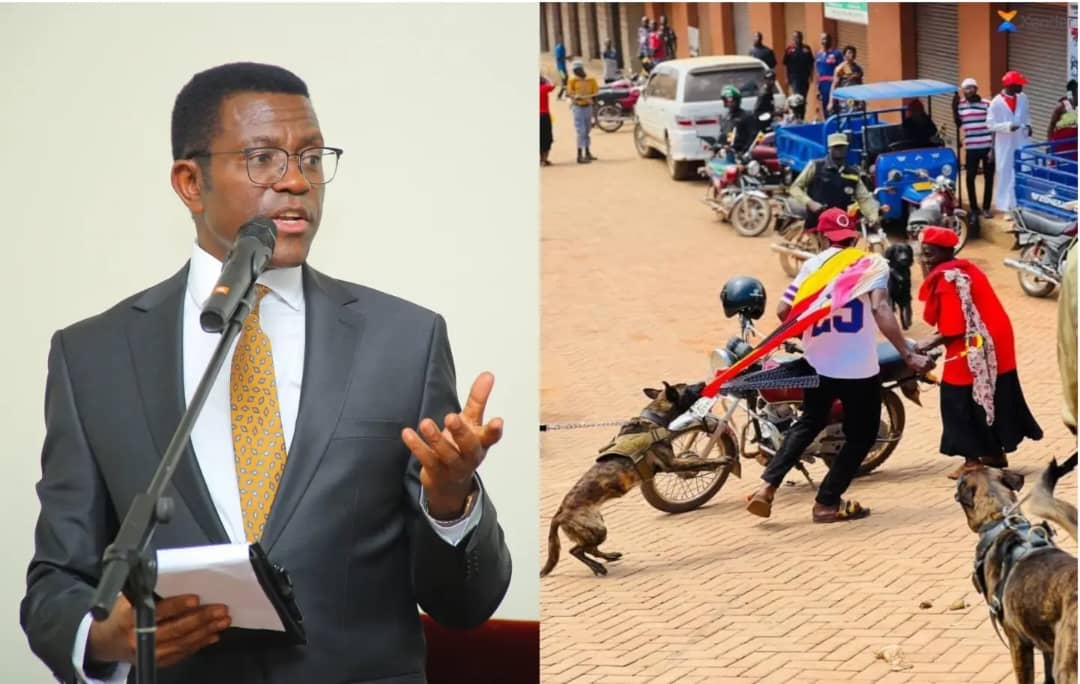
Reports detail the use of excessive force by police against supporters of opposition candidates, including the deployment of tear gas, live bullets, and, controversially, police dogs. A recent incident in Kawempe saw security forces utilize these tactics during crowd control, leading to forceful arrests and injuries among National Unity Platform (NUP) supporters. These actions are fueling accusations of partisan policing and a deliberate attempt to stifle political dissent.
Why is the Buganda Kingdom Prime Minister speaking out?
Charles Peter Mayiga, the Katikkiro (Prime Minister) of Buganda, publicly urged security agencies to maintain neutrality and operate within the bounds of the law during the campaign period. He specifically criticized the blanket ban on processions, arguing that it’s unrealistic to expect supporters to remain entirely passive during political rallies.Mayiga emphasized the energetic nature of political gatherings, particularly within the context of Uganda’s transportation landscape dominated by boda boda motorcycles, and called for a more measured approach that prioritizes safety without suppressing legitimate expression. His statement, delivered via X (formerly Twitter), powerfully concluded wiht a stark warning about the damage to Uganda’s international image: ”Bullets; tear gas; dogs! These make the Pearl of Africa bleed!”
What historical context is being drawn upon to critique the use of police dogs?
The ULS Vice President, Asiimwe anthony, delivered a scathing critique of the police’s deployment of dogs, drawing direct parallels to the oppressive tactics employed during apartheid in South africa and the U.S. Civil Rights Movement. He highlighted how, in both instances, police dogs were deliberately used as tools of terror and racial subjugation, inflicting physical harm and psychological trauma on protestors.Asiimwe argued that the current use of police dogs in Uganda isn’t accidental, but rather a continuation of a historical pattern where animals are weaponized to instill fear and enforce authoritarian control. This historical framing underscores the severity of the situation and positions the current actions within a broader context of human rights abuses.
How is the Uganda Law Society responding to the alleged brutality?
The ULS has issued a strong call for an immediate cessation of the use of police dogs in political rallies and campaigns. They are demanding the unconditional release of those arbitrarily arrested in Kawempe and a strict adherence to constitutional policing standards that respect human dignity and the political rights of all Ugandans. The ULS’s statement represents a critically important challenge to the police’s actions and a firm defense of civil liberties.
What are the potential implications of this police conduct for the election’s legitimacy?
The allegations of police brutality and the perceived bias in law enforcement raise serious questions about the fairness and credibility of the upcoming elections. Continued suppression of opposition supporters could lead to increased unrest, erode public trust in the electoral process, and potentially delegitimize the outcome. International observers are likely to scrutinize these developments closely.
Beyond immediate condemnation, what systemic changes are needed?
Addressing this issue requires more than just condemning individual incidents. A comprehensive review of police training and protocols is crucial, focusing on de-escalation techniques, respect for human rights, and the importance of political neutrality. Autonomous investigations into allegations of misconduct are essential to ensure accountability. Furthermore, fostering a culture of respect for the rule of law and protecting the right to peaceful assembly are fundamental to a healthy democracy.
What recourse do citizens have if they experience police brutality during the election period?
Ugandans who believe they have been victims of police brutality are encouraged to document their experiences - including photos, videos, and medical reports - and report them to relevant authorities, such as the Uganda Human Rights Commission. Legal portrayal is also vital. Organizations like the ULS may offer assistance, and citizens can seek redress through the courts. Though, ensuring genuine accountability remains a significant challenge.



![Coach Outlet Sale: Bags & Jewelry Under $100 | [Month, Year]](https://i0.wp.com/akns-images.eonline.com/eol_images/Entire_Site/20251229/edf8813d-8e36-410a-b31c-82d62b15e065_1767030026.jpg?resize=150%2C100&ssl=1 "Coach Outlet Sale: Bags & Jewelry Under $100 | [Month, Year]")
