
Bulgaria Withdraws 2026 Budget Plan Amidst Widespread Protests: what You Need to Know
The Bulgarian government has made a significant U-turn, withdrawing its draft state budget for 2026 following days of escalating public protests. This decision, announced by the ruling coalition’s Council for Joint Governance, signals a critical moment for the nation as it prepares to join the Eurozone. But what exactly sparked this upheaval, and what does it mean for Bulgaria’s economic future?
A Nation Voices Its Concerns
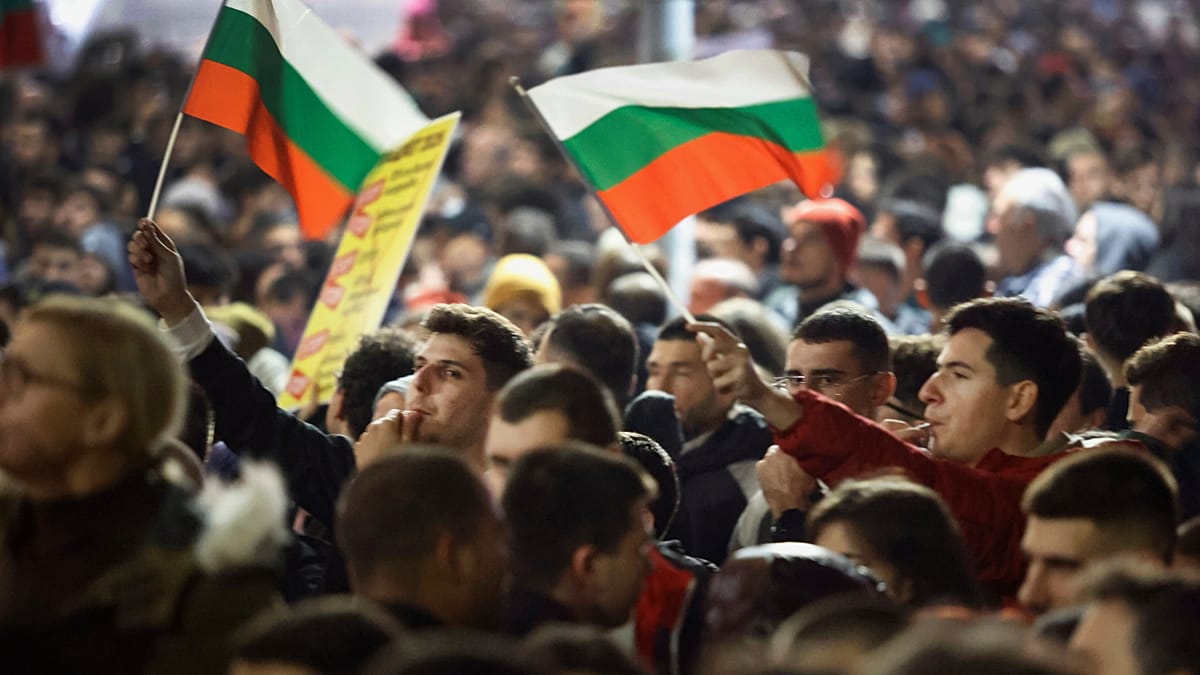
Mass demonstrations erupted across Bulgaria in response to the proposed budget, with citizens expressing deep anxieties about its potential economic consequences. Protesters specifically voiced concerns over planned increases in social security contributions and a doubling of the dividend tax. These measures, they argued, would disproportionately impact both individuals and businesses.
The protests weren’t simply spontaneous outbursts. They reflected a growing unease fueled by warnings from economists who highlighted the significant risks embedded within the draft budget. The plan, which proposed a record level of government spending - nearly 46% of GDP – relied heavily on increased taxes and a considerable rise in public debt.
On Wednesday, tensions reached a boiling point as protesters formed a human chain around parliament and attempted to obstruct lawmakers. Unfortunately, the situation escalated, with reports of demonstrators throwing bottles and firecrackers at police, resulting in injuries to three officers.
Government response & Calls for Dialog
Prime Minister Rosen Zhelyazkov acknowledged the gravity of the situation,stating the government will now prioritize renewed dialogue with employers and trade unions. He emphasized the need to prioritize national and societal interests over purely political considerations. This move represents a clear attempt to de-escalate tensions and rebuild trust.
Zhelyazkov specifically called for the restoration of communication with business and trade union organizations,many of whom had previously boycotted meetings of the joint governance council. The aim is to forge a consensus-based approach to fiscal policy.
Political Fallout & What happens Next?
The withdrawal of the budget has triggered reactions across the political spectrum. Boyko Borissov, former Prime Minister and leader of GERB, cautioned that failure to adopt a new budget by the end of December would necessitate operating under this year’s budget for the upcoming year.
Atanas Atanasov, representing the opposition coalition We Continue the Change - Democratic Bulgaria (PP-DB), urged the governing parties and their supporters to carefully reconsider the contentious elements of the proposed budget. This highlights the potential for constructive engagement, but also the deep divisions that remain.
What are your biggest concerns about bulgaria’s economic outlook? Share your thoughts in the comments below!
Evergreen Insights: Bulgaria’s Path to Eurozone Membership
Bulgaria’s ambition to join the Eurozone is a complex undertaking with far-reaching implications. The country has been working towards meeting the convergence criteria - including price stability, sound public finances, and exchange rate stability - required for membership.
However, the recent budget crisis underscores the challenges involved. Maintaining fiscal discipline and fostering economic competitiveness are crucial for a successful transition.Successfully navigating these challenges will not only benefit Bulgaria but also contribute to the overall stability of the Eurozone.
Do you think Bulgaria is adequately prepared for Eurozone membership? Let us know your opinion!
Frequently Asked Questions About the bulgarian Budget Crisis
1.What is the primary keyword? The primary keyword is “Bulgarian budget.”
Q: What was the main issue with the proposed Bulgarian budget for 2026?
A: The main issue was the significant increase in government spending, financed by higher taxes on businesses and workers, and a rise in public debt, sparking concerns about its economic impact.
Q: Why did the Bulgarian government withdraw the draft budget?
A: The government withdrew the draft budget due to widespread public protests and social tension,recognizing the need to address concerns raised by citizens,employers,and trade unions.
Q: What impact will the budget withdrawal have on Bulgaria’s Eurozone aspirations?
A: The withdrawal could potentially delay Bulgaria’s Eurozone entry if it hinders the country’s ability to meet the necessary convergence criteria.
Q: Who are the key political players involved in this situation?
A: Key players include Prime Minister Rosen Zhelyazkov, former Prime Minister Boyko Borissov (GERB), and Atanas Atanasov (We Continue the Change – Democratic Bulgaria).
**Q: What are the potential consequences of operating under the 2


