
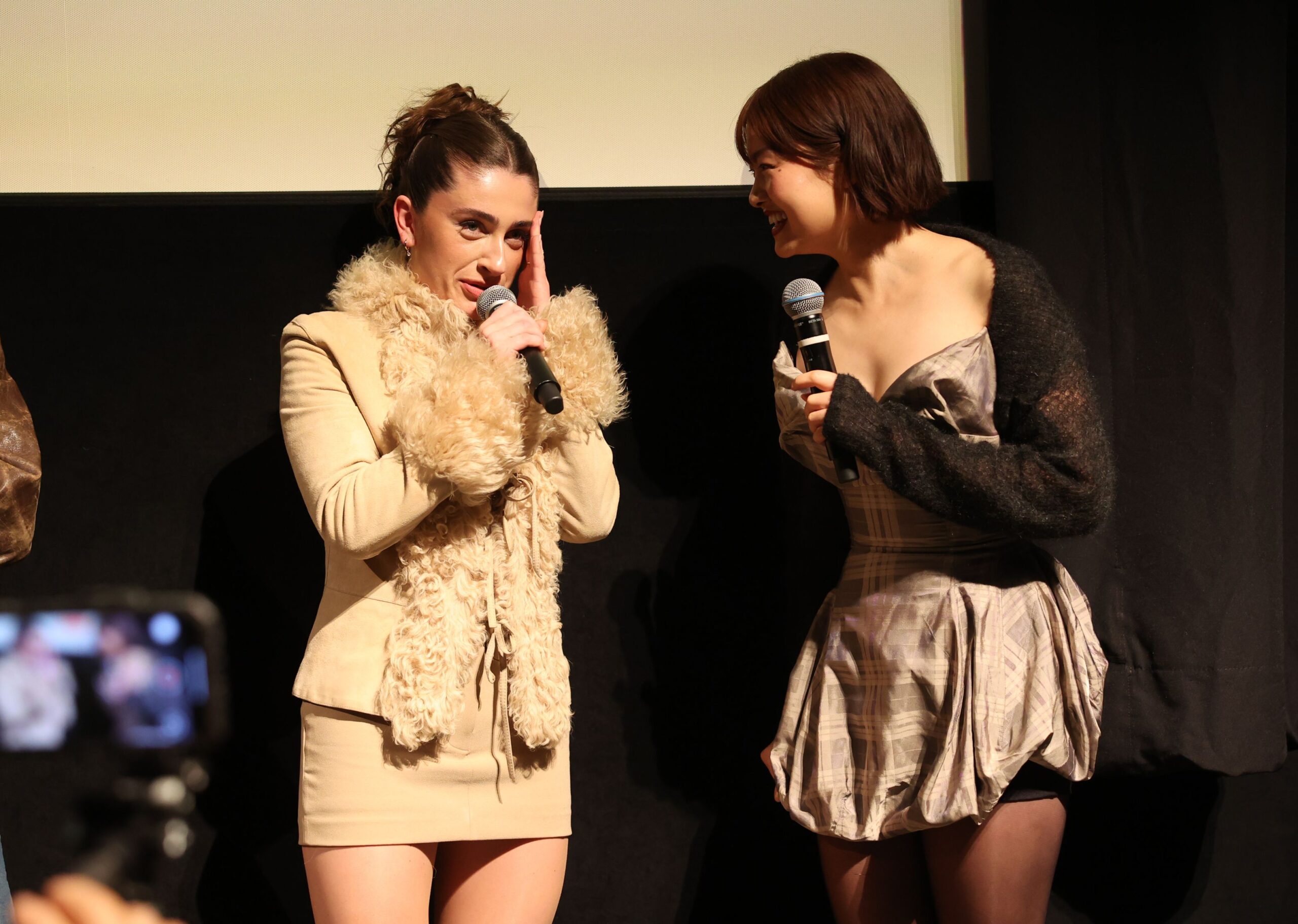
The intersection of digital intimacy and raw human vulnerability is a precarious space, one that filmmaker Katarina Zhu explores with unflinching honesty in her feature directorial debut, Bunnylovr. The film serves as a poignant examination of how the modern era’s mediated connections can both shield and expose the individuals seeking genuine belonging.
Premiering in the U.S. Dramatic Competition at the 2025 Sundance Film Festival on January 25, 2025 Bunnylovr tells the story of Rebecca, a drifting Chinese-American cam girl who finds herself caught between two diverging emotional poles: an increasingly toxic relationship with a devoted online client and a fragile, bittersweet reconciliation with her estranged, terminally ill father.
Through a nuanced lens, Zhu navigates the complexities of sex work and familial fragmentation, grounding the narrative in a world where intimacy is often commodified. The film, which runs for 86 minutes, offers a sensitive portrait of a woman struggling to maintain her emotional and physical safety while yearning for a connection that transcends a computer screen.
A Narrative of Digital Dissonance and Family Ties
At its core, Bunnylovr is about the dissonance between the personas we project online and the often awkward, painful realities of physical existence. Rebecca, played by Zhu herself, uses her online presence to find a sense of community and agency that eludes her in her daily life. However, this digital sanctuary becomes a source of instability as her relationship with John, a mysterious and unsettling client played by Austin Amelio, spirals into toxicity.
Parallel to this digital struggle is Rebecca’s unexpected reunion with her father, William, portrayed by Perry Yung. The relationship is fraught with history; the two are estranged, and William’s terminal illness leaves them with very little time to repair their bond before he is lost. This juxtaposition—the transactional nature of Rebecca’s professional life versus the urgent, unpaid debt of familial love—drives the film’s emotional engine.
Adding a layer of tenderness to the narrative is a live white bunny named Milk, a gift from a stranger online that symbolizes the strange, displaced ways the characters attempt to find comfort and affection in a fragmented social world.
From Personal Heartbreak to Cinematic Vision
The genesis of Bunnylovr is deeply personal. Zhu has noted that the project began following a demanding breakup in 2020, sparking an interest in the specific psychological state of being heartbroken and the subsequent willingness to engage in behaviors one might normally avoid to numb the pain. This vulnerability became the blueprint for Rebecca’s journey.
the film draws from Zhu’s own life experiences regarding parental estrangement. Having not spoken to her own father for 15 years, Zhu used the screenplay to explore the “what if” scenario of a chance encounter or a final opportunity for reconciliation. By weaving these personal threads into the script, Zhu transforms a story about digital connection into a broader meditation on grief and the search for agency.
Collaborative Chemistry and Casting
One of the film’s most vibrant elements is the relationship between Rebecca and her best friend, Bella. Played by Rachel Sennott, Bella provides a grounded, often abrasively funny counterpoint to Rebecca’s drifting nature. The chemistry on screen is a reflection of real-life history, as Zhu and Sennott have been acting together since they were 18 years old.
Sennott, who also served as a producer on the project, brings a necessary comedic edge that prevents the film from sinking into total bleakness. This balance of dark comedy and intimate drama allows the film to address heavy themes—such as terminal illness and online exploitation—without losing sight of the hopefulness Zhu intended for the final cut.
Production and Path to the Big Screen
The production of Bunnylovr was centered in New York City, with filming officially wrapping in October 2024 Bunnylovr. Following its critical reception at Sundance, the film attracted the attention of distributors looking for bold, independent voices.

In February 2026, Utopia acquired the North American theatrical-distribution rights to the film Bunnylovr. This partnership ensured that Zhu’s vision reached a wider audience beyond the festival circuit, leading to its official United States theatrical release on April 10, 2026.
Key Film Details
| Category | Detail |
|---|---|
| Director/Writer/Star | Katarina Zhu |
| Premiere Date | January 25, 2025 (Sundance) |
| US Release Date | April 10, 2026 |
| Distributor | Utopia |
| Running Time | 86 Minutes |
| Filming Location | New York City |
As Bunnylovr makes its way through theaters, it stands as a testament to the power of independent filmmaking to tackle uncomfortable subjects with grace and vulnerability. Katarina Zhu has not only made a daring debut but has provided a mirror to a generation navigating the complex, often contradictory nature of love and connection in the digital age.
With the film now available to the general public, audiences can witness this intimate portrait of resilience and the enduring hope for reconciliation. We invite you to share your thoughts on the film in the comments below or join the conversation on social media.