
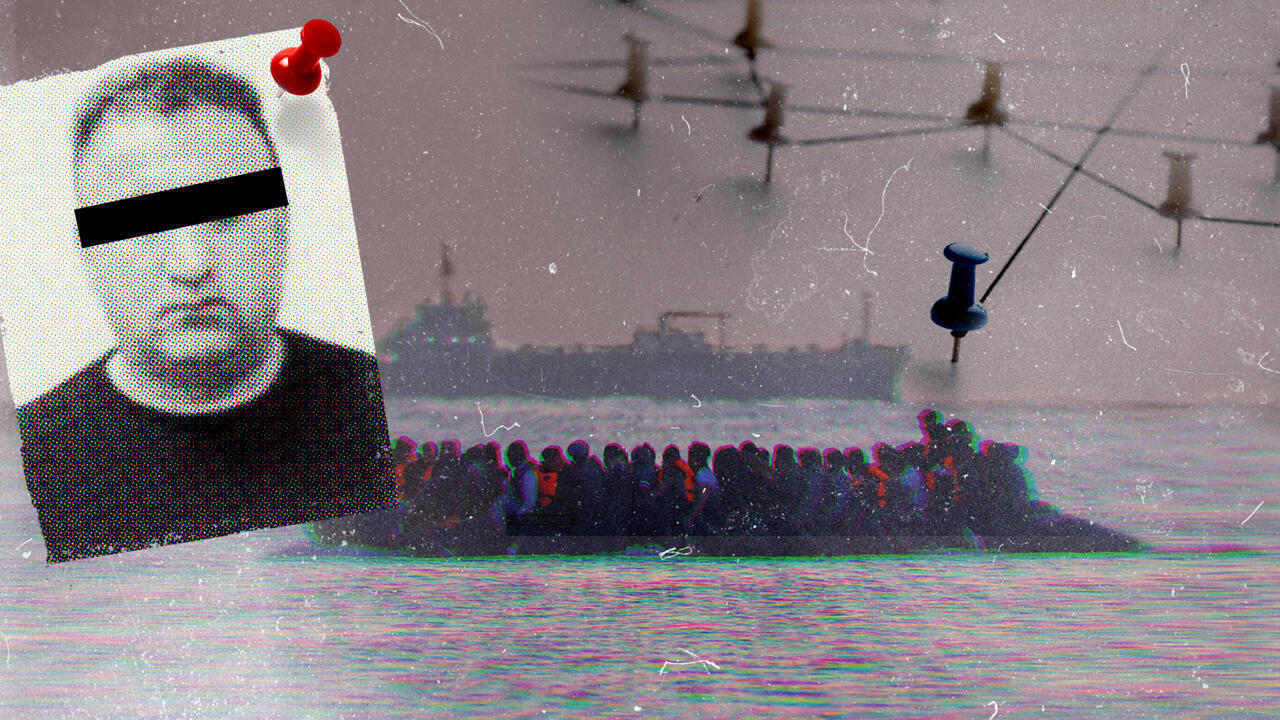
The Resurgence of Calais Smuggling: Inside the Criminal Networks Profiting from Desperation
The English Channel remains a tragically lucrative route for criminal organizations exploiting the desperation of migrants. Despite increased law enforcement efforts, the networks facilitating these dangerous crossings are not only surviving but thriving. This inquiry delves into the recent crackdown on one key figure, “The Great haji,” and the escalating violence within the smuggling ecosystem, revealing just how profitable - and ruthless – this trade has become.
The “Great Haji” and the Ever-Growing problem
For years, the so-called “Great Haji” – a previously convicted smuggler - presented a façade of normalcy. He maintained a garden and claimed employment in construction. However, intelligence suggests he never truly abandoned his criminal ties to the Calais region, a critical launch point for crossings to the UK.
The scale of the problem is stark. Small boat trafficking has surged in recent years,with over 45,000 people attempting the Channel crossing in 2022 alone. This isn’t just a humanitarian crisis; it’s a booming criminal enterprise. Xavier Delrieu, head of the French police unit OLTIM, estimates smugglers can earn upwards of €100,000 per boat. Multiply that by the hundreds of crossings each year, and the financial incentive becomes clear.
In fact, seasoned investigators like pappo contend that even drug trafficking pales in comparison to the potential earnings from migrant smuggling.
A Return to Violence: Idrees G.’s Ruthless Comeback
The arrest of Idrees G.in 2022 offered a temporary disruption, but it didn’t dismantle the network. He quickly began plotting his return, recognizing a more competitive – and chaotic – landscape.
“Everyone is becoming a smuggler, it’s unbelievable,” Idrees G. lamented in a tapped phone conversation in April 2023. His plan wasn’t about innovation or efficiency; it was about intimidation and control. It involved:
* Sabotaging rival boats: Disrupting competitors’ operations.
* Assaulting captains: Instilling fear and asserting dominance.
* Targeted shootings: Sending a clear message to other smugglers.
He chillingly stated, ”If I need to kill someone, I’ll do it.” Idrees G. acquired a firearm and partnered with Tariq H., a Kurdish trafficker with a history of violent crime and multiple prison sentences.
Between May and July 2023, the pair conducted a series of “punitive raids” against rival groups in Calais. intercepted communications revealed Idrees G. boasting about “severely disfiguring” a competitor. this escalation of violence proved effective. Investigators noted his strategy allowed him to operate more discreetly, retreating into the background during actual crossings.
Arrest and Continued Defiance
On August 16, 2023, authorities moved against Idrees G. and Tariq H., formally charging them with manslaughter and aiding illegal immigration as part of an organized criminal group.
Despite the charges, both men continued to flaunt their involvement from prison. Tariq H. brazenly stated, “You just need to go to the ‘jungle’, you can make between 6,000 and 7,000 euros every month by selling the travellers.”
Idrees G.’s lawyer, Franck cecen, maintains his client denies all allegations. Tariq H.’s legal counsel declined to comment.
Both men are scheduled to appear before the Court of Paris on November 4th, where their actions will face judicial scrutiny.
What This Means for You and the Future of Channel Crossings
This case highlights several critical points:
* The profitability of migrant smuggling fuels escalating violence. The financial rewards incentivize increasingly ruthless tactics.
* Disrupting individual networks isn’t enough. The underlying demand and the ease of entry into the smuggling trade mean new players quickly emerge.
* International cooperation is essential. The problem transcends national borders, requiring coordinated law enforcement efforts.
The situation demands a multifaceted approach. Beyond law enforcement, addressing the root causes of migration and providing safe, legal pathways for those seeking refuge are crucial to dismantling these criminal networks and preventing further tragedies


