
The Rise of “Booster Insurance”: Protecting NIL Investments in College Athletics
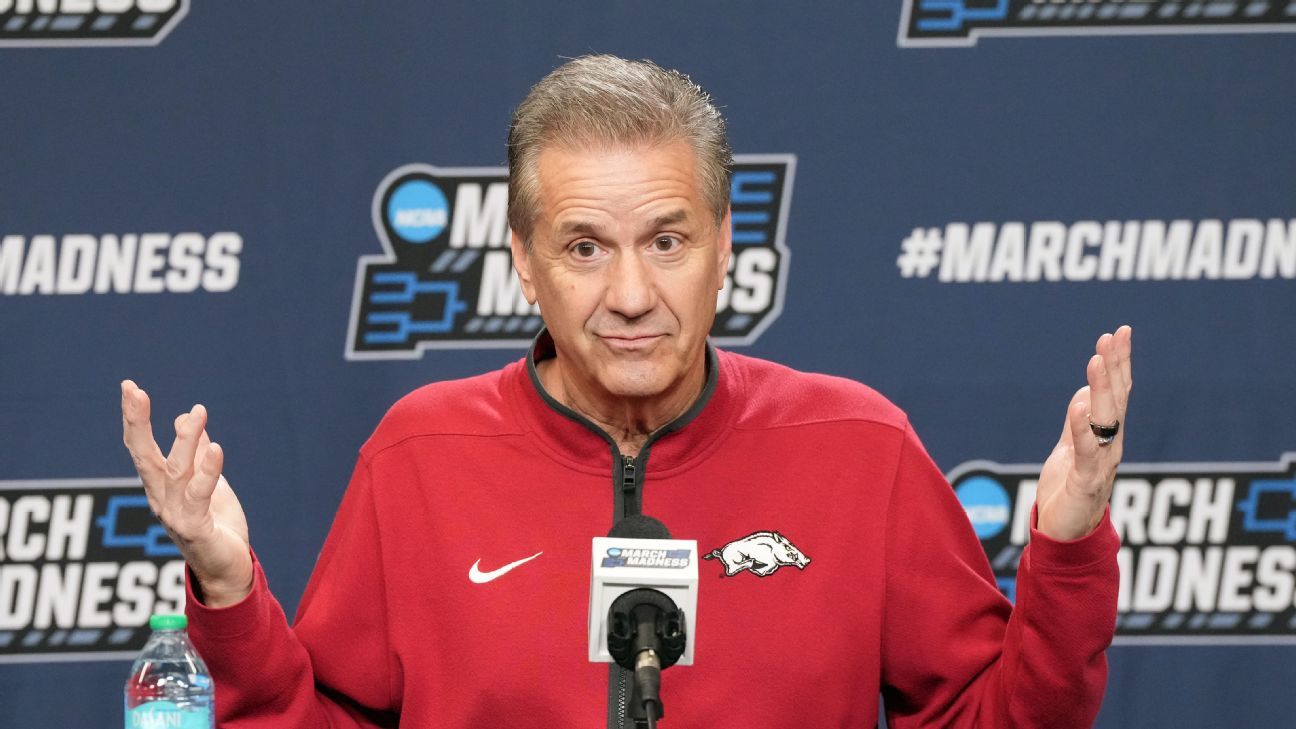
The landscape of college sports is undergoing a seismic shift. The advent of Name, Image, and Likeness (NIL) deals and revenue sharing has unlocked unprecedented financial opportunities for athletes, but also introduced a new layer of risk for the individuals and organizations funding these initiatives. A growing concern – “booster fatigue,” as Kentucky and now Arkansas coach John Calipari terms it – is prompting a novel solution: insurance on NIL investments. This isn’t just a trend; it’s a pragmatic response to the realities of a rapidly evolving financial ecosystem, and a sign of maturing practices within the world of college athletics.
The Problem: Risk and Reluctance in the NIL Era
For decades,boosters and donors fueled college athletic programs. Now,with the ability to directly compensate athletes,the stakes are higher,and the potential for financial loss looms larger. No one willingly throws money away, especially considerable sums tied to the performance and availability of student-athletes. The fear of a season-ending injury wiping out a significant investment was a palpable concern, creating hesitation amongst potential donors and threatening the sustainability of NIL collectives.
As steve Stelmach, partner at 32 Group, succinctly puts it, “I can’t believe every university and every collective doesn’t have this in place.” The sheer volume of funds at play – estimated to exceed $2 billion across Power Conference teams in direct revenue sharing and NIL/collective payouts – underscores the urgent need for risk mitigation.
Introducing “Booster Insurance”: How it Works
The solution, pioneered by 32 Group in partnership with Lloyd’s of London, is remarkably straightforward: insurance policies protecting NIL and revenue-sharing agreements against athlete injury. Here’s how it functions:
* Premium: Typically, a 3% premium is charged on the total value of the NIL/revenue share deal. For a $1 million agreement, this equates to a $30,000 insurance cost.
* Coverage Window: Policies are structured with tiered payouts based on the timing of an injury.
* Before January 15th: Full reimbursement of the investment if a season-ending injury occurs.
* January 15th – February 15th: 50% reimbursement.
* Payout: The insurance policy reimburses the entity providing the funds (school, collective, or business), allowing them to reallocate resources to other athletes or future seasons. Crucially, the athlete continues to receive their contracted compensation irrespective of injury.
This isn’t about denying athletes their earnings; it’s about protecting the financial commitment of those supporting them. It’s a simple,yet powerful,insurance play designed to foster confidence and encourage continued investment.
Why Now? The evolution of College Sports Finance
The emergence of “booster insurance” isn’t a coincidence. It’s a direct outcome of the rapid, frequently enough chaotic, development of NIL and revenue sharing. As Stelmach observes, “We are building the bus as we are driving down the highway.” The industry is evolving at breakneck speed, and traditional risk management strategies haven’t kept pace.
this innovative approach reflects a growing understanding that NIL isn’t simply about marketing or branding; it’s a legitimate business transaction. Donors aren’t simply making charitable contributions; they’re making investments, and they expect the same level of protection afforded to any other business venture.
Calipari’s Vision: Respecting the Investor
John Calipari, a long-time innovator in college basketball, recognized the need for this type of protection early on. He isn’t affiliated with 32 Group,but he’s a customer,proactively insuring his Arkansas team’s NIL deals. His rationale is compelling:
“They say, ‘Thank you,'” Calipari reports, referring to his boosters. “They were already thinking about it. People who are rich enough to be a part of this are rich for a reason. they don’t throw their money away. This is a way to protect the donor.”
calipari’s foresight highlights a crucial point: sustaining NIL programs requires a reciprocal relationship. It’s not enough to simply solicit donations; programs must demonstrate respect for the investors by actively mitigating risk and safeguarding their contributions. He anticipates that as the initial excitement surrounding NIL fades, maintaining donor engagement will become increasingly challenging, making risk mitigation even more critical.
Beyond Arkansas: The Future of NIL Insurance
32 Group isn’t stopping with Arkansas. The company is already





