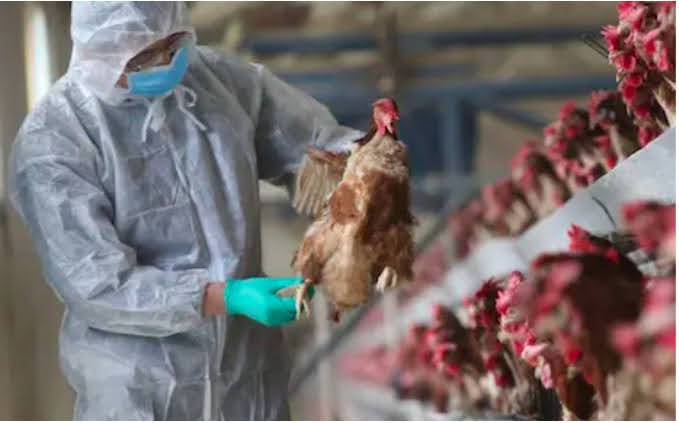
Cambodia Reports First Human Case of Avian Influenza H5N1 in 2026
A 30-year-old man from the Kampot province of Cambodia has tested positive for the H5N1 avian influenza virus, marking the country’s first confirmed human case of the year, health officials announced on February 14, 2026. The patient has since fully recovered and been discharged from hospital, according to reports. This case underscores the ongoing risk of zoonotic disease transmission and the importance of continued surveillance, particularly in regions where avian influenza is endemic. The incident highlights the need for vigilance regarding potential outbreaks and the implementation of preventative measures to protect public health.
The emergence of this case comes as global health authorities continue to monitor the spread of H5N1, a virus that primarily affects birds but can, on rare occasions, infect humans. While human infections are uncommon, they can be severe, and the potential for the virus to mutate and become more easily transmissible remains a concern. The World Health Organization (WHO) closely tracks avian influenza outbreaks worldwide and provides guidance to countries on surveillance, prevention, and control measures. The Cambodian Ministry of Health is working to determine the source of the infection and prevent further spread within the community.
Patient Details and Initial Investigation
The patient, a resident of Meanrith village in Kampot province, began experiencing symptoms of fever, cough, and abdominal pain, prompting medical evaluation. Following testing at the National Institute of Public Health, he was confirmed to have contracted the H5N1 virus. He received intensive care and was able to leave the hospital on February 14th, demonstrating the effectiveness of prompt medical intervention. Le Petit Journal reports that the patient’s recovery is a positive sign, but emphasizes the need for continued monitoring.
Initial investigations by health authorities revealed the presence of dead chickens at the patient’s home. Crucially, these poultry had been consumed three days prior to the onset of the patient’s symptoms, suggesting a potential link between the infected birds and the human case. This finding reinforces the importance of safe food handling practices and avoiding contact with potentially infected poultry. The Ministry of Health is conducting further investigations to pinpoint the exact origin of the infection and assess the extent of potential exposure within the local community.
Preventative Measures and Contact Tracing
In response to the confirmed case, Cambodian health officials have initiated a comprehensive contact tracing effort to identify individuals who may have been in close contact with the patient. Those identified as close contacts have been administered oseltamivir, an antiviral medication, as a preventative measure. This proactive approach aims to minimize the risk of further transmission and contain any potential outbreak. Mesvaccins.net reports that this is the 36th case of H5N1 reported in Cambodia since February 2023.
The Cambodian Ministry of Health is urging the public to capture precautions to protect themselves from avian influenza. These include avoiding contact with sick or dead poultry, practicing good hygiene, such as frequent handwashing, and thoroughly cooking all poultry and eggs. Public health officials are also emphasizing the importance of reporting any suspected cases of avian influenza in poultry to the relevant authorities. The prompt reporting of suspected cases is crucial for effective surveillance and control efforts.
Understanding H5N1 Avian Influenza
The H5N1 virus is a subtype of the influenza A virus that primarily affects birds. While it rarely infects humans, when it does, the illness can be severe, with a high mortality rate. Transmission to humans typically occurs through close contact with infected birds or their secretions. Symptoms in humans can range from mild, flu-like illness to severe respiratory distress, pneumonia, and even death. The Centers for Disease Control and Prevention (CDC) provides detailed information on avian influenza, including symptoms, transmission, and prevention measures. The CDC website is a valuable resource for staying informed about this evolving public health threat.
The virus is known to circulate primarily among wild aquatic birds and poultry. Outbreaks in poultry can lead to significant economic losses for farmers and can also pose a risk to public health. The virus has the potential to mutate, and scientists are constantly monitoring its genetic evolution to assess the risk of a pandemic. The WHO collaborates with national and international partners to monitor the spread of H5N1 and develop strategies to mitigate the risk of a pandemic.
Cambodia’s History with Avian Influenza
Cambodia has experienced sporadic outbreaks of avian influenza in poultry for many years. The country’s agricultural sector is particularly vulnerable due to the widespread practice of raising poultry in small-scale, backyard farms. These farms often lack the biosecurity measures necessary to prevent the spread of the virus. The Cambodian government has implemented various programs to improve biosecurity and control avian influenza outbreaks, but challenges remain.
The current case serves as a reminder of the ongoing threat posed by avian influenza in Cambodia and the need for sustained vigilance. Health officials are working to strengthen surveillance systems, improve diagnostic capabilities, and enhance public awareness about the risks of avian influenza. The Ministry of Health is also collaborating with international organizations to develop and implement effective control strategies.
Key Takeaways
- Cambodia has reported its first human case of H5N1 avian influenza in 2026, involving a 30-year-old man from Kampot province who has since recovered.
- The patient’s case is linked to the consumption of poultry from a household where chickens had died, highlighting the importance of safe food handling.
- Health authorities are conducting contact tracing and administering antiviral medication to close contacts as a preventative measure.
- The H5N1 virus primarily affects birds but can infect humans, causing severe illness; vigilance and preventative measures are crucial.
The Cambodian Ministry of Health will continue to provide updates on the situation as more information becomes available. The next scheduled update is expected on February 28, 2026, when the results of the expanded contact tracing efforts will be released. We encourage readers to share this information with their networks and to stay informed about avian influenza risks in their communities. Please leave your comments and questions below, and join the conversation.