
cambodian Soldiers Return Home After Months of Captivity, Signaling Thawing Relations with Thailand
The new year dawned with a powerful symbol of hope and reconciliation as eighteen cambodian soldiers, held captive for over five months, were released by Thai authorities.This pivotal moment follows the signing of a ceasefire agreement on December 27th, 2025, marking a significant step towards easing tensions between the two nations.
The soldiers were escorted by the Thai military to the Ban Phakkat border crossing in Chanthaburi province. Importantly, the International Committee of the Red Cross (ICRC) and observers from the Association of Southeast Asian Nations (ASEAN) were present to oversee the transfer. They were then handed over to Cambodian officials at Prum, in the Pailin province, arriving “safe and sound.”
Here’s a breakdown of how the release unfolded:
* Border Handover: The transfer occurred under the watchful eyes of international observers, ensuring a peaceful and clear process.
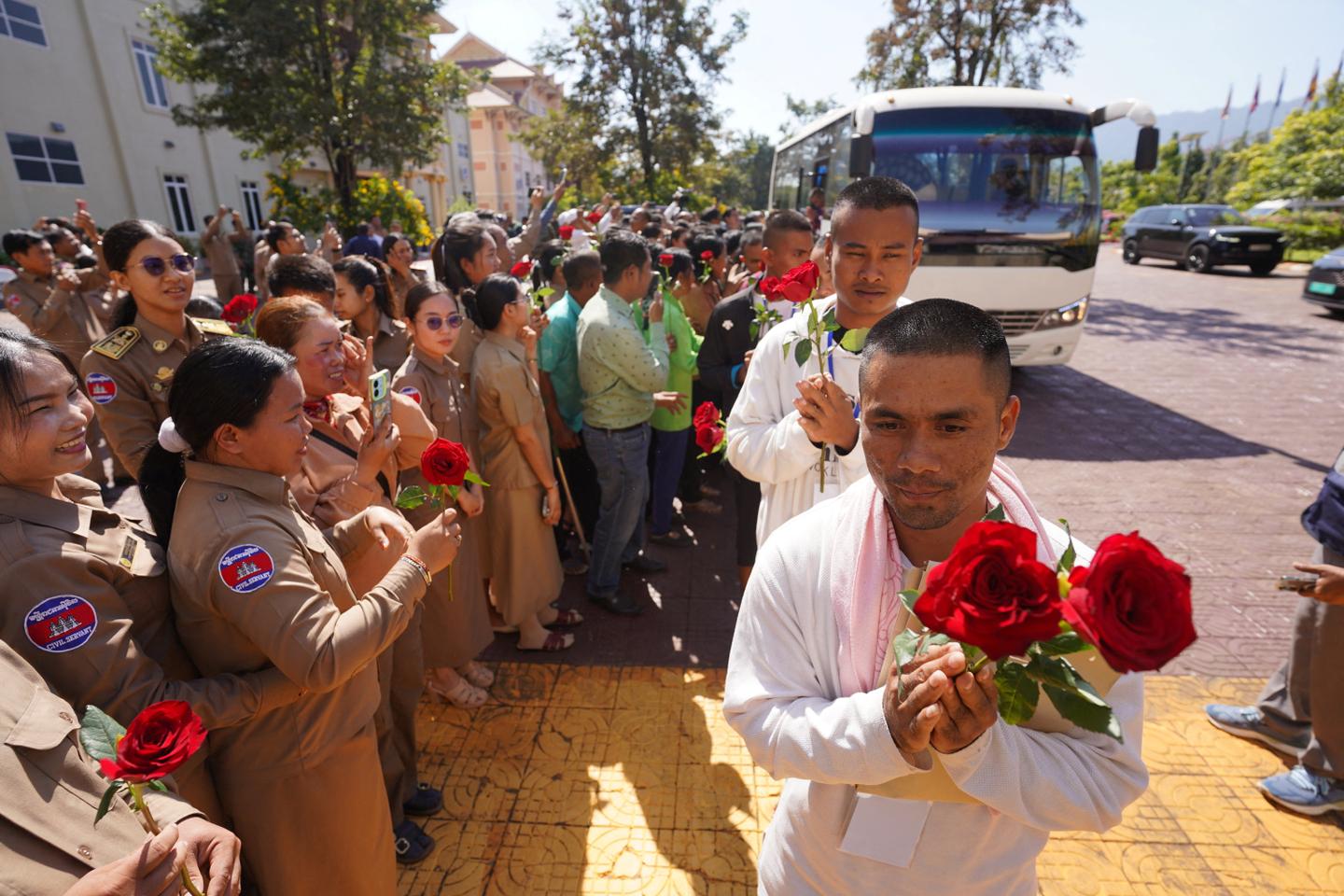
* Emotional Welcome: Upon crossing the border, the soldiers were greeted by a deeply moved crowd, as captured in videos shared by Cambodian state media.
* Swift Transport: The soldiers were quickly transported via helicopter from Battambang province to phnom Penh, the capital city.
You can imagine the relief felt by families who had anxiously awaited this day.Loved ones rushed to meet the returning soldiers, and hundreds of Cambodians took to the streets, waving national flags in a jubilant party of their “heroes,” as described by government officials.
I’ve found that moments like these truly underscore the human cost of conflict and the profound joy of reunion.
The soldiers were then granted an audience with Cambodian Prime Minister Hun Manet. he assured them that their government had remained steadfast in it’s efforts to secure their release, emphasizing they were ”never forgotten.” This gesture speaks volumes about the commitment to supporting those who serve.
This release isn’t just about bringing soldiers home; it’s about building a more stable future for the region. It represents a tangible outcome of diplomatic efforts and a willingness to prioritize peaceful resolutions.It’s a reminder that even amidst complex geopolitical challenges, dialogue and cooperation can pave the way for positive change.


