
The age-old debate over whether money can buy happiness has long been dismissed with a cliché: that the best things in life are free. Although, in an era of stagnant wages and skyrocketing costs of living, that sentiment is increasingly viewed as out of touch with economic reality. For many, the pursuit of financial stability is not about luxury, but about securing the basic requirements for a meaningful life.
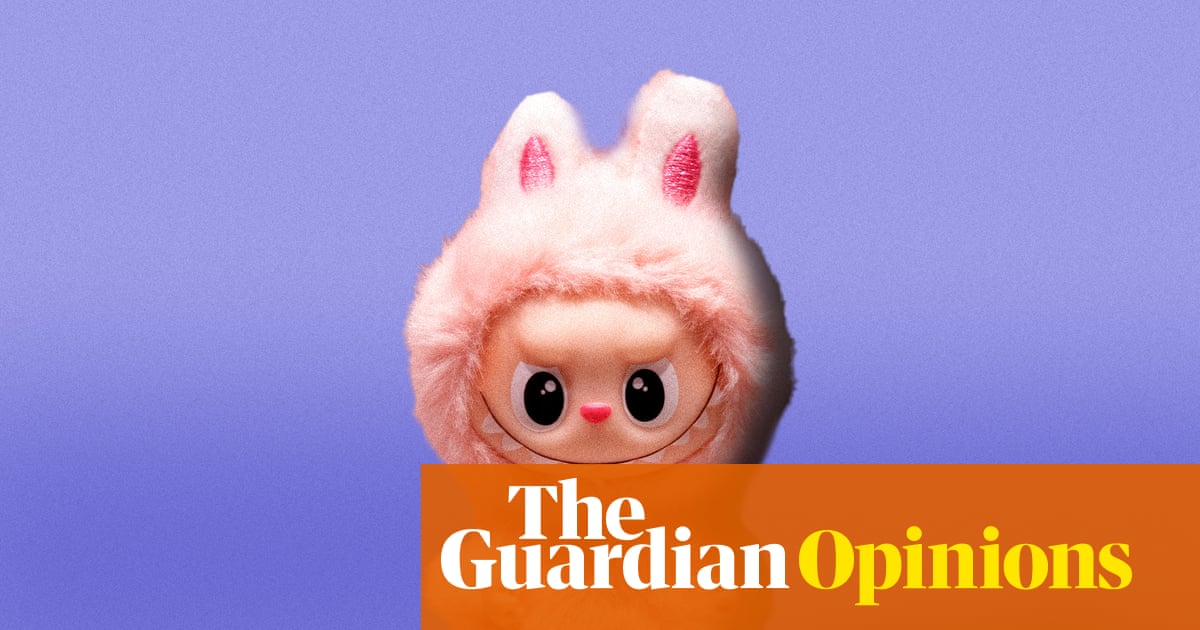
The core of the issue lies in the distinction between spending on material possessions and spending to secure time and stability. While high-end luxury goods—such as Rolex watches or rare Labubu collectibles—may provide a fleeting sense of satisfaction, they rarely address the systemic stressors that impact mental wellbeing. Instead, the ability to buy happiness with money often manifests as the ability to purchase freedom from financial anxiety.
Economic pressures have become visceral for the average consumer. From the shock of finding basic household staples, such as a tube of toothpaste, priced at nearly £7 at a local Sainsbury’s, to the enduring struggle of the rental market, the commodification of basic needs is a growing concern. When the cost of survival rises while income remains flat, the lack of money becomes a direct barrier to happiness.
The Commodification of Time and Stability
One of the most significant arguments in the modern economic landscape is that free time has become a commodified resource. In a capitalist system where wages have stalled for nearly 20 years, the ability to step away from labor to pursue personal interests or spend quality time with loved ones is often tied directly to one’s bank balance. For those struggling to make ends meet, “free time” is not a given, but a luxury that must be funded.
Housing remains the most glaring example of this dynamic. The disparity in happiness between those trapped in a cycle of overpaying rent and those who own their homes outright is stark. Homeownership provides more than just a roof; it provides a level of psychological security and long-term stability that rental agreements cannot offer. Money does not buy a “thing,” but rather the peace of mind that comes with permanent shelter.
the pursuit of mental wellbeing often requires resources. For individuals managing conditions like attention deficit hyperactivity disorder (ADHD), the search for “dopamine” can be a costly endeavor. While quick hits of pleasure come from impulse buys, lasting mental wellbeing is often tied to experiences of novelty and “world-expanding awe”—experiences that frequently require the financial means to travel, explore, or engage in new activities.
Materialism vs. Meaningful Spending
The fallacy of the “money can’t buy happiness” argument often stems from a narrow definition of spending. If wealth is used solely to acquire status symbols, the resulting happiness is typically shallow and fleeting. However, when money is used to eliminate stressors, it serves as a tool for mental health.
- Fleeting Happiness: Derived from luxury goods like Rolexes or rare collectibles.
- Sustained Happiness: Derived from home ownership, financial security, and the ability to buy back one’s time.
- Experiential Happiness: Derived from novelty, awe, and quality time with family and friends.
The reality is that spending quality time with loved ones—often cited as a “free” activity—actually carries a cost. Whether It’s the cost of transportation, a shared meal, or simply the ability to take a day off work, the infrastructure of human connection is increasingly tied to financial capacity.
The Economic Context of Modern Stress
The frustration surrounding the intersection of money and happiness is exacerbated by a global cost-of-living crisis. When basic necessities become luxury items, the psychological toll is significant. The feeling that the “game is rigged” arises when the cost of living outpaces wage growth, making the idea that money is irrelevant to happiness seem offensive to those in precarious financial positions.
This economic environment creates a “void” that cannot be filled by consumerism. For the super-rich, the accumulation of luxury items may not provide fulfillment because the void they face is different from the void faced by those lacking basic security. For the latter, a small amount of financial relief can go a long way in improving overall quality of life and mental health.
Key Takeaways on Wealth and Wellbeing
- Financial stability acts as a foundation for mental health by removing the stress of survival.
- Buying “time” and “experiences” generally yields a higher and more lasting return on happiness than buying “things.”
- The commodification of basic needs means that financial resources are now required to access previously “free” aspects of human existence.
- Home ownership is a primary driver of long-term stability and happiness compared to the volatility of the rental market.
As the global economy continues to evolve, the conversation around wealth must shift from the accumulation of objects to the acquisition of autonomy. The ability to define one’s own time and secure one’s own space remains the most effective way that money can tangibly improve the human experience.
For those seeking more information on economic trends and the cost of living, official government statistics and labor market reports provide the most accurate data on wage stagnation and inflation. Readers are encouraged to monitor official consumer price index (CPI) updates to understand how inflation is impacting the cost of essential goods.
We invite our readers to share their perspectives on the relationship between financial security and mental wellbeing in the comments below.